Regular price
$151.45 USD
Price subject to change. Tap below for current.
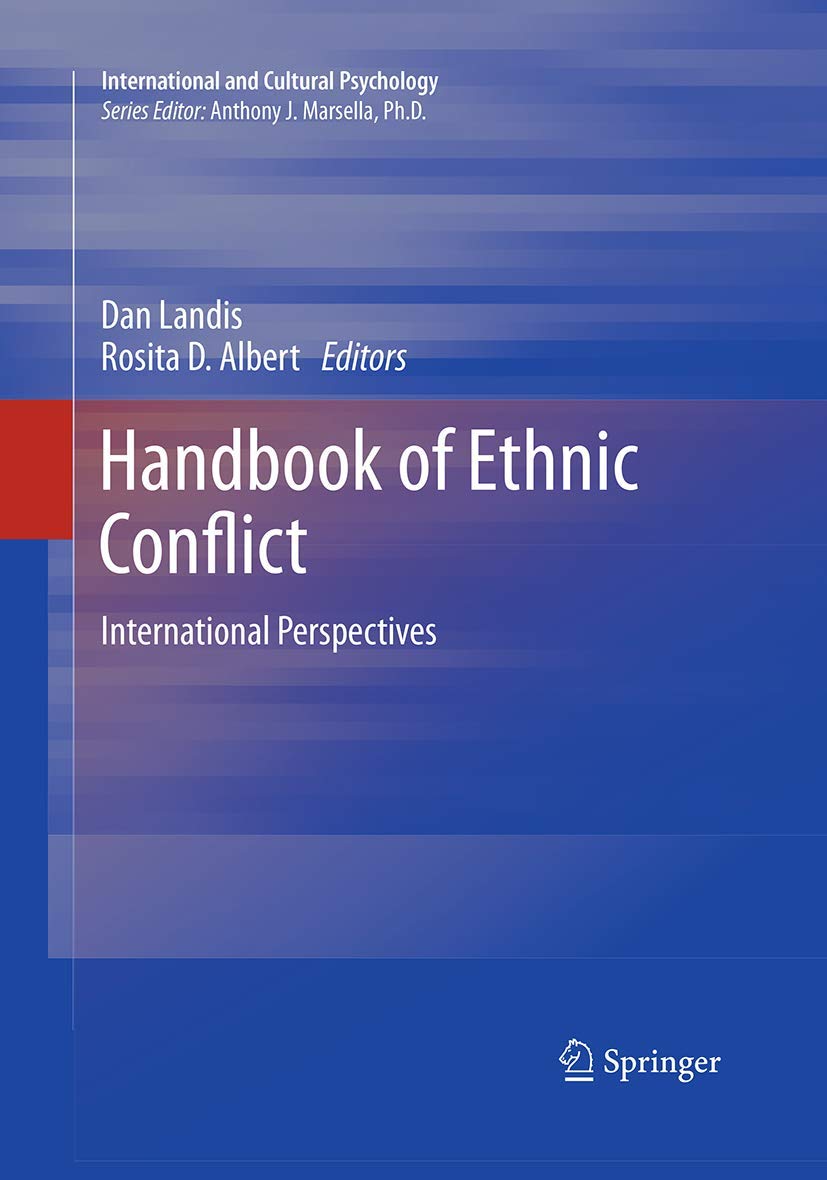
The Handbook of Ethnic Conflict offers a comprehensive exploration of the complexities surrounding ethnic conflicts worldwide. Edited by renowned scholars Dan Landis and Rosita D. Albert, this book serves as a crucial resource for understanding the multifaceted nature of ethnic tensions and their implications on global peace.
With contributions from various experts in the field, the International Perspectives section delves into case studies that highlight the unique challenges faced by different regions. Readers will gain insights into the historical contexts that have shaped these conflicts, making it an essential read for students and professionals alike.
This handbook not only addresses the causes of ethnic conflict but also examines potential resolutions. The authors emphasize the importance of dialogue and understanding in mitigating tensions, making the Handbook of Ethnic Conflict a vital tool for policymakers and peacekeepers.
Each chapter is meticulously researched, providing a wealth of information on the psychological and cultural dimensions of ethnic strife. The International and Cultural Psychology framework used throughout the book allows for a deeper understanding of how identity and culture influence conflict dynamics.
Furthermore, the book discusses the role of globalization in exacerbating or alleviating ethnic tensions. As the world becomes increasingly interconnected, the impact of globalization on ethnic relations is a critical area of study that this handbook addresses effectively.
Readers will appreciate the diverse perspectives presented, as the book includes voices from various cultural backgrounds. This inclusivity enriches the discussion and provides a more holistic view of ethnic conflict. The case studies included are particularly compelling, offering real-world examples that illustrate the theoretical concepts discussed.
In addition to its academic rigor, the Handbook of Ethnic Conflict is accessible to a broader audience. The clear writing style and structured format make it easy to navigate, ensuring that readers can find the information they need quickly.
Overall, this handbook is an indispensable resource for anyone interested in the field of ethnic conflict. Whether you are a student, researcher, or practitioner, the insights and analyses provided will enhance your understanding of this critical issue. The Handbook of Ethnic Conflict is not just a book; it is a gateway to understanding the complexities of human relationships in a diverse world.