

Handbook of Human Centric Visualization - Practical Design
Handbook of Human Centric Visualization - Practical Design
Price subject to change. Tap below for current.
Couldn't load pickup availability
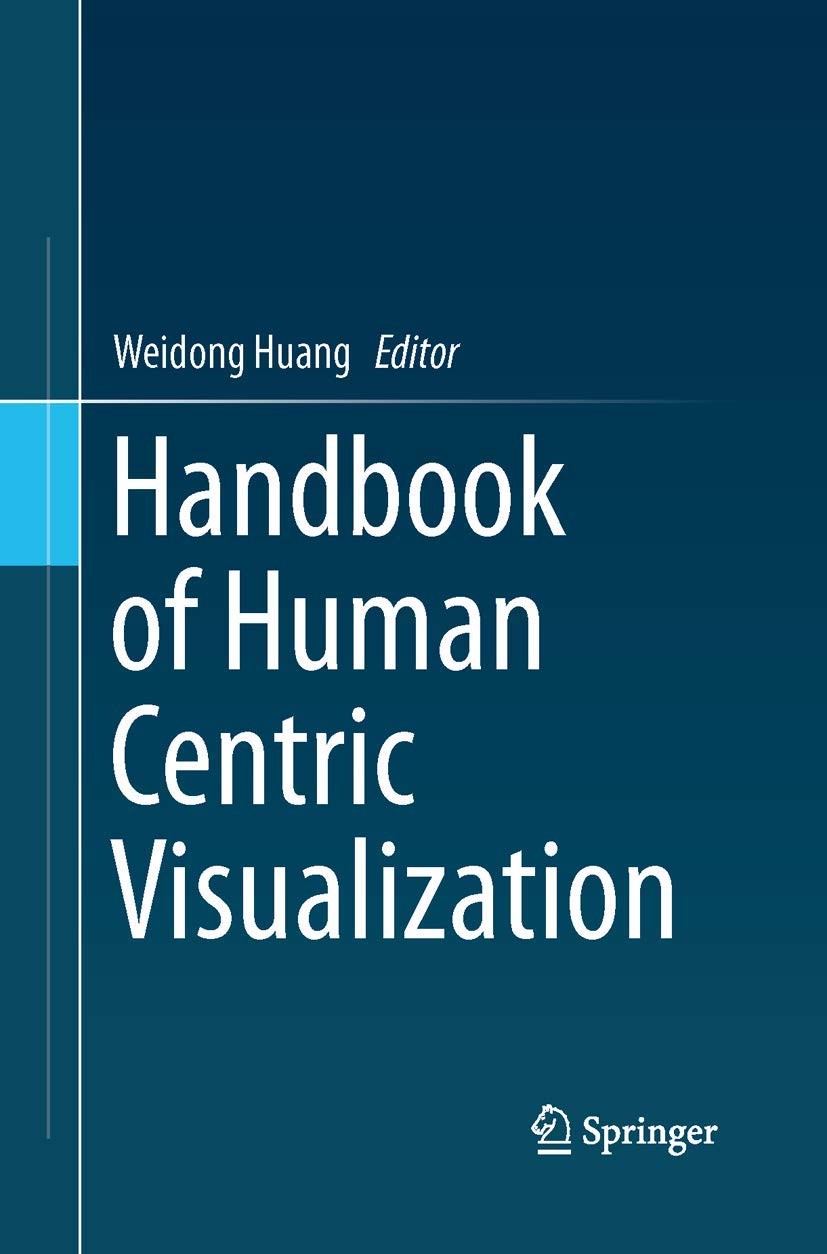
In this review of Handbook of Human Centric Visualization the bottom line is clear: this book is an academic-to-practitioner bridge for anyone who designs or evaluates data displays. It compiles theory, design principles and evaluation methods into a single reference, so the chief reason to buy is its focus on how visual representation affects real human understanding rather than purely aesthetic rendering. Readers looking for grounded methods and case studies will find the book useful as a reference and a teaching supplement.
Key Features
- Comprehensive coverage: Chapters cover visualization theories and design principles to help readers form a conceptual foundation for creating effective visuals.
- Evaluation focus: The book emphasizes evaluation methods and metrics so practitioners can measure how well a visualization conveys the intended information.
- Human factors perspective: Contributions highlight perception and cognition issues so designers can align displays with real user capabilities.
- Interaction methods: Sections on interaction support understanding of how user manipulation changes interpretation and usability of visualizations.
- Case studies: Practical case studies illustrate how theory and evaluation are applied in realistic settings, useful for classroom and project work.
Who It's For
The Handbook of Human Centric Visualization is aimed at graduate students, researchers and practitioners in data visualization, HCI and related fields who need a theoretically informed yet practical resource. It works well as a course text or as a desk reference when planning user studies or designing interfaces where interpretation accuracy matters.
Those seeking a quick-start how-to with step-by-step software tutorials or lightweight introductions for casual readers should look elsewhere; this volume is more valuable for readers prepared to engage with evaluation methods and human factors literature.
Pros & Cons
Pros
- Brings together theories and practical evaluation methods to support evidence-based visualization design.
- Emphasizes human factors and interaction, which improves the likelihood that visuals will be usable by real audiences.
- Includes contributions and case studies from established researchers, offering diverse perspectives and applications.
Cons
- Not a beginner's tutorial; readers without prior visualization background may find some chapters dense.
Specifications
| Title | Handbook of Human Centric Visualization |
| Author / Editor | Weidong Huang |
| Topics Covered | Visualization theories, design principles, evaluation methods and metrics |
| Focus | Human factors, interaction methods and case studies |
| Intended Audience | Researchers, graduate students and practitioners in visualization and HCI |
| Use Cases | Design guidance, evaluation reference, course textbook |
Our Verdict
The Handbook of Human Centric Visualization is a well-structured reference for professionals and students who need rigorous guidance on designing and evaluating data displays. Its emphasis on evaluation and human factors makes it good value for projects that require measurable usability and interpretability outcomes.
Frequently Asked Questions
Does this book cover practical evaluation methods?
Yes, it includes chapters on evaluation methods and metrics aimed at assessing how well visualizations convey information.
Is it suitable as a classroom textbook?
Yes, the mix of theory and case studies works well for graduate courses and advanced undergraduate seminars.
Is it a beginner's how-to guide?
No, it assumes some prior knowledge of visualization concepts and focuses more on evaluation and human-centered design than on software tutorials.
Editor's Take
A theory-informed, practical reference for designers and researchers who need rigorous guidance on creating and evaluating data visualizations; best for those with prior visualization knowledge.

Recently viewed
Recently viewed products will appear here as customers browse the store.