

Handbook of Vegetable Science and Technology - Comprehensive Reference
Handbook of Vegetable Science and Technology - Comprehensive Reference
Price subject to change. Tap below for current.
Couldn't load pickup availability
In this review the Handbook of Vegetable Science and Technology is presented as a practical, single-source reference for researchers, extension agents, food scientists, and advanced growers. The book's biggest strength is its exhaustive coverage of production and postharvest technology for more than 70 vegetables, making it especially useful when comparative data across climates and crops is needed. For anyone requiring a technical, consolidated resource on composition, storage, and processing, this review finds the handbook to be a focused and reliable reference.
Key Features
- Comprehensive crop coverage: Offers production and postharvest technology details for over 70 major and minor vegetables, useful for cross-species comparison.
- Global relevance: Presents information applicable to tropical, subtropical, and temperate regions, helping readers adapt recommendations to varied climates.
- Single-source reference: Consolidates production, composition, storage, and processing topics so readers spend less time consulting multiple publications.
- Comparative data: Provides side-by-side data for each vegetable, making it easier to evaluate options for cultivation or processing.
- Practical postharvest focus: Emphasizes storage and processing, which supports decision making for supply chain and value-added product development.
Who It's For
The handbook is best suited to agricultural scientists, postharvest specialists, food technologists, and extension professionals who need a technical, consolidated reference covering many vegetables across climates. Graduate students working on crop production, storage, or processing will also find the comparative tables and crop-specific notes valuable for literature reviews and planning experiments.
It is less appropriate for casual home gardeners seeking basic planting tips or for readers expecting step-by-step kitchen recipes; the book assumes a level of technical interest in production and postharvest technology rather than introductory horticulture.
Pros & Cons
Pros
- Wide scope covering more than 70 vegetables, making it a versatile reference.
- Concise comparative data that aids selection of crops and postharvest methods.
- Regionally applicable material for tropical, subtropical, and temperate climates.
Cons
- Technical focus means it is not aimed at casual or novice gardeners.
- Because it is a consolidated handbook, users seeking highly detailed protocols for a single crop may need supplementary specialized papers.
Specifications
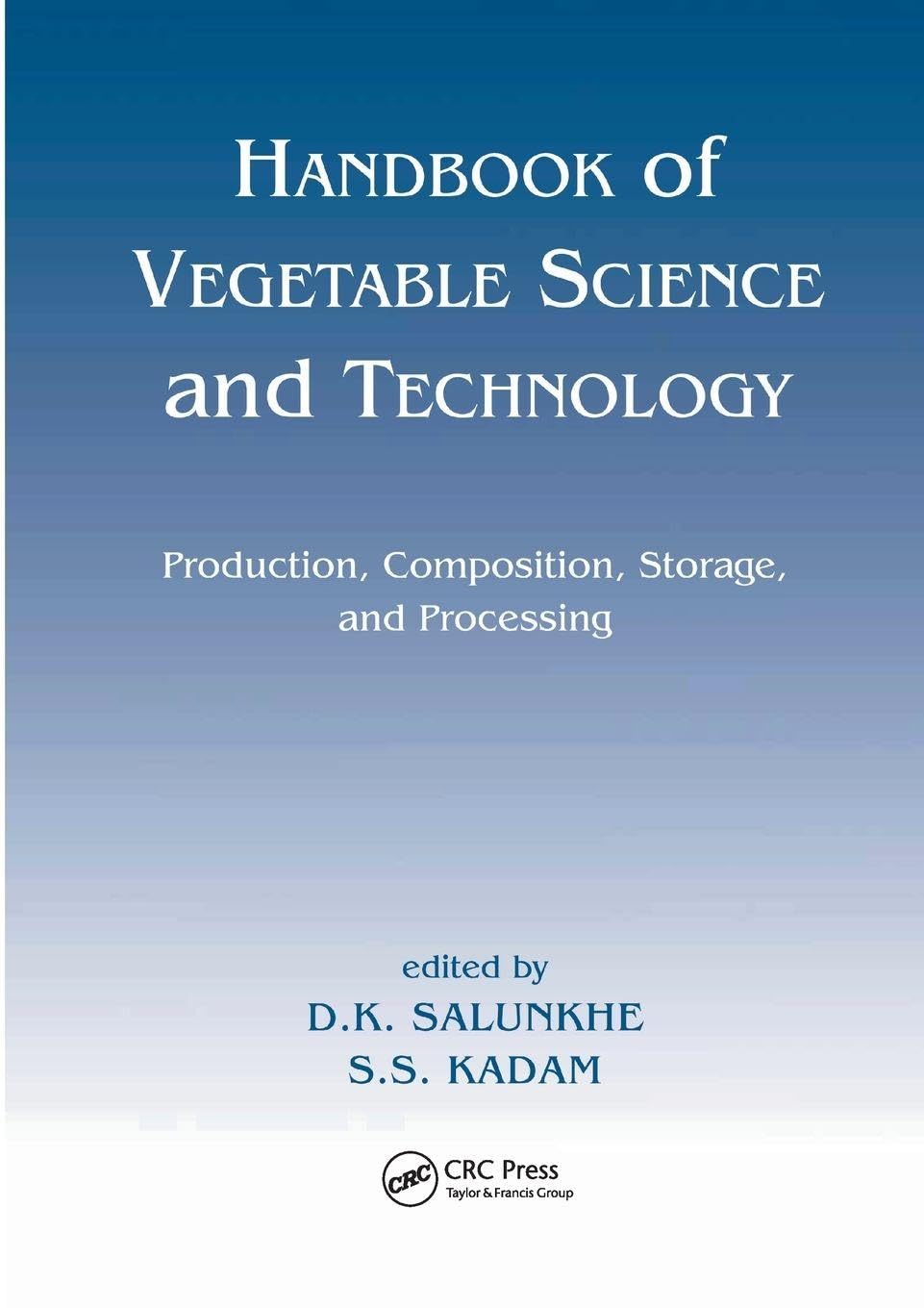
| Title | Handbook of Vegetable Science and Technology: Production, Compostion, Storage, and Processing |
| Authors / Brand | S. S. Kadam, D. K. Salunkhe |
| Scope | More than 70 major and minor vegetables |
| Coverage | Production, composition, storage, and processing |
| Geographic focus | Tropical, subtropical, and temperate regions |
| Use case | Reference for researchers, extension agents, and food scientists |
Our Verdict
The Handbook of Vegetable Science and Technology is a well-organized, high-value reference for professionals who need consolidated, comparative information across many vegetables and climatic zones. Its emphasis on storage and processing makes it particularly useful for postharvest specialists and food technologists; those seeking introductory gardening advice should choose a different, more basic guide.
Frequently Asked Questions
Does this book cover minor as well as major vegetables?
Yes, the handbook explicitly covers more than 70 major and minor vegetables with comparative data for each.
Is the material relevant to different climates?
Yes, the content addresses tropical, subtropical, and temperate regions so recommendations can be adapted to varied growing conditions.
Who benefits most from this handbook?
Researchers, extension agents, and food scientists focused on production, composition, storage, and processing will get the most use from this book.
Editor's Take
The handbook is a concise, high-value reference for researchers and postharvest specialists, offering comparative data on production, composition, storage, and processing for over 70 vegetables across climates.

Recently viewed
Recently viewed products will appear here as customers browse the store.