

Headaches and Mild Brain Trauma - Practical CBT Guide for Clinicians
Headaches and Mild Brain Trauma - Practical CBT Guide for Clinicians
Price subject to change. Tap below for current.
Couldn't load pickup availability
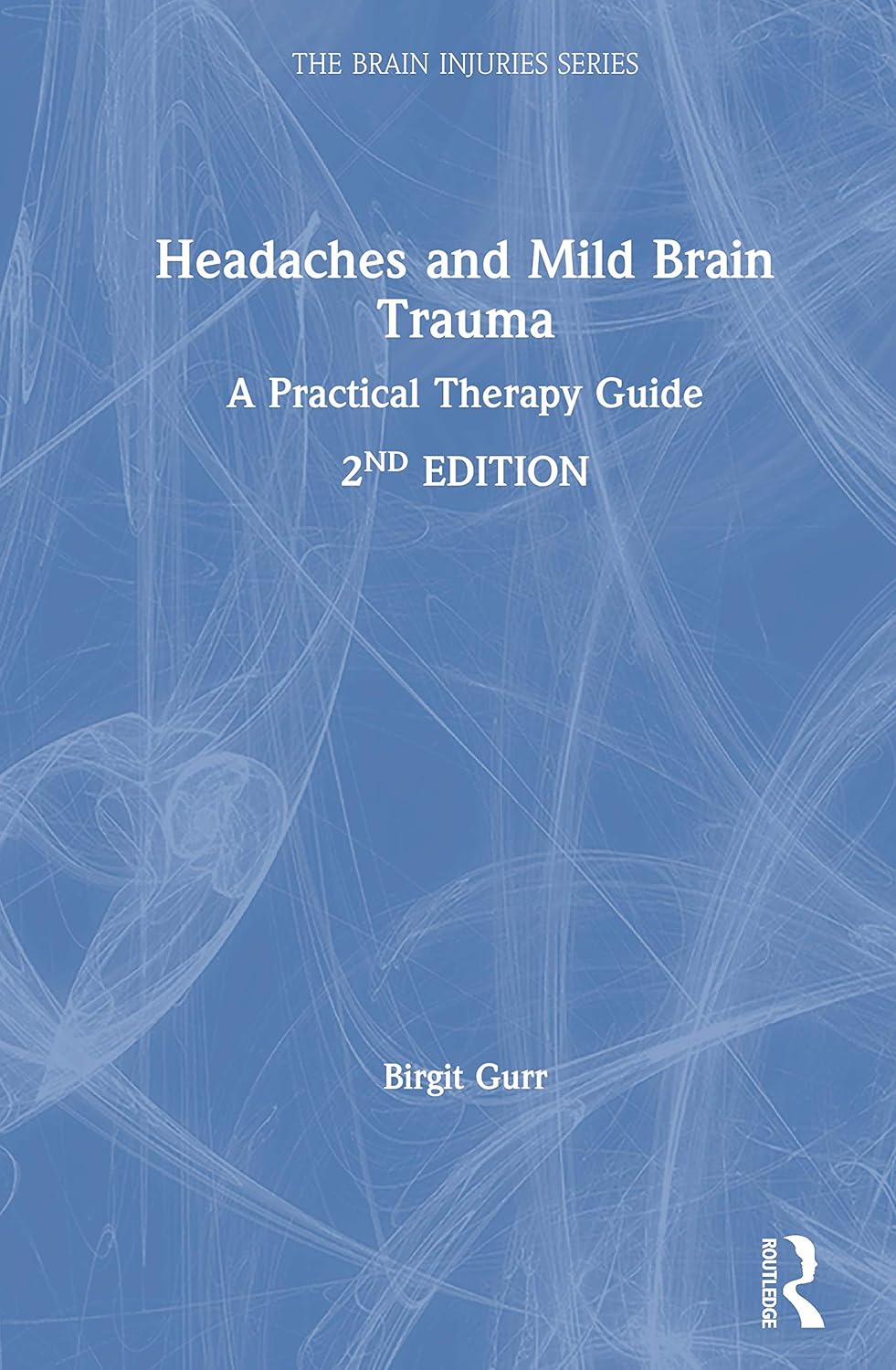
Our review of Headaches and Mild Brain Trauma explains why this book is a useful clinical resource for therapists and clinicians working with posttraumatic headache. Written as part of The Brain Injuries Series, the volume focuses on the persistent, often complex headache presentations that follow mild brain trauma and offers a predominantly cognitive behavioural therapy programme to guide patients toward reduced pain and improved function. The book stands out for blending theory with practical materials, making it immediately usable in sessions while remaining grounded in the latest research on posttraumatic symptoms.
Key Features
- Biopsychosocial framing: Explains how physical, psychological and social factors interact to sustain posttraumatic headaches so clinicians can plan more holistic care.
- CBT programme: Provides a structured cognitive behavioural therapy approach aimed at reducing headache frequency and improving coping strategies.
- Clinical guidelines: Offers up-to-date guidance that helps clinicians decide when to adapt or intensify interventions based on symptom complexity.
- Practitioner worksheets: Includes ready-to-use worksheets that make it easier to translate therapy concepts into session tasks and homework.
- Relaxation scripts: Supplies scripted relaxation exercises clinicians can use directly with patients to target physiological arousal linked to pain.
- Theoretical underpinning: Balances hands-on tools with discussion of functional roles headaches may play, helping therapists address underlying meaning.
Who It's For
This book is best suited to clinical psychologists, neurorehabilitation therapists, pain specialists and counsellors who treat patients with persistent headaches after a mild brain injury and who want an evidence-informed therapy programme they can implement in practice. It is also useful for postgraduate trainees seeking a focused clinical manual that links research to treatment.
Readers looking for a purely biomedical or surgical guide to headache will want a different resource, and those seeking a self-help book without clinician involvement may find the material too clinician-directed. The book assumes some familiarity with therapeutic techniques and clinical assessment.
Pros & Cons
Pros
- Practical CBT programme that is easy to adapt for individual patients.
- Includes worksheets and relaxation scripts so clinicians can start using the material immediately.
- Strong biopsychosocial perspective helps integrate physical and psychosocial treatment targets.
- Updated review of recent research provides a current clinical framework.
Cons
- Focused on clinician-delivered CBT, so it may be less accessible to patients seeking a pure self-help manual.
- Does not replace specialized medical or neurological investigations when those are needed.
Specifications
| Title | Headaches and Mild Brain Trauma (The Brain Injuries Series) |
| Author | Birgit Gurr |
| Primary focus | Posttraumatic headaches and cognitive behavioural therapy |
| Included materials | Clinical guidelines, practitioner worksheets, relaxation scripts |
| Approach | Biopsychosocial model with CBT programme |
| Audience | Clinicians, therapists, postgraduate trainees |
Our Verdict
Headaches and Mild Brain Trauma is a practical, evidence-connected manual that clinicians treating posttraumatic headache will find valuable. It combines a clear CBT programme with worksheets and scripts so therapists can implement interventions quickly, making it a sound value for practitioners who need a focused, clinically usable resource rather than a general textbook.
Frequently Asked Questions
Does the book include practical tools I can use in sessions?
Yes. It contains practitioner worksheets and relaxation scripts designed for direct clinical use.
Is the approach medical or psychological?
The book uses a biopsychosocial framework with a predominantly cognitive behavioural therapy approach, integrating physical and psychological factors.
Who should not buy this book?
Patients seeking a standalone self-help guide or readers wanting a purely biomedical headache manual should look elsewhere.
Editor's Take
A practical, research-informed manual for clinicians treating posttraumatic headaches that pairs a clear CBT programme with worksheets and relaxation scripts, making it a good value for therapists seeking usable interventions.

Recently viewed
Recently viewed products will appear here as customers browse the store.