

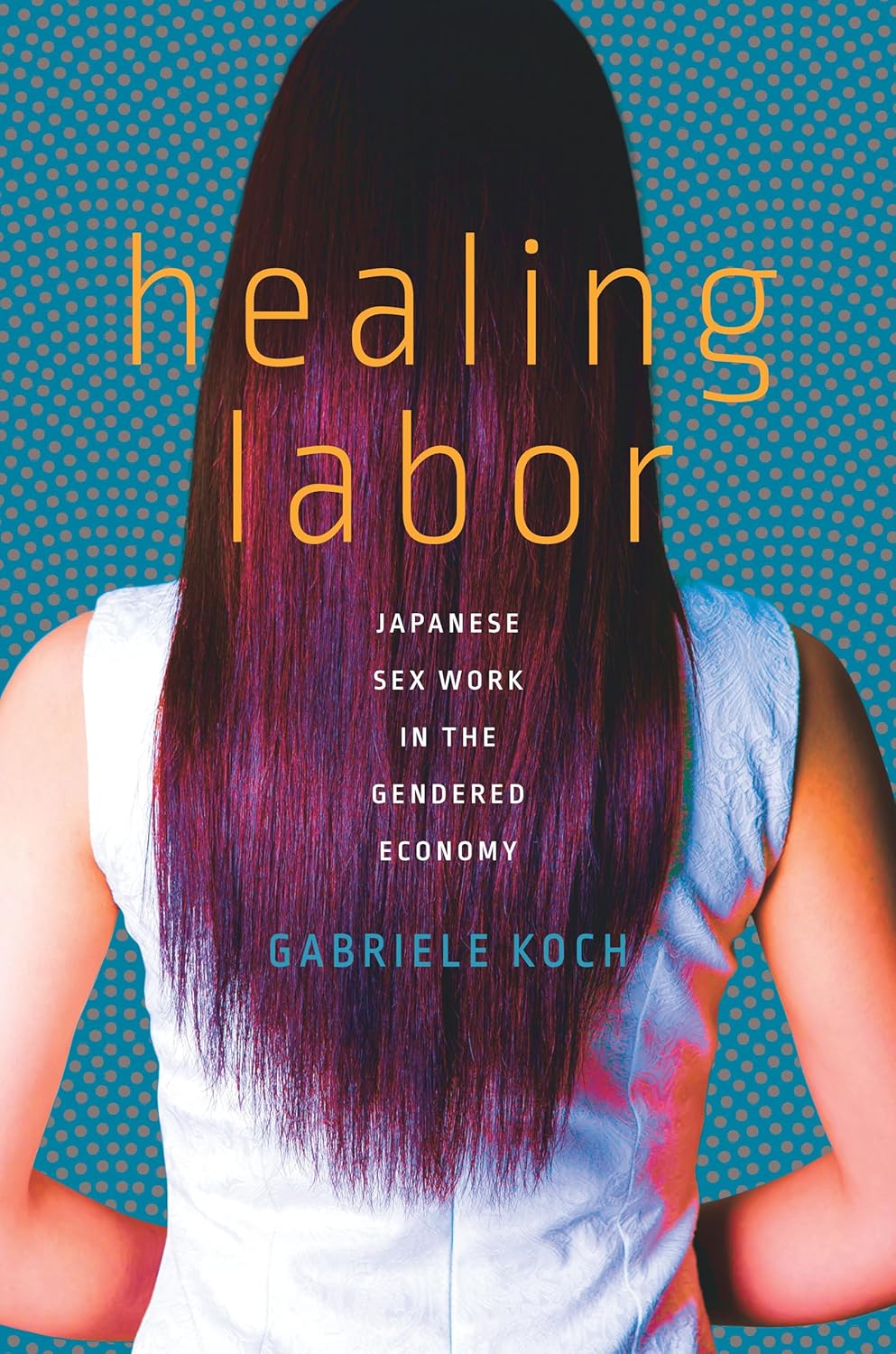
Healing Labor: Japanese Sex Work in the Gendered Economy
Healing Labor: Japanese Sex Work in the Gendered Economy
Price subject to change. Tap below for current.
Couldn't load pickup availability
In this review of Healing Labor: Japanese Sex Work in the Gendered Economy, the bottom line is clear: this is a careful, fieldwork-driven book for readers who want a nuanced, ethnographic account of sex work and gendered labor in contemporary Japan. Gabriele Koch approaches the topic with analytic restraint, showing how sex work is framed by participants as a form of care labor and social necessity; the prose and evidence make it valuable for scholars, students, and thoughtful general readers curious about the intersection of economy, gender, and intimate labor.
Key Features
- Ethnographic fieldwork: Based on direct work with adult women in Tokyo's sex industry, the book grounds its arguments in observed practices and personal accounts.
- Conceptual framing: The author articulates sex work as a feminized form of healing labor, clarifying how workers view their action as meaningful and socially necessary.
- Focus on political economy: The book links individual workers' perspectives to broader questions about labor, autonomy, and economic roles in contemporary Japan.
- Attention to stigma: Koch documents how sex work remains socially unmentionable despite being widely present and economically significant.
- Diverse worker perspectives: The account highlights a varied group of women who are attracted by high pay and the promise of autonomy, showing different motivations and constraints.
Who It's For
This book is best suited to readers in social sciences, gender studies, and politics who want a close qualitative study rather than a policy manual. Graduate students and researchers looking for an example of urban ethnography or a focused case study of labor and sexuality in Japan will find the method and argument especially useful.
Those seeking a broad global survey of sex industries, a practical guide to policy reform, or sensationalized accounts should look elsewhere; Healing Labor is analytic and restrained, prioritizing participants' voices and interpretation over activism or quick prescriptions.
Pros & Cons
Pros
- Grounded ethnography gives the book credibility and real-world texture.
- The framing of sex work as care and healing labor offers a fresh conceptual lens for scholars.
- Clear linkage between individual narratives and larger political-economic questions helps readers see systemic patterns.
Cons
- The focus on Tokyo and participant perspectives means it is not a comprehensive survey of all Japanese sex markets.
Specifications
| Title | Healing Labor: Japanese Sex Work in the Gendered Economy |
| Author | Gabriele Koch |
| Scope | Ethnographic study of sex work in contemporary Japan |
| Primary focus | Sex work as feminized care or healing labor |
| Geographic focus | Tokyo, Japan |
| Intended audience | Social sciences, gender studies, researchers |
Our Verdict
Healing Labor is a measured, well-documented ethnography that merits attention from scholars and serious readers who want to understand how sex work is narrated by the workers themselves and situated within Japan's gendered economy. It provides thoughtful conceptual tools and reliable field evidence, making it good value for anyone studying labor, gender, or contemporary Japanese society.
Frequently Asked Questions
Does this book rely on firsthand research?
Yes. The book is based on fieldwork with adult women working in Tokyo's sex industry and uses their accounts as central evidence.
Is the focus theoretical or practical?
The focus is analytic and ethnographic, emphasizing interpretation of workers' meanings and political-economic implications rather than offering policy prescriptions.
Who would benefit most from reading it?
Researchers, graduate students, and readers in gender studies or social sciences who want a close qualitative study of sex work in contemporary Japan will benefit most.
Editor's Take
Healing Labor is a measured ethnography showing how Japanese sex workers frame their work as feminized care; it is essential reading for scholars of gender, labor, and contemporary Japan.

Recently viewed
Recently viewed products will appear here as customers browse the store.