

Healing the Fragmented Selves of Trauma Survivors - Trauma Recovery
Healing the Fragmented Selves of Trauma Survivors - Trauma Recovery
Price subject to change. Tap below for current.
Couldn't load pickup availability
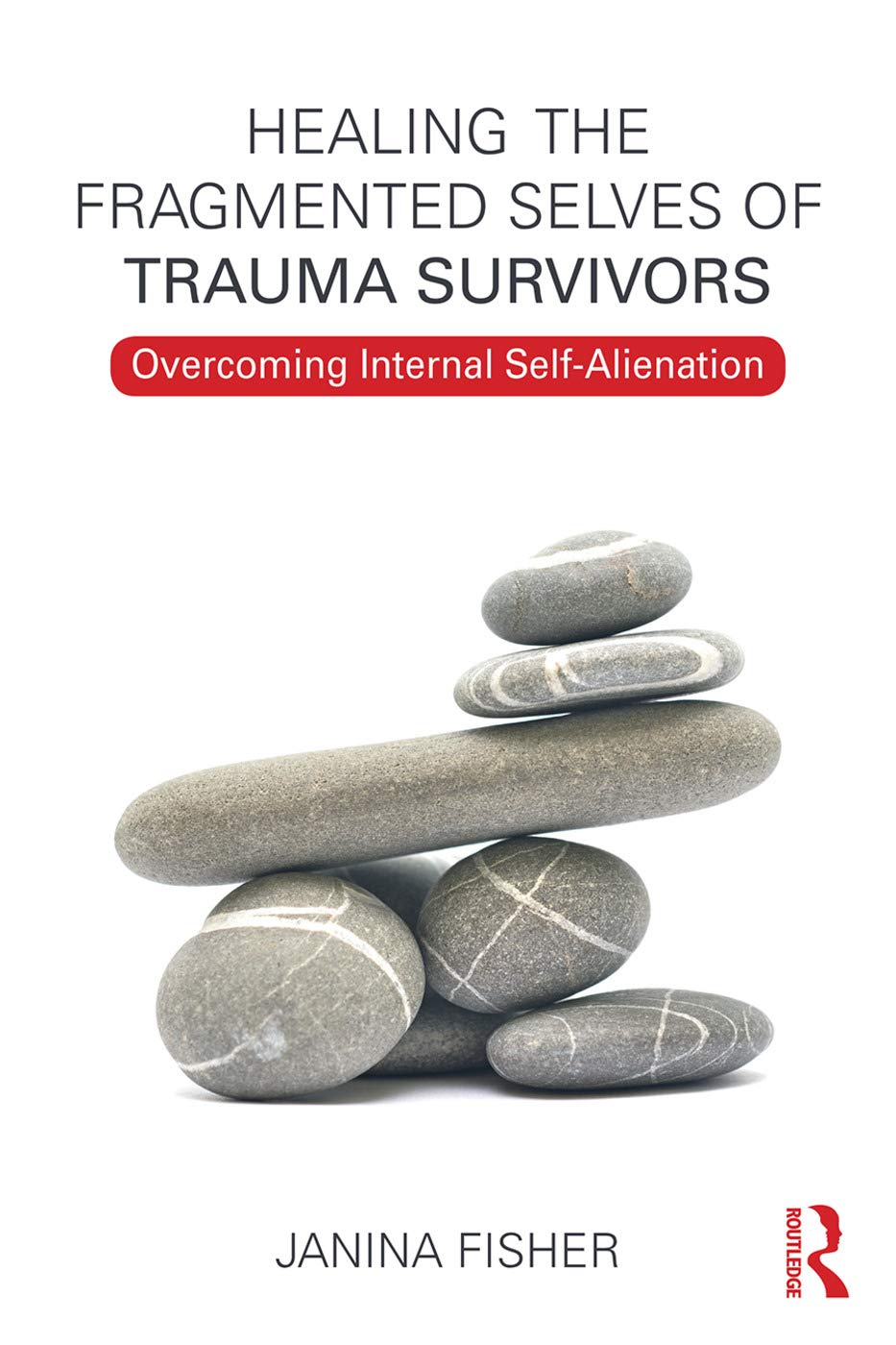
In this review of Healing the Fragmented Selves of Trauma Survivors the bottom line is clear: clinicians, trainees, and informed survivors seeking a practical, neurobiologically grounded road map for treating complex trauma will find this book especially valuable. Janina Fisher presents a compassionate, readable synthesis of theory and practice that emphasizes transformation in the clients relationship to self rather than mere symptom management. The single biggest reason to buy is the books usable model for resolving internal self-alienation, explained in straightforward language suitable for both therapist and client.
Key Features
- Neurobiological framing: Integrates recent understandings of brain-based responses to trauma to inform treatment choices and case conceptualization.
- Dissociation and attachment focus: Offers concrete guidance for working with dissociative parts and attachment injuries that compromise self-coherence.
- Practical interventions: Presents techniques adapted from Sensorimotor Psychotherapy, Internal Family Systems, mindfulness, and clinical hypnosis for use in session.
- Readable prose: Communicates complex clinical material in compassionate, accessible language that clinicians and motivated clients can follow.
- Resolution-oriented model: Emphasizes transforming shame and self-loathing into compassionate acceptance as a core therapeutic goal.
Who It's For
Clinicians and trainees will benefit most from the books clinical tools and case examples, especially those treating complex trauma, dissociation, and attachment difficulties. It suits therapists who want an integrative, neurobiology-informed approach that can be applied in individual therapy.
Survivors and informed readers who seek a deeper understanding of why trauma fragments the self will appreciate the accessible explanations and hopeful framing, though the book assumes some familiarity with therapeutic concepts. Readers seeking a step-by-step self-help manual without a therapist may need supplemental guidance.
Pros & Cons
Pros
- Combines neuroscience and psychotherapy in a way that clarifies clinical decision making.
- Provides a set of adaptable techniques from multiple schools that are easy to implement in session.
- Written with compassion and clarity, improving readability for clinicians and engaged clients.
Cons
- Not a pure self-help workbook; some readers will need a clinician to fully apply interventions.
Specifications
| Title | Healing the Fragmented Selves of Trauma Survivors |
| Author / Brand | Janina Fisher |
| Subject focus | Trauma, dissociation, attachment, therapeutic resolution |
| Approach | Integrative: Sensorimotor Psychotherapy, IFS, mindfulness, clinical hypnosis |
| Audience | Clinicians, trainees, informed survivors |
| Core goal | Transform self-alienation into compassionate acceptance |
Our Verdict
Healing the Fragmented Selves of Trauma Survivors is a high-value resource for therapists and engaged survivors who want an evidence-informed, compassionate roadmap for addressing internal fragmentation. Its blend of neuroscience, attachment theory, and pragmatic interventions makes it a worthwhile investment for people committed to deep therapeutic work rather than quick fixes.
Frequently Asked Questions
Is this book suitable for beginners in trauma therapy?
The book is accessible but assumes some clinical familiarity; trainees will gain practical tools while absolute beginners may benefit from supplementary introductory material.
Does the author provide step-by-step exercises?
Yes, the text includes practical interventions adapted from several modalities, though many are intended to be applied within therapy rather than as standalone self-help tasks.
Will this help clients with dissociation?
Yes, the book specifically addresses dissociation and attachment wounds with strategies for reintegrating fragmented parts and reducing shame.
Editor's Take
This book is a practical, neurobiologically informed resource for clinicians and engaged survivors, offering compassionate, usable interventions to transform trauma-related self-alienation into acceptance.

Recently viewed
Recently viewed products will appear here as customers browse the store.