

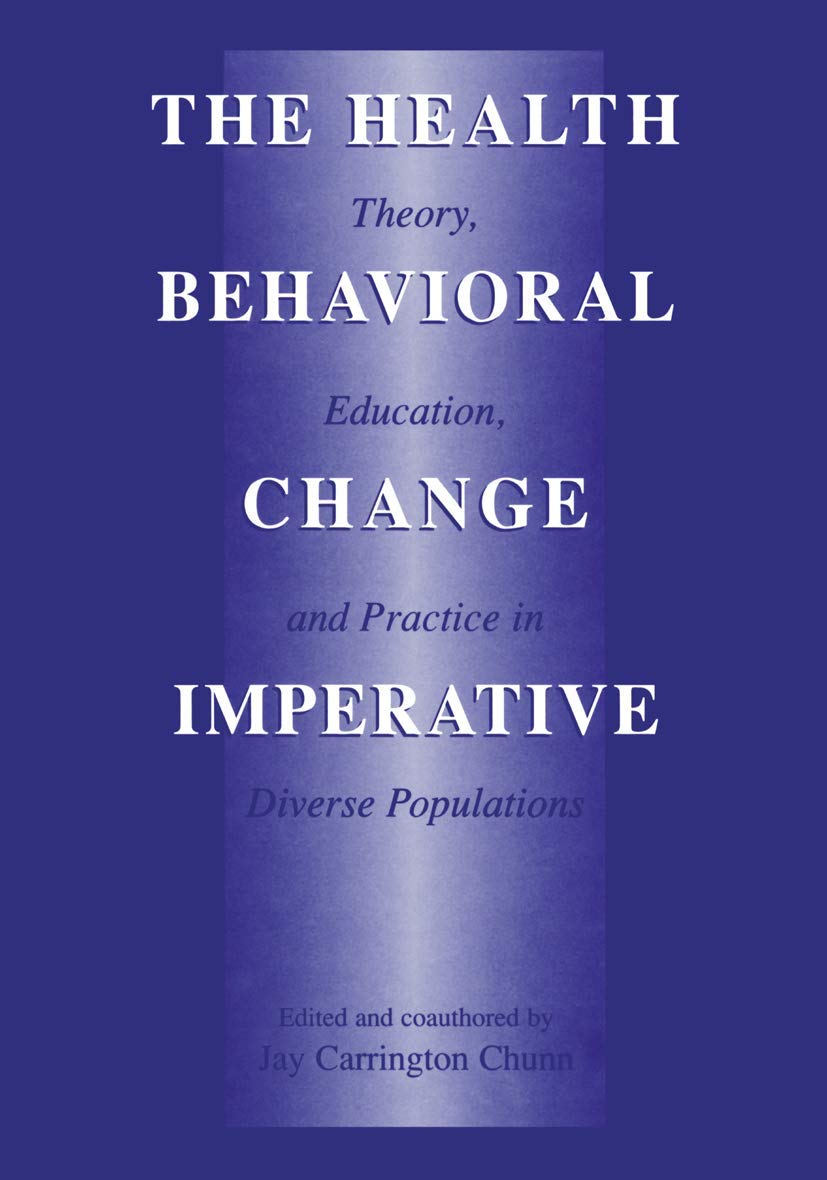
Health Behavioral Change Imperative: Theory, Education, and Practice
Health Behavioral Change Imperative: Theory, Education, and Practice
Price subject to change. Tap below for current.
Couldn't load pickup availability
In this review of The Health Behavioral Change Imperative: Theory, Education, and Practice in Diverse Populations, the bottom line is clear: this book is aimed at public health practitioners, educators, and applied researchers who need a focused examination of health behavior theory and community-based prevention in urban minority settings. The author frames preventable urban morbidities and violence as urgent public health priorities and presses readers to rethink prevention methodologies. For those working on HIV prevention, policy research, or community interventions, this review finds the book a practical, theory-informed resource worth consulting.
Key Features
- Focused urban context: Explores the specific health challenges facing inner city and predominately minority communities to ground prevention strategies in real-world conditions.
- Theory review: Critically examines existing health behavior theories so practitioners can select or adapt frameworks that fit diverse populations.
- Prevention practice: Discusses development of new prevention practices and community-based programs that respond to local needs and cultural contexts.
- Program areas highlighted: Addresses priority interventions such as HIV prevention and evaluation and policy research, offering targeted programmatic direction.
- Educational emphasis: Connects theory to practice for training public health professionals to design and implement effective community interventions.
Who It's For
This book is best suited to public health practitioners, community health educators, applied psychologists, and policy researchers working in urban settings who need a concentrated discussion of behavior change theory and prevention program design. Graduate students in public health or community psychology who want a practice-oriented supplement to theoretical coursework will also find useful perspectives here.
Readers looking for a general population health overview or a light introduction to behavior change without emphasis on inner city or minority community issues may want a broader textbook; this volume is specifically tailored to urban prevention and community-based interventions.
Pros & Cons
Pros
- Directly connects theoretical critique to practical prevention methods for urban settings.
- Offers focused insight on HIV prevention and policy research relevant to community programs.
- Useful as a training reference for professionals designing culturally informed interventions.
Cons
- Scope is specialized toward inner city and minority community issues, so it may feel narrow to readers seeking broad public health coverage.
Specifications
| Title | The Health Behavioral Change Imperative: Theory, Education, and Practice in Diverse Populations |
| Author | Jay Carrington Chunn |
| Focus areas | Health behavior theory, prevention practice, community interventions |
| Populations | Inner city and predominately minority communities |
| Program topics | HIV prevention; evaluation and policy research |
| Intended readers | Public health practitioners, educators, applied researchers |
Our Verdict
The Health Behavioral Change Imperative is a concise, practical resource for professionals committed to preventing disease and addressing violence in urban minority communities. It pairs critical theory review with program-focused guidance, making it a good value for practitioners and graduate students who need targeted, implementable ideas for community-based prevention.
Frequently Asked Questions
Does this book cover practical programs?
Yes. It emphasizes development of new prevention practices and community-based interventions, with examples such as HIV prevention and program evaluation guidance.
Who is the author intended to help?
The book is written for public health practitioners, community educators, applied psychologists, and policy researchers working in inner city and minority population settings.
Is it a general public health textbook?
No. The content is specialized on urban prevention, health behavior theory critique, and programs for diverse communities rather than a broad introductory survey.
Editor's Take
A practical, theory-informed resource for public health practitioners and educators working on prevention in urban minority communities, offering targeted guidance on community programs and HIV prevention.

Recently viewed
Recently viewed products will appear here as customers browse the store.