

Herbal Medicines in Traditional Drugstores of Iran - Practical
Herbal Medicines in Traditional Drugstores of Iran - Practical
Price subject to change. Tap below for current.
Couldn't load pickup availability
Our review of Herbal Medicines in Traditional Drugstores of Iran explains who will gain most from this academic yet accessible book and the one clear reason to buy it: it compiles both living traditional uses and modern phytochemistry for each entry. This volume presents 27 medicinal plants still found in Iranian attari and blends historical folk knowledge with up-to-date pharmacology, making it a useful reference for students and researchers who need a single-source summary rather than a broad textbook.
Key Features
- Preserved traditional knowledge: The book documents current folk uses recorded from Iranian attari, helping readers connect practice with provenance.
- Phytochemistry summaries: Each plant entry includes the most recent published data on chemical constituents, aiding literature review and research planning.
- Pharmacology context: Reported pharmacological findings are presented alongside traditional uses, clarifying which folk applications have experimental support.
- Well-documented references: Academic citations accompany entries so students and researchers can follow primary sources for deeper study.
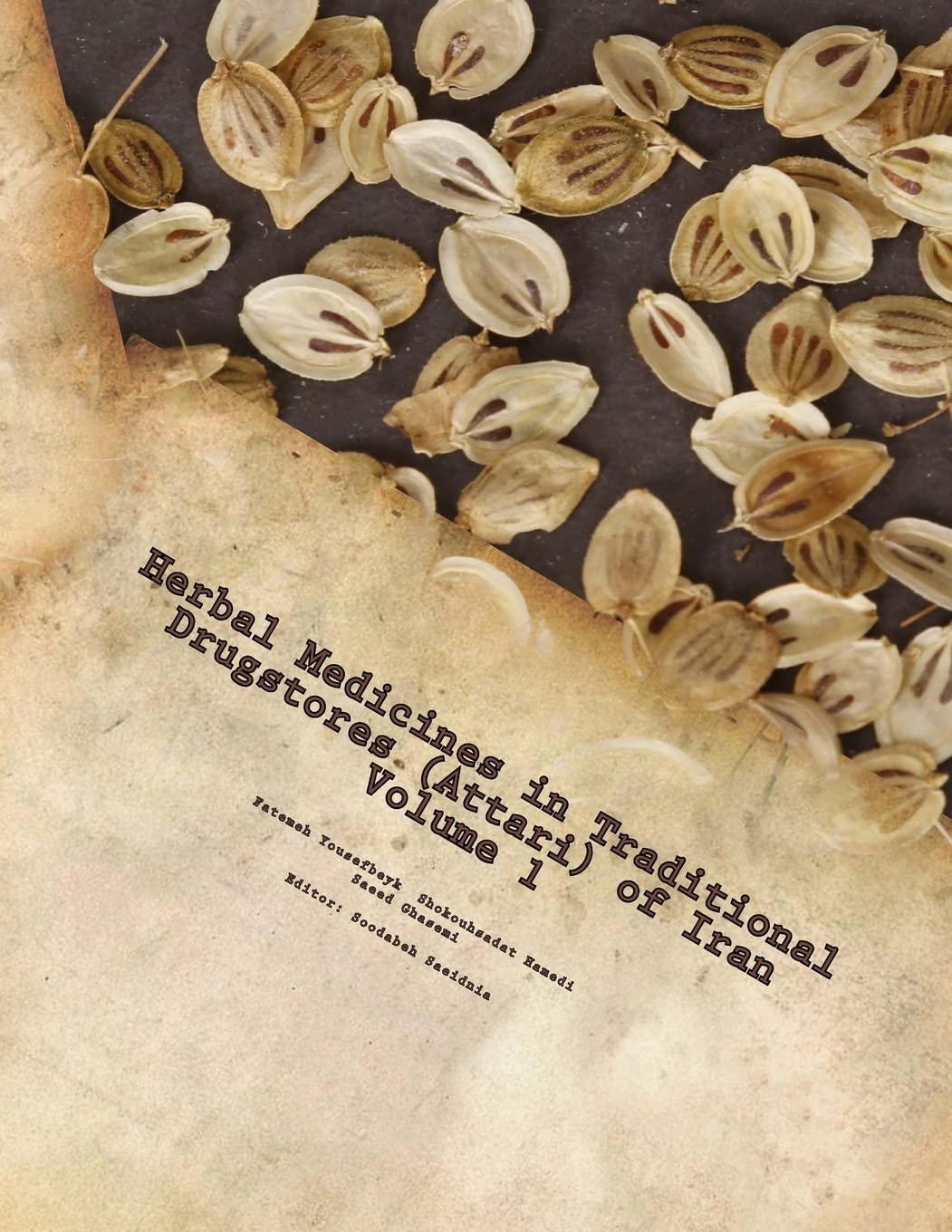
- Color images included: Photographs of the medicinal plants help with visual identification and field comparison.
- Focused series approach: This first volume sets the structure for a 150-plant series, making it useful to collectors of regional phytotherapy works.
Who It's For
This book is best for pharmacy and pharmacognosy students, academic researchers, and herbalists who require concise, referenced profiles that combine ethnobotany with contemporary phytochemical and pharmacological data. The clear organization supports coursework, literature reviews, and comparative study of medicinal plants documented in Iranian traditional drugstores.
It is less suitable for readers expecting extensive clinical treatment protocols, large-population clinical trial data, or a general consumer guide to herbal self-care; the work is academic in tone and focused on plant profiles rather than practical dosing guides.
Pros & Cons
Pros
- Brings together folk uses and modern phytochemistry in one reference, saving time for researchers.
- Includes color photographs that assist with plant recognition and verification.
- Well-referenced entries point to original academic literature for follow-up reading.
Cons
- The volume covers 27 plants only, so readers seeking comprehensive coverage must wait for later volumes.
Specifications
| Title | Herbal Medicines in Traditional Drugstores of Iran |
| Series | Phytotherapy and Phytomedicine (volume 1) |
| Number of plants | 27 presented in this volume |
| Content focus | Traditional uses, phytochemistry, pharmacology |
| Images | Color pictures of the mentioned medicinal plants |
| Intended audience | College and university students, researchers |
| Authors | Soodabeh Saeidnia; Fatemeh Yousefbeyk; Shokouhsadat Hamedi; Saeed Ghasemi |
Our Verdict
Herbal Medicines in Traditional Drugstores of Iran is a well-documented, narrowly focused reference that pairs living traditional knowledge with contemporary phytochemical and pharmacological reporting. Students and researchers in pharmacy and pharmacognosy will find it good value for its citations and plant images, while readers seeking exhaustive coverage should plan to follow the full 150-plant series.
Frequently Asked Questions
Does this book include scientific references?
Yes. Each entry is supported by recent academic references so readers can consult primary studies.
How many plants are covered in this volume?
The first volume presents 27 medicinal plants with plans to reach 150 across the series.
Is this suitable for clinical dosing guidance?
No. The book summarizes traditional uses and pharmacology but does not provide clinical treatment protocols or dosing instructions.
Editor's Take
A well-documented, image-rich reference that links traditional uses with contemporary phytochemistry and pharmacology; ideal for pharmacy students and researchers seeking concise, cited plant profiles.

Recently viewed
Recently viewed products will appear here as customers browse the store.