

Heritage, Conservation and Communities - Community-led Conservation
Heritage, Conservation and Communities - Community-led Conservation
Price subject to change. Tap below for current.
Couldn't load pickup availability
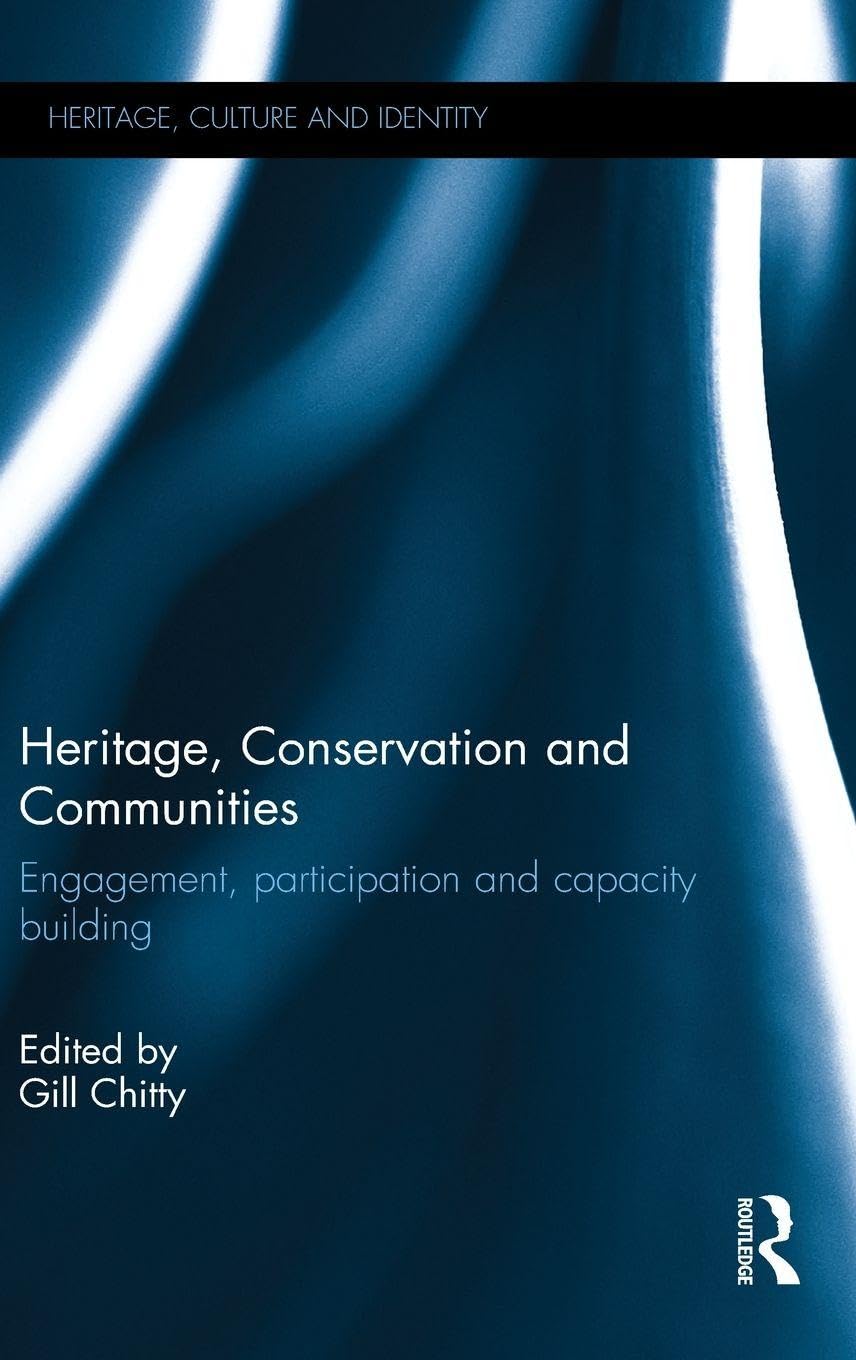
Our review of Heritage, Conservation and Communities looks at a focused resource for practitioners and students interested in community-led conservation. This book is for those wanting practical insight into how conservation can be reoriented around local ownership and participation; its single biggest reason to buy is the sustained emphasis on pragmatic strategies for building capacity and involvement in conservation projects within communities. The tone is academic but accessible, and the content concentrates on the intersection of material heritage, significance for local people, and methods for increasing participative leadership.
Key Features
- Community-led focus: Emphasises how conservation can be organized and run by local people to secure cultural value and ongoing stewardship.
- Practical conservation emphasis: Concentrates on the practical care of material cultural heritage rather than only theoretical debates, offering usable approaches for projects.
- Capacity-building insight: Details strategies for improving local ownership and leadership so projects are sustainable beyond initial interventions.
- Participation in practice: Shows how to move from consultation to active involvement in both decision-making and hands-on conservation work.
- Illustrated research and case studies: Presents current research and real practice examples that demonstrate social, educational and personal benefits of local participation.
Who It's For
This book will suit heritage professionals, conservation practitioners, community organisers and postgraduate students who need a concentrated discussion of participative methods for material heritage care. It is particularly useful for project leads seeking concrete ideas to foster local ownership and to link conservation practice with social outcomes.
Those seeking a broad textbook on world heritage theory or an exhaustive technical manual on conservation techniques may find the scope narrower than expected; this work prioritises community process and capacity over lengthy technical specifications of conservation treatments.
Pros & Cons
Pros
- Clear orientation toward local ownership makes it a practical guide for community-driven projects.
- Focus on the care of material cultural heritage ties social benefits to tangible conservation tasks.
- Combines research and practice so readers see how academic findings translate into fieldwork.
Cons
- Does not serve as a substitute for a technical conservation manual when detailed treatment specifications are required.
Specifications
| Title | Heritage, Conservation and Communities (Heritage, Culture and Identity) |
| Author | Gill Chitty |
| Subject focus | Community-led conservation and public participation |
| Scope | Practical care of material cultural heritage and local significance |
| Approach | Research and practice illustrations with social and educational outcomes |
| Intended audience | Heritage practitioners, community organisers, students |
Our Verdict
Heritage, Conservation and Communities is a focused, practical resource for anyone aiming to strengthen local leadership and participative practice in conservation projects. It represents good value for professionals and students who want strategies that link material care with social benefits, though readers needing highly technical treatment protocols should supplement it with dedicated conservation manuals.
Frequently Asked Questions
Is this book practical or theoretical?
Answer. The book leans toward practical approaches, illustrating research with real-world practice and methods for community participation.
Who will benefit most from this title?
Answer. Heritage professionals, conservation practitioners and community organisers seeking ways to increase local ownership will benefit most.
Does it include technical conservation procedures?
Answer. It focuses on the practical care of material heritage and participative methods rather than detailed technical treatment specifications.
Editor's Take
A focused, practical guide for heritage professionals and students seeking strategies to build local ownership and participative practice in conservation projects; supplement with technical manuals if you need detailed treatment protocols.

Recently viewed
Recently viewed products will appear here as customers browse the store.