

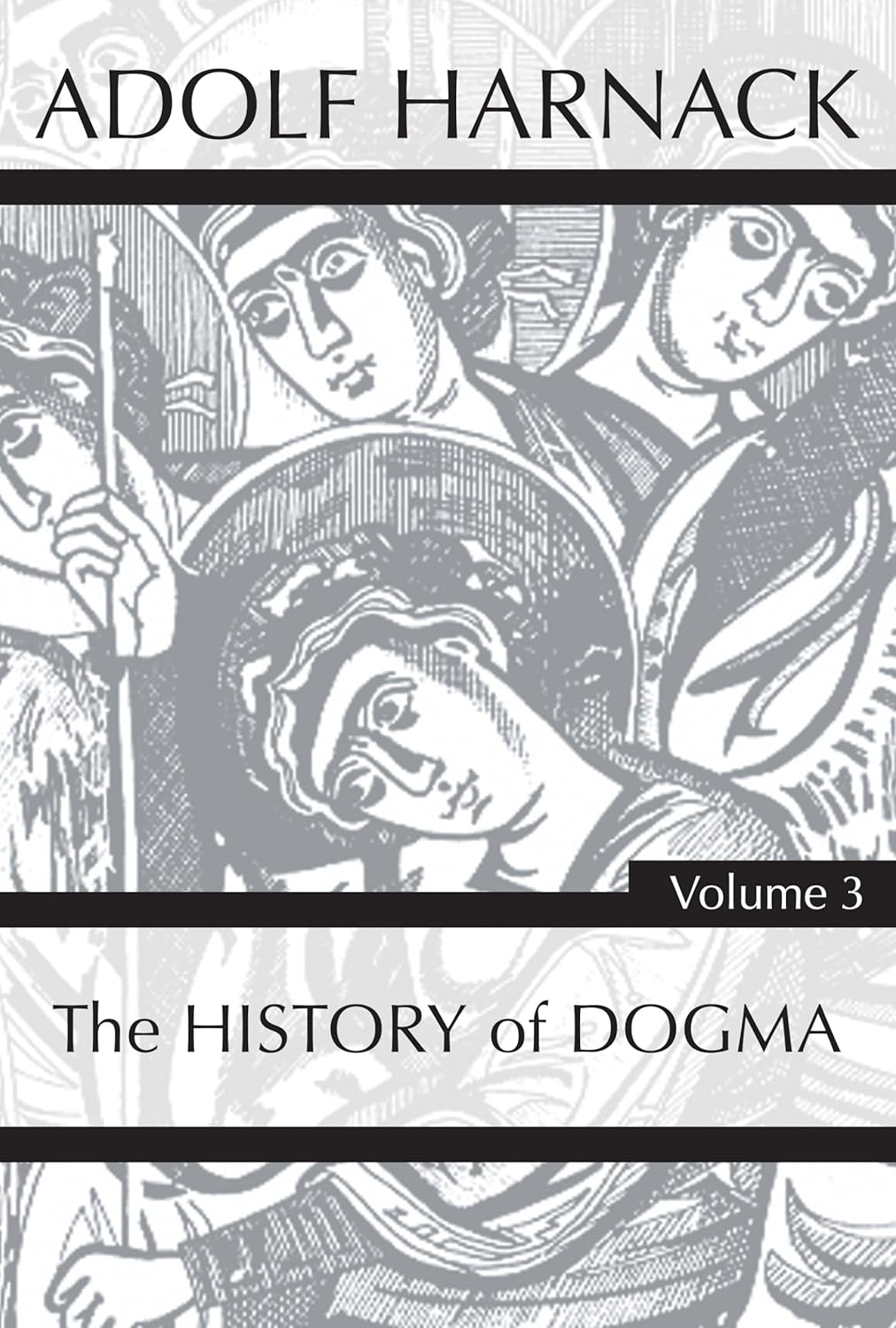
History of Dogma, Volume 3 - Classic Study of Christian Doctrine
History of Dogma, Volume 3 - Classic Study of Christian Doctrine
Price subject to change. Tap below for current.
Couldn't load pickup availability
In this review of History of Dogma, Volume 3 the bottom line is clear: this volume is for readers who want a rigorous, historically grounded narrative of how Christian doctrine developed from its origins through the Reformation and into the 19th century. Adolf Harnack's work remains influential because it combines detailed archival awareness with a broad interpretive sweep, making this edition particularly valuable to students, pastors, and scholars seeking a single-volume perspective on doctrinal evolution rather than a narrowly theological polemic.
Key Features
- Comprehensive historical scope: The book traces doctrinal development from the earliest Christian era down to the Reformation, giving readers a continuous narrative that clarifies long-term changes in belief and practice.
- Authoritative scholarship: Harnack's reputation as a historian ensures the text engages primary trends and turning points in doctrine with careful historical method and attention to context.
- Interpretive clarity: The work does more than list facts; it explains how doctrinal authority was constructed and why certain formulations gained dominance over time.
- Later developments included: A concise survey of developments through 1870 allows readers to see the impact of Reformation-era changes on subsequent theological debates.
- Useful for reference and study: The volume's structure and narrative make it practical for course reading, sermon background, or deeper personal study into church history.
Who It's For
This volume is well suited to seminary students, clergy, and lay readers who want a historically oriented account of doctrine rather than a devotional or purely confessional treatment. It is especially useful when one needs a single, coherent narrative that connects early creedal formation, medieval developments, and Reformation shifts.
Readers seeking a short primer or a contemporary theological defense of particular doctrines should look elsewhere; Harnack writes as a historian and assumes interest in historical causes and consequences over devotional exhortation or modern systematic theology.
Pros & Cons
Pros
- Provides a sweeping, continuous history that helps readers understand doctrinal continuity and change.
- Written by a respected historian, offering careful attention to historical context and sources.
- Surveys developments through 1870, so readers can see longer-term effects beyond the Reformation.
Cons
- Because it is a scholarly historical work, it may be denser and less accessible to casual readers seeking a brief overview.
Specifications
| Title | History of Dogma, Volume 3 |
| Author | Adolf Harnack |
| Scope | Origins to the Reformation, with survey through 1870 |
| Subject | History of Christian doctrine |
| Intended audience | Students, clergy, scholars |
| Use case | Reference, course reading, historical study |
Our Verdict
History of Dogma, Volume 3 remains a worthwhile investment for anyone seeking a historically rigorous account of how Christian doctrine formed and transformed up to the Reformation and beyond. Its value lies in interpretive breadth and scholarly grounding, making it good value for students and church leaders who need historical perspective rather than a short primer.
Frequently Asked Questions
Does this volume cover the Reformation?
Yes, it traces doctrinal development through the Reformation and offers a brief survey of later developments through 1870.
Is this book suitable for lay readers?
It is accessible to motivated lay readers but is written with a scholar's attention to historical detail, so it is best for those comfortable with academic history.
What perspective does the book take?
Harnack approaches the subject as a historian, emphasizing historical causes, continuity, and change rather than confessional advocacy.
Editor's Take
History of Dogma, Volume 3 is a historically rigorous, interpretive account of Christian doctrinal development from origins to the Reformation and through 1870, ideal for students and clergy seeking depth and continuity rather than a brief primer.

Recently viewed
Recently viewed products will appear here as customers browse the store.