

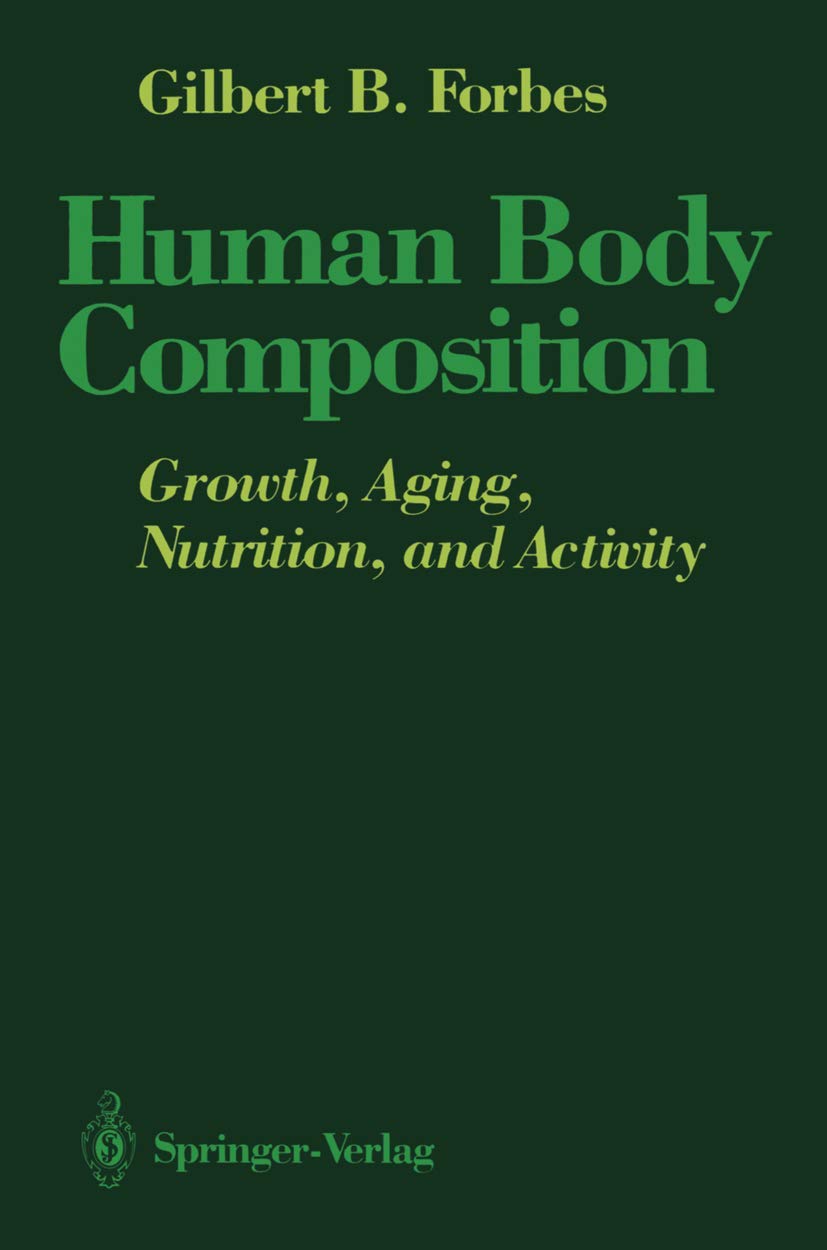
Human Body Composition: Growth, Aging, Nutrition, and Activity
Human Body Composition: Growth, Aging, Nutrition, and Activity
Price subject to change. Tap below for current.
Couldn't load pickup availability
In this review of Human Body Composition: Growth, Aging, Nutrition, and Activity the bottom line is simple: this is a measured, historically grounded text best suited for readers who want a scientific, chemical perspective on how the body changes over a lifetime. The book traces the evolution of ideas from early anatomical curiosity through the rise of chemical analysis and links those developments to practical topics like heat production and nutrient conversion. For students, instructors, and scientifically minded readers seeking a focused, text-based exploration of body composition, this book provides depth rather than a quick guide.
Key Features
- Historical context: The book outlines the progression of thought from Renaissance anatomy to 19th century chemical science, giving readers a clear timeline of discovery and method.
- Chemical focus: It emphasizes how the discovery of elements and organic compounds shaped understanding of body fluids and tissues, useful for readers interested in biochemistry.
- Physiological links: The text connects chemical processes to functions such as heat production and conversion of carbohydrate to fat, clarifying mechanisms behind metabolism.
- Developmental perspective: The book highlights differences in body composition between young animals and adults, making it relevant for comparative and developmental study.
- Methodological attention: As methods for chemical analysis evolve, the book tracks how measurements and interpretations of composition improved, valuable for researchers who care about technique.
Who It's For
Students in biological sciences and anatomy courses, especially those with an interest in biochemistry and physiological chemistry, will find the material directly applicable to coursework and lab contexts. Instructors looking for a concise historical and scientific treatment of body composition can use this as a supplementary text that emphasizes chemical explanations rather than clinical application.
It is less suitable for casual readers seeking diet or exercise prescriptions, or for clinicians wanting contemporary clinical guidelines; the focus is on conceptual and analytical development rather than current clinical protocols or step-by-step nutrition plans.
Pros & Cons
Pros
- Clear presentation of the historical development of ideas, which helps readers understand why modern concepts exist.
- Strong emphasis on chemical analysis and organic compounds, making it useful for those studying metabolism.
- Draws explicit connections between chemistry and physiological outcomes like heat production and fat formation.
Cons
- The treatment is academic and descriptive rather than a practical guide, so readers wanting applied nutrition or exercise advice should look elsewhere.
Specifications
| Title | Human Body Composition: Growth, Aging, Nutrition, and Activity |
| Author | Gilbert B. Forbes |
| Subject focus | Body composition, chemistry, development |
| Perspective | Historical and chemical analysis of physiology |
| Intended audience | Students, instructors, biological science readers |
| Coverage highlights | Heat production, nutrient conversion, age-related composition |
Our Verdict
Human Body Composition is a well-focused, scholarly treatment that pays off for readers who want to understand the chemical roots of physiological concepts and how methods of analysis shaped our knowledge. It represents good value as a supplemental textbook or reference for courses in anatomy, metabolism, or comparative physiology, though it is not a how-to manual for diet or fitness.
Frequently Asked Questions
Does the book cover metabolic mechanisms?
Yes, it discusses mechanisms such as heat production and conversion of carbohydrate to fat within a chemical framework.
Is this suitable for clinical nutrition practice?
No, the book is primarily historical and analytical rather than a current clinical guide for nutrition interventions.
Who wrote the book?
The book was written by Gilbert B. Forbes and focuses on body composition from growth through aging.
Editor's Take
A focused, scholarly treatment of body composition that links chemical discoveries to physiological concepts; ideal as a supplemental textbook for students and instructors rather than a practical nutrition guide.

Recently viewed
Recently viewed products will appear here as customers browse the store.