

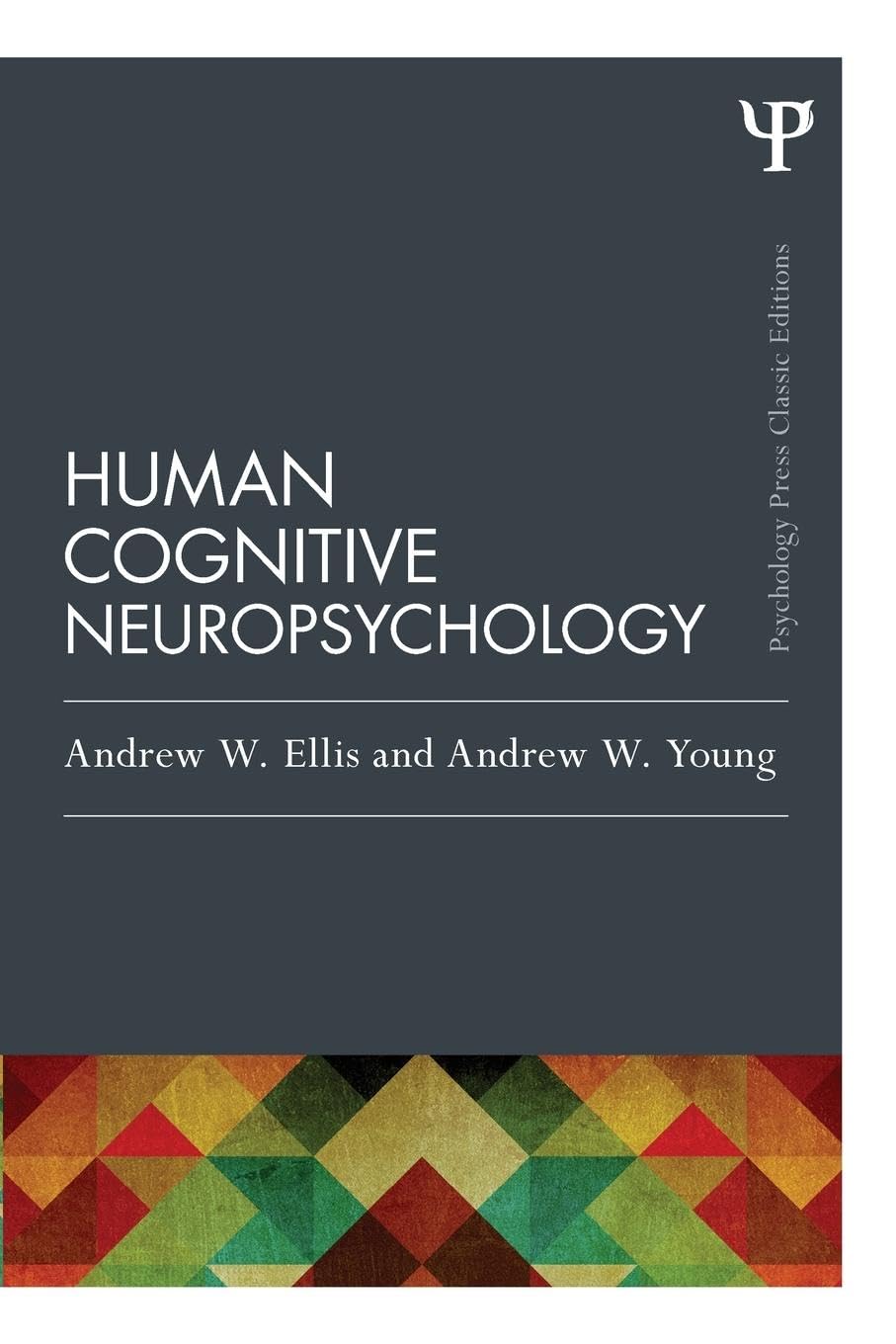
Human Cognitive Neuropsychology (Classic Edition) - Authoritative
Human Cognitive Neuropsychology (Classic Edition) - Authoritative
Price subject to change. Tap below for current.
Couldn't load pickup availability
In this review of Human Cognitive Neuropsychology readers will find a measured, scholarly assessment of a book aimed at those interested in the study of cognition through clinical impairments. Andrew W. Ellis presents a synthesis of research and theory circa 1988 that remains useful for understanding how single-case studies and lesion evidence have informed models of normal cognitive processing. This review explains who benefits most from the book and why its systematic treatment of empirical foundations makes it a valuable reference for students and researchers exploring the logic and limits of cognitive neuropsychology.
Key Features
- Theoretical synthesis: The book gathers and organizes progress in cognitive neuropsychology to provide a coherent view of how impairment studies inform models of normal cognition.
- Empirical foundations: Ellis examines the use of single-case studies and explains the methodological assumptions required to draw inferences from abnormal processing.
- Coverage of impairments: Different forms of cognitive impairment are reviewed and discussed for their implications for theory, offering concrete clinical examples tied to models.
- Historical snapshot: First published in 1988, the edition captures the state of the field at a formative moment, useful for tracing conceptual development.
- Accessible synthesis: The writing aims to bridge empirical detail and theoretical argument, making it suitable as a reference for course reading and literature review.
Who It's For
Target audience: This book is best for advanced undergraduates, graduate students and researchers in cognitive psychology, neuropsychology and neuroscience who want a rigorous discussion of how clinical impairments are used to test cognitive models. It is well suited to those studying the logic of single-case methodology and the theoretical assumptions underlying lesion-based inference.
Who should look elsewhere: Readers seeking up-to-date experimental techniques, modern neuroimaging findings or a practical clinical handbook for diagnosis will find this edition limited by its historical vantage point and should consult more recent texts or clinical manuals instead.
Pros & Cons
Pros
- Clear synthesis of theoretical and empirical work that helps clarify how impairments inform models of normal cognition.
- Detailed discussion of single-case studies and methodological assumptions valuable for research training.
- Concise historical perspective that helps readers understand the development of cognitive neuropsychology.
- Accessible writing for academic readers seeking conceptual clarity rather than technical procedures.
Cons
- The book reflects the state of the field in 1988 and does not include recent empirical advances or neuroimaging developments.
Specifications
| Title | Human Cognitive Neuropsychology (Classic Edition) |
| Author | Andrew W. Ellis |
| Edition | Classic Edition (first published 1988) |
| Subject | Cognitive neuropsychology, theory and method |
| Focus | Single-case studies, impairments and models of normal cognition |
| Use case | Academic reference, graduate study, theory synthesis |
Our Verdict
Verdict: Human Cognitive Neuropsychology remains a valuable, well-structured account of how studies of impairment inform cognitive theory; it is worth buying for students and researchers who need a clear presentation of the field's foundations, though those needing the latest methods or imaging results should pair it with recent literature.
Frequently Asked Questions
Does this edition cover modern neuroimaging methods?
Answer. No, the Classic Edition presents the field as of 1988 and focuses on lesion and single-case evidence rather than contemporary neuroimaging techniques.
Is the book suitable for classroom use?
Answer. Yes, it is appropriate as assigned reading for courses on cognitive neuropsychology or research methods that emphasize theoretical foundations.
Will clinicians find diagnostic guidance here?
Answer. The book discusses impairments for theoretical purposes and is not a clinical diagnostic manual; clinicians should consult specialized, up-to-date clinical texts for practice guidance.
Editor's Take
Human Cognitive Neuropsychology is a well-structured, theory-focused synthesis valuable for students and researchers interested in how clinical impairments inform models of normal cognition, though it lacks recent neuroimaging updates.

Recently viewed
Recently viewed products will appear here as customers browse the store.