

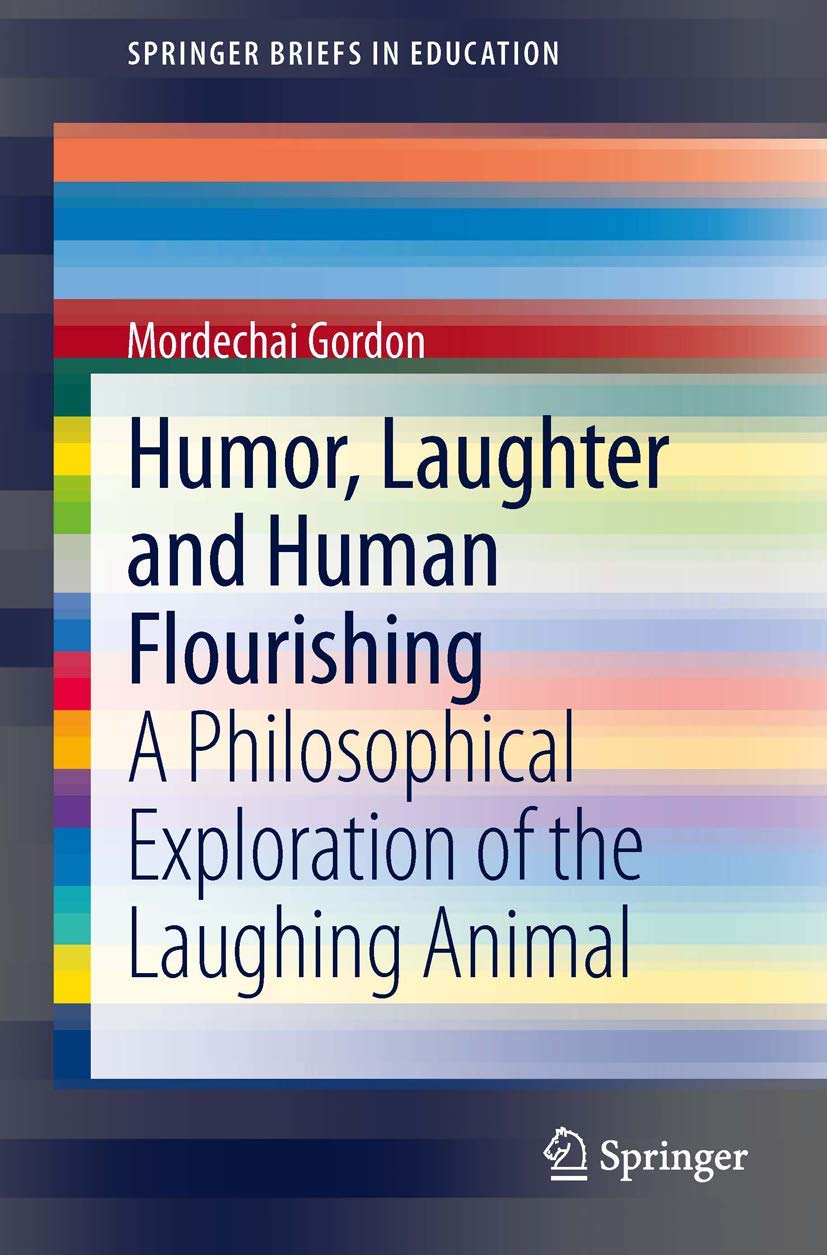
Humor, Laughter and Human Flourishing - Philosophical
Humor, Laughter and Human Flourishing - Philosophical
Price subject to change. Tap below for current.
Couldn't load pickup availability
In this review of Humor, Laughter and Human Flourishing, the bottom line is clear: this is a focused philosophical study for readers who want to understand how humor and laughter contribute to human flourishing and educational thought. Mordechai Gordon takes a disciplined, reflective approach that links laughter to themes like truth, nihilism, friendship and education. The book is best for readers comfortable with conceptual analysis who want a sustained argument about why humor matters; it is less suitable for those seeking empirical psychology or light reading on comedy.
Key Features
- Philosophical focus: The book offers a sustained philosophical investigation that ties humor and laughter to broader human phenomena such as truth and nihilism, helping readers see laughter as philosophically significant.
- Education emphasis: It addresses the relative neglect of humor in philosophy of education, making a case for how humor can inform educational theory and practice.
- Interdisciplinary connections: Gordon examines laughter alongside dreams, intimacy and aesthetic experience so readers gain a multi-faceted view of humor's role in life.
- Human flourishing lens: The text centers on the contribution of humor and laughter to flourishing, offering a value-oriented perspective rather than purely descriptive accounts.
- Thoughtful questions: Central questions about absurdity, humorist thinking and self-transcendence guide the reader through conceptual puzzles and practical implications.
Who It's For
This book is suited to graduate students, academics and thoughtful practitioners in education and philosophy who want a compact, concept-driven account of laughter's significance. Those interested in theory, curriculum design or the ethical and social dimensions of schooling will find useful arguments to integrate into their thinking.
It is not intended for readers seeking empirical studies, quick how-to guides about humor in the classroom, or light popular treatments of comedy; those audiences should look elsewhere for practical exercises or experimental data.
Pros & Cons
Pros
- Provides a focused, rigorous philosophical perspective on humor and laughter that clarifies their educational importance.
- Connects laughter to a wide range of human experiences, from intimacy to aesthetic experience, enriching the conceptual frame.
- Addresses a genuine gap by foregrounding humor in philosophy of education, prompting further scholarship and classroom reflection.
Cons
- The book is primarily philosophical and does not offer empirical research or practical classroom activities, which limits use for those seeking applied methods.
Specifications
| Title | Humor, Laughter and Human Flourishing |
| Subtitle series | SpringerBriefs in Education |
| Author | Mordechai Gordon |
| Subject focus | Philosophy of education, humor and human flourishing |
| Main themes | Truth, nihilism, dreams, friendship, intimacy, aesthetic experience, self-transcendence |
| Approach | Philosophical investigation and conceptual analysis |
Our Verdict
Humor, Laughter and Human Flourishing is a concise, conceptually rich study that belongs on the shelf of anyone exploring the intersection of philosophy and education. Its value lies in reframing laughter as a serious subject for educational thought and human flourishing, making it a worthwhile purchase for scholars and reflective educators even though it offers little in the way of empirical data or lesson plans.
Frequently Asked Questions
Does this book include classroom activities?
No. The book is a philosophical investigation and does not provide practical classroom exercises or empirical studies.
Who is the intended reader?
The primary audience is scholars, graduate students and educators interested in philosophy of education and the conceptual significance of humor.
What topics does it connect laughter to?
The author connects laughter to truth, nihilism, dreams, friendship, intimacy, aesthetic experience and self-transcendence.
Editor's Take
A concise, conceptually rich philosophical study that reframes laughter as significant for education and human flourishing; recommended for scholars and reflective educators despite limited practical guidance.

Recently viewed
Recently viewed products will appear here as customers browse the store.