

Hunger and Shame - Ethnographic Study of Child Malnutrition
Hunger and Shame - Ethnographic Study of Child Malnutrition
Price subject to change. Tap below for current.
Couldn't load pickup availability
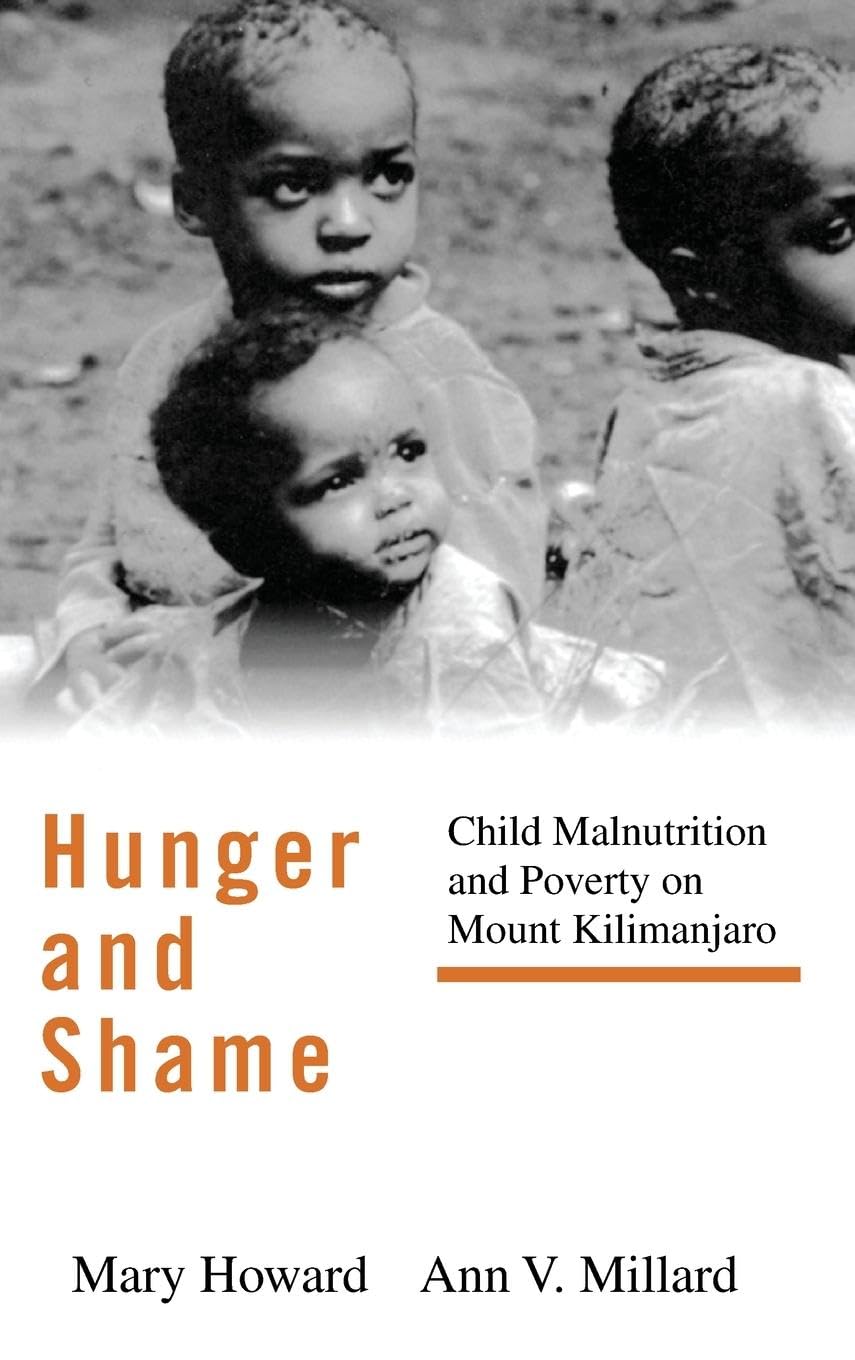
In this review of Hunger and Shame the reviewer finds a focused, morally-engaged ethnography that will matter to readers seeking a deep account of child malnutrition within a specific social context. Written by Mary Howard and Ann V. Millard, the book probes the attitudes, institutions and histories that shape why malnutrition persists among the Chagga in Mt. Kilimanjaro, Tanzania. Its single biggest reason to buy is the way it connects individual stories to larger ethical and political questions, making complex issues accessible without diluting their human cost.
Key Features
- Ethnographic focus: Detailed accounts of family members, health workers and officials provide grounded insight into daily decisions that affect child nutrition.
- Contextual analysis: The authors link local shame to social organization, colonial history and wider economic forces, helping readers see structural roots of malnutrition.
- Multiple perspectives: Voices from across the community illuminate competing moral views and dilemmas rather than presenting a single authoritative judgement.
- Readable scholarship: The narrative balances academic analysis with human stories so that non-specialist readers can follow ethical and policy implications.
- Ethics and politics: Discussion challenges readers to consider responsibilities, blame and the politics of poverty in both local and global terms.
Who It's For
Hunger and Shame is best for students and professionals in public health, medical anthropology and pediatrics who want a case study linking malnutrition to social and historical forces. It will also suit clinicians and development workers who value ethnographic insight into how shame shapes care-seeking and community responses.
Readers seeking a practical clinical manual, step-by-step treatment protocols, or broad global nutrition statistics should look elsewhere, since the book is primarily interpretive and focused on the Chagga community rather than offering generalized clinical guidelines.
Pros & Cons
Pros
- Careful first-hand ethnography brings lived experience of child malnutrition into clear view.
- Connections to colonial history and the global economy deepen understanding beyond immediate causes.
- Multiple voices and institutional perspectives reveal the complex interplay of shame, policy and family life.
Cons
- The book does not serve as a clinical reference or a source of standardized treatment protocols, limiting use for practitioners needing hands-on guidance.
Specifications
| Title | Hunger and Shame |
| Authors | Mary Howard, Ann V. Millard |
| Subject | Child malnutrition; social and ethical analysis |
| Setting | Chagga community, Mt. Kilimanjaro, Tanzania |
| Approach | Ethnography with interviews of families, health workers and officials |
| Themes | Shame, social organization, colonial history, global economy |
Our Verdict
Hunger and Shame is a valuable, thought-provoking study for readers who want to understand how social meaning and institutional arrangements sustain child malnutrition in a particular community. It offers strong analytic payoff for students, anthropologists and public health professionals, and represents good value for anyone seeking nuance over quick fixes.
Frequently Asked Questions
Does this book provide clinical treatment guidance?
Answer. No; the book is interpretive ethnography focused on social causes and meanings rather than clinical protocols.
What population does the book examine?
Answer. It examines child malnutrition among the Chagga people in the Mt. Kilimanjaro region of Tanzania.
Who wrote the accounts included in the book?
Answer. The authors draw on interviews and observations from family members, health workers and government officials to present multiple perspectives.
Editor's Take
Hunger and Shame is a thoughtful ethnography that links child malnutrition among the Chagga to shame, social structures and historical forces; recommended for students, anthropologists and public health professionals seeking nuanced context rather than clinical guidance.

Recently viewed
Recently viewed products will appear here as customers browse the store.