

Hydraulic Control Systems: Theory And Practice - Practical Engineering
Hydraulic Control Systems: Theory And Practice - Practical Engineering
Price subject to change. Tap below for current.
Couldn't load pickup availability
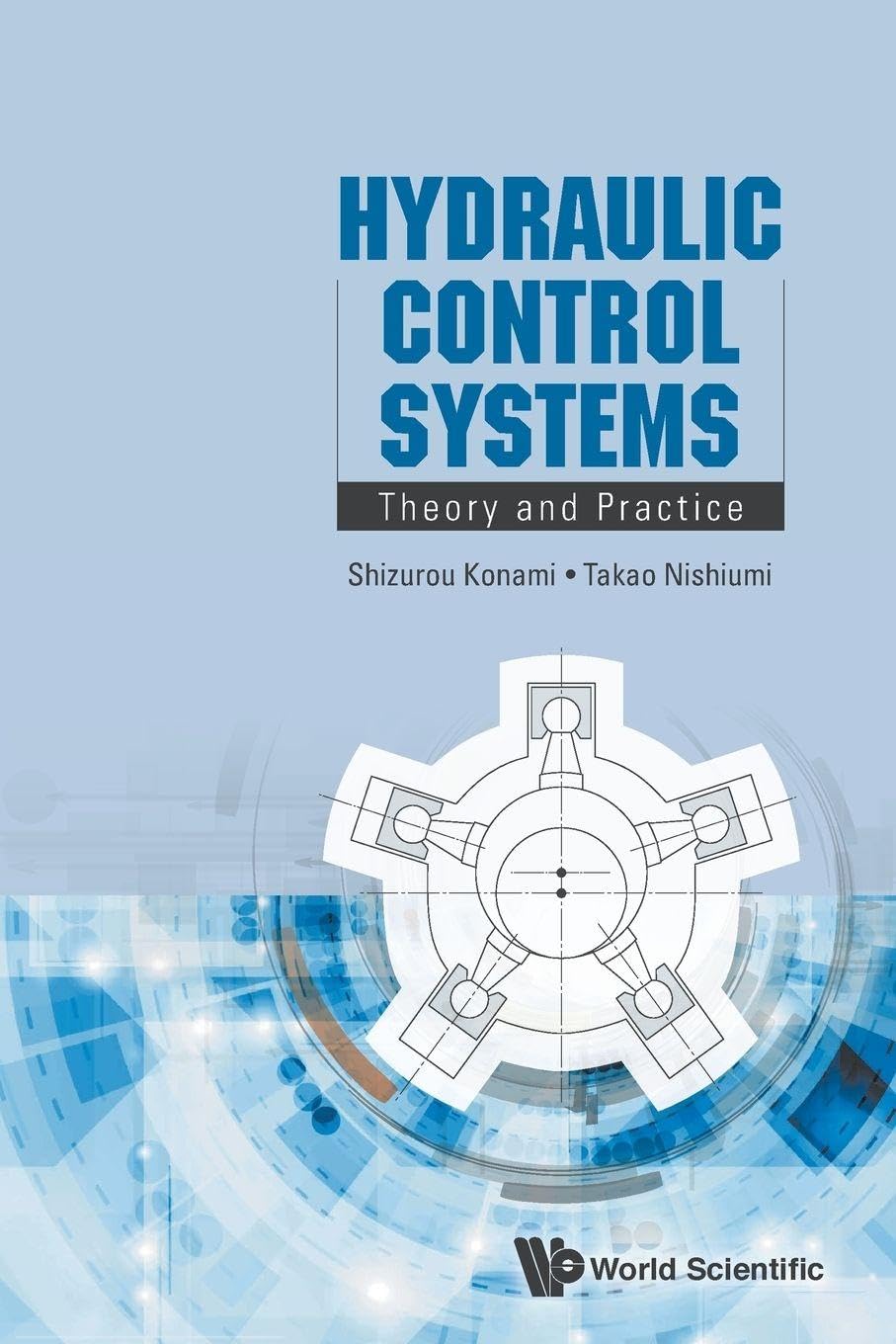
In this review of Hydraulic Control Systems: Theory And Practice the bottom line is clear: this book is for mechanical engineers, technicians and students who need a solid, application-focused grounding in hydraulic energy transmission and control. The book explains how a prime mover's mechanical energy becomes controlled fluid energy and then useful mechanical work, with emphasis on high power density and precise response. Readers seeking practical explanations tied to fluid mechanics and control theory will find the coverage directly useful for aircraft, ship, construction machinery and machine tool applications.
Key Features
- Comprehensive overview: Explains the full cycle from mechanical input to fluid energy and back to mechanical work, useful for systems-level understanding.
- Focus on control: Emphasizes sensitive response and precision of control, which helps readers grasp why hydraulics are chosen for high-performance machinery.
- Engineering context: Connects hydraulic technology to fluid mechanics and control theories, making it relevant for broader engineering study and practical design.
- Wide application coverage: Discusses uses in aircraft, ships, construction machinery and machine tools so readers can relate theory to industry scenarios.
- Practical orientation: Stresses why hydraulic systems are indispensable for mechanical engineers, aiding transition from theory to workplace tasks.
Who It's For
The book is best for mechanical engineering students, practicing engineers and technicians who need a practical, systems-oriented reference on hydraulic power transmission and control. Its emphasis on precision of control and application examples makes it particularly useful for those working on systems where high power density and sensitive response are required.
It is less suitable for readers seeking a purely academic math-heavy treatment or a beginner's primer with extensive step-by-step lab exercises; those audiences may want a supplemental textbook or hands-on manual to accompany this more theory-and-practice focused text.
Pros & Cons
Pros
- Provides a clear systems perspective linking mechanical input, fluid energy and output work.
- Highlights control theory and fluid mechanics connections, aiding deeper engineering understanding.
- Relevant across multiple industries, so it serves as a cross-disciplinary reference.
Cons
- Not tailored as a beginner lab manual, so novices may need additional hands-on resources.
Specifications
| Title | Hydraulic Control Systems: Theory And Practice |
| Authors | Shizurou Konami, Takao Nishiumi |
| Subject | Hydraulic systems, fluid mechanics and control theory |
| Primary focus | Energy transmission and precision control in hydraulic systems |
| Applications | Aircraft, ships, construction machinery, machine tools |
| Intended audience | Mechanical engineers, students and technicians |
Our Verdict
Hydraulic Control Systems: Theory And Practice is a strong, practical reference for engineers and advanced students who need to understand how hydraulic energy is generated, controlled and applied. Its application-driven emphasis on control and system behavior makes it good value for professionals aiming to design or troubleshoot hydraulic installations in heavy machinery and transport systems.
Frequently Asked Questions
Does this book cover control theory for hydraulics?
Yes, it links hydraulic technology to control theories and fluid mechanics to explain sensitive response and precision of control.
Who benefits most from this book?
Mechanical engineers, technicians and advanced students working on aircraft, ships, construction machinery or machine tool hydraulics will benefit most.
Is it a hands-on lab manual?
No, the book is theory-and-practice oriented and readers seeking step-by-step lab exercises should use a supplemental practical manual.
Editor's Take
Hydraulic Control Systems: Theory And Practice is a practical, application-driven reference that explains how hydraulic energy is generated, controlled and used; ideal for mechanical engineers and advanced students needing systems-level understanding.

Recently viewed
Recently viewed products will appear here as customers browse the store.