

Hypnosis: Trance as a Coping Mechanism - Clinical Psychiatry
Hypnosis: Trance as a Coping Mechanism - Clinical Psychiatry
Price subject to change. Tap below for current.
Couldn't load pickup availability
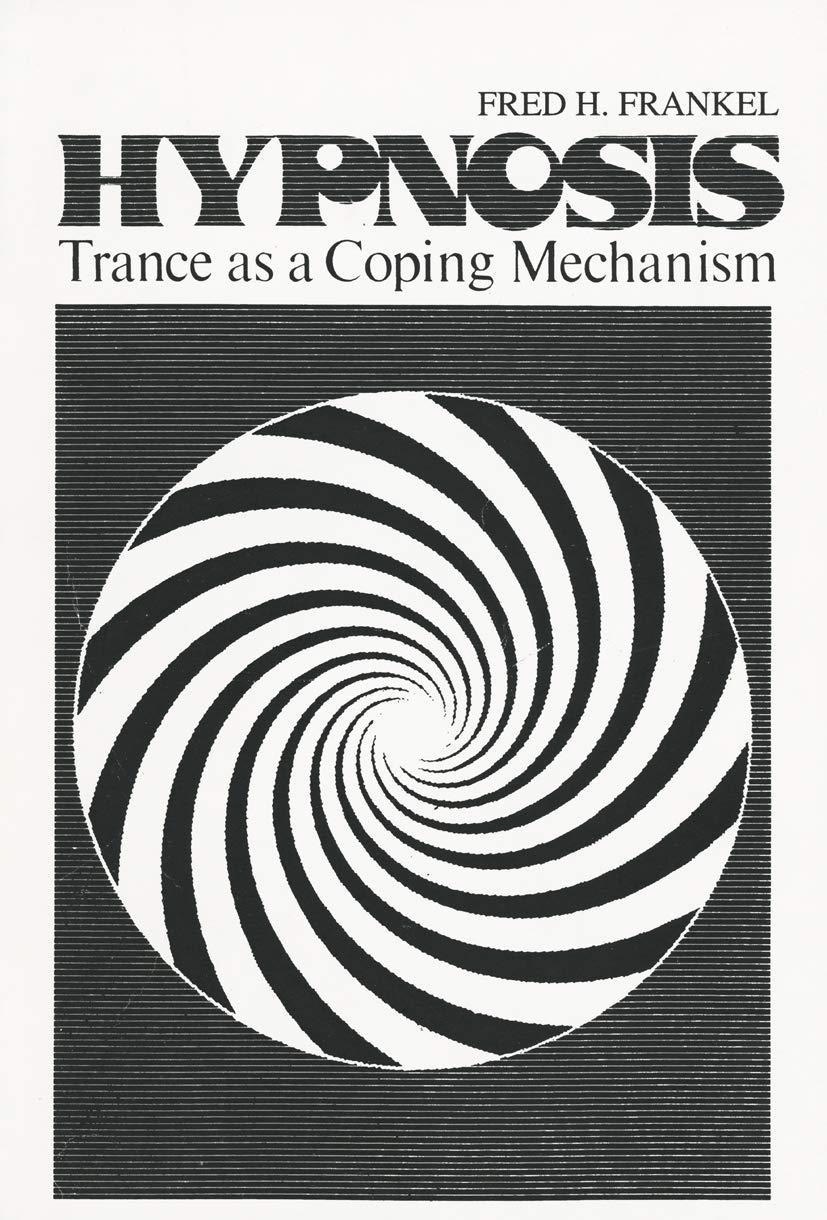
In this review of Hypnosis: Trance as a Coping Mechanism, the book is presented as a focused scholarly examination useful to clinicians and students seeking historical and clinical context for hypnotic methods. The bottom line: this volume is best for readers who want a serious, historically informed account of hypnotism's role in psychiatry rather than a how-to manual. It traces nineteenth century foundations and the emergence of clinical uses, so readers expecting practice protocols or contemporary randomized data should temper expectations.
Key Features
- Historical perspective: Provides a detailed account of the early claims about hypnotism and its development in clinical psychiatry, helping readers understand how modern theories evolved.
- Clinical relevance: Describes how pioneers such as Charcot used hypnosis as an investigative tool, offering context for clinicians exploring therapeutic roots.
- Theoretical linkage: Explores the discovery of unconscious pathogenic ideas in hysterical symptoms, which supports later theoretical formulations in psychiatry.
- Scholarly tone: Written as a Topics in General Psychiatry volume, it presents material suitable for academic readership and reflective clinical study.
- Concise scope: Focuses on the role of trance as a coping mechanism and the investigative uses in major hysteria, making it easier to read for targeted study.
Who It's For
This book is aimed at psychiatry trainees, clinicians with an interest in the history of treatment, and scholars who want a compact review of how hypnotism informed early clinical models. It will appeal to those studying the development of psychoanalytic and neuropsychiatric ideas and to libraries collecting medical histories.
It is not designed as a practical therapist manual for learning induction techniques or for readers seeking step-by-step contemporary clinical protocols. Those requiring current evidence-based treatment guidelines should consult modern clinical handbooks.
Pros & Cons
Pros
- Well-grounded historical analysis that clarifies how hypnotism became part of psychiatric inquiry.
- Useful clinical context showing how investigators used trance to study major hysteria.
- Concise academic focus that makes it suitable for coursework and reference.
Cons
- Limited practical guidance for clinicians seeking modern hypnotic techniques or treatment protocols.
Specifications
| Title | Hypnosis: Trance as a Coping Mechanism |
| Series | Topics in General Psychiatry |
| Author | Fred H. H. Frankel |
| Subject focus | History and clinical use of hypnotism in psychiatry |
| Historical scope | Nineteenth century foundations to early clinical developments |
| Clinical emphasis | Use of hypnosis as an investigative tool for major hysteria |
Our Verdict
For readers who want a historically informed, clinically minded overview of hypnotism in psychiatry, this title is a good value: it clarifies the roots of important theoretical ideas without pretending to be a contemporary treatment manual. Purchase it for academic study or clinical context rather than procedural training.
Frequently Asked Questions
Does this book teach hypnotic techniques?
No. The book focuses on historical and clinical analysis rather than step-by-step methods for induction or therapy.
Who authored the volume?
The work is by Fred H. H. Frankel and is presented within the Topics in General Psychiatry series.
Is this suitable for clinical training?
It is suitable as a contextual or historical supplement in training but not as a primary clinical skills textbook.
Editor's Take
A historically informed, clinically focused overview that clarifies hypnotism's role in psychiatry; recommended for students and clinicians seeking context rather than a practical how-to manual.

Recently viewed
Recently viewed products will appear here as customers browse the store.