

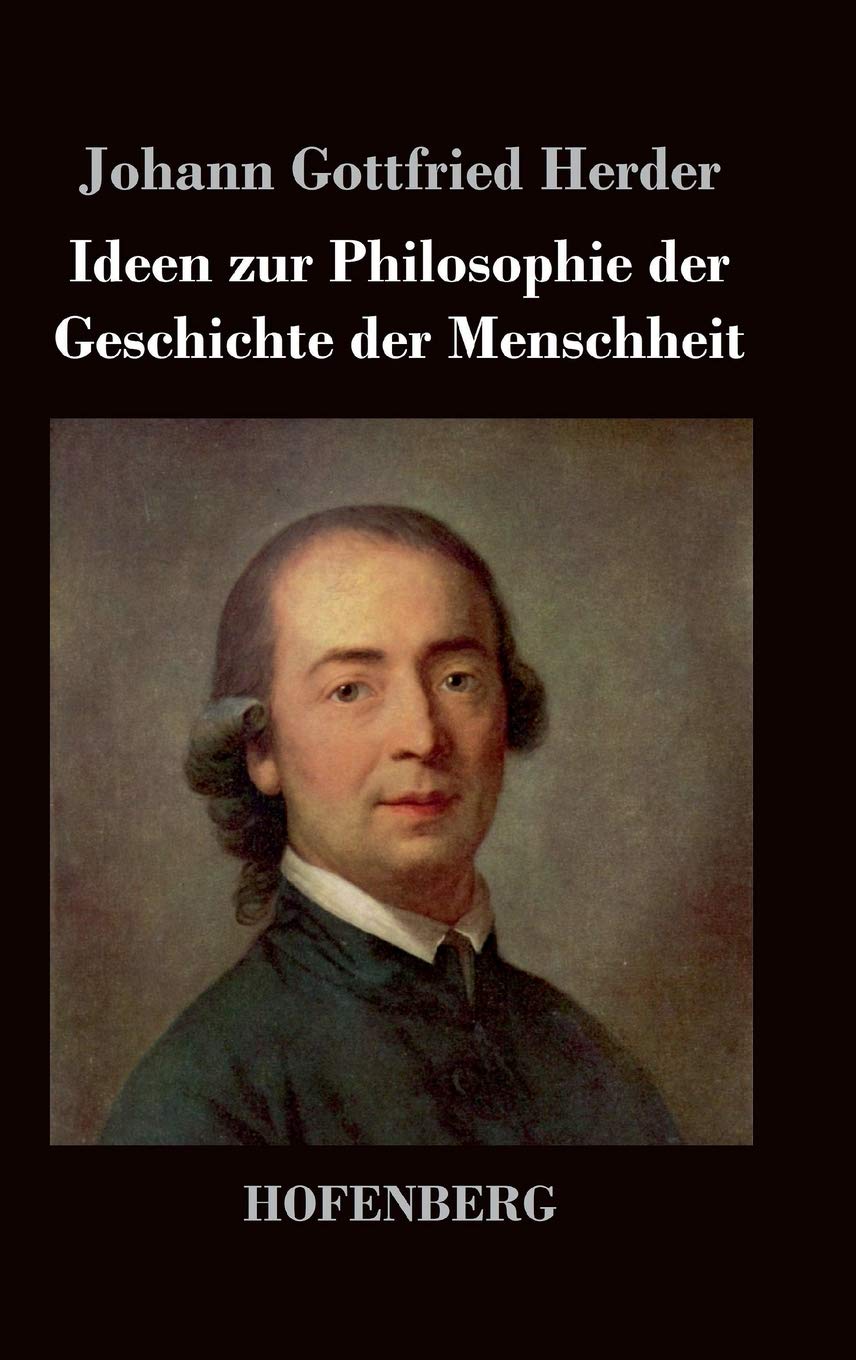
Ideen zur Philosophie der Geschichte der Menschheit - Klassiker der
Ideen zur Philosophie der Geschichte der Menschheit - Klassiker der
Price subject to change. Tap below for current.
Couldn't load pickup availability
In this review of Ideen zur Philosophie der Geschichte der Menschheit the reviewer finds a foundational work for readers interested in the intellectual history of the Enlightenment and German philosophy. Johann Gottfried Herder presents a sweeping Geschichtsphilosophie that places the formation of Humanitat at the center of human existence, arguing that religion, reason and freedom shape cultural development. This edition, edited by Karl-Maria Guth and reissued in Berlin 2017 with a biography, is recommended for students, scholars and thoughtful readers who want a primary text that influenced later debates about culture and history.
Key Features
- Comprehensive theory: Herder develops a cohesive philosophy of history that sees human development as oriented toward the cultivation of humaneness and culture.
- Historical context: The work was written between 1782 and 1788 and reflects late 18th century intellectual currents important to Enlightenment studies.
- Original publication chronology: The text documents its first prints across the 1780s and early 1790s, helping readers trace Herder's evolving argument over successive volumes.
- Editorial material: This reissue includes a biographical introduction and scholarly editing by Karl-Maria Guth that aids modern readers in understanding the work's significance.
- Language and edition: Presented in the original German, this edition preserves Herder's voice and terminology for philological and contextual study.
Who It's For
Scholars of philosophy, history and German literature who require a primary source for the study of Enlightenment ideas will benefit most from this edition, as will graduate students preparing close readings or dissertations. The combination of Herder's original text and editorial notes makes it suitable for seminar use and for anyone tracing the intellectual lineage of theories about culture and religion.
Readers looking for a brief overview or a simplified introduction to philosophy of history should look elsewhere; the text is dense, historically anchored and best approached by those willing to engage with 18th century German prose and scholarly commentary.
Pros & Cons
Pros
- Groundbreaking perspective that situates Humanitat as the telos of human development, useful for deep theoretical study.
- Careful editorial work and a biographical essay provide helpful context for modern readers.
- Original German edition preserves authorial nuance for accurate interpretation.
Cons
- The prose and historical references can be challenging for readers without background in 18th century thought, which limits accessibility.
Specifications
| Author | Johann Gottfried Herder |
| Title | Ideen zur Philosophie der Geschichte der Menschheit (German Edition) |
| Editor | Karl-Maria Guth |
| Original composition | Written between 1782 and 1788 |
| First prints | Parts published 1784, 1785, 1787, 1791 |
| Reissue | Berlin 2017 with biography |
Our Verdict
For those studying Enlightenment philosophy, cultural theory or the historical role of religion, this edition of Herder's Ideen is a valuable primary source that rewards careful reading. The scholarly editing and biographical material add clear value, though the density of the original German prose means it is most cost effective for committed students and researchers rather than casual readers.
Frequently Asked Questions
Is this edition in German?
Yes, this is the German edition preserving Herder's original language and terminology.
Does the book include modern commentary?
Yes, the 2017 reissue is edited by Karl-Maria Guth and includes a biographical introduction to aid interpretation.
When were the original parts published?
The parts first appeared in 1784, 1785, 1787 and 1791, with plans for a fifth part left unfinished.
Editor's Take
This edition of Herder's Ideen zur Philosophie der Geschichte der Menschheit is a valuable primary text for students and scholars of Enlightenment thought, offering original German prose and useful editorial context, though its density makes it best suited to committed readers.

Recently viewed
Recently viewed products will appear here as customers browse the store.