

Ideology and Linguistic Theory - History of Linguistic Thought
Ideology and Linguistic Theory - History of Linguistic Thought
Price subject to change. Tap below for current.
Couldn't load pickup availability
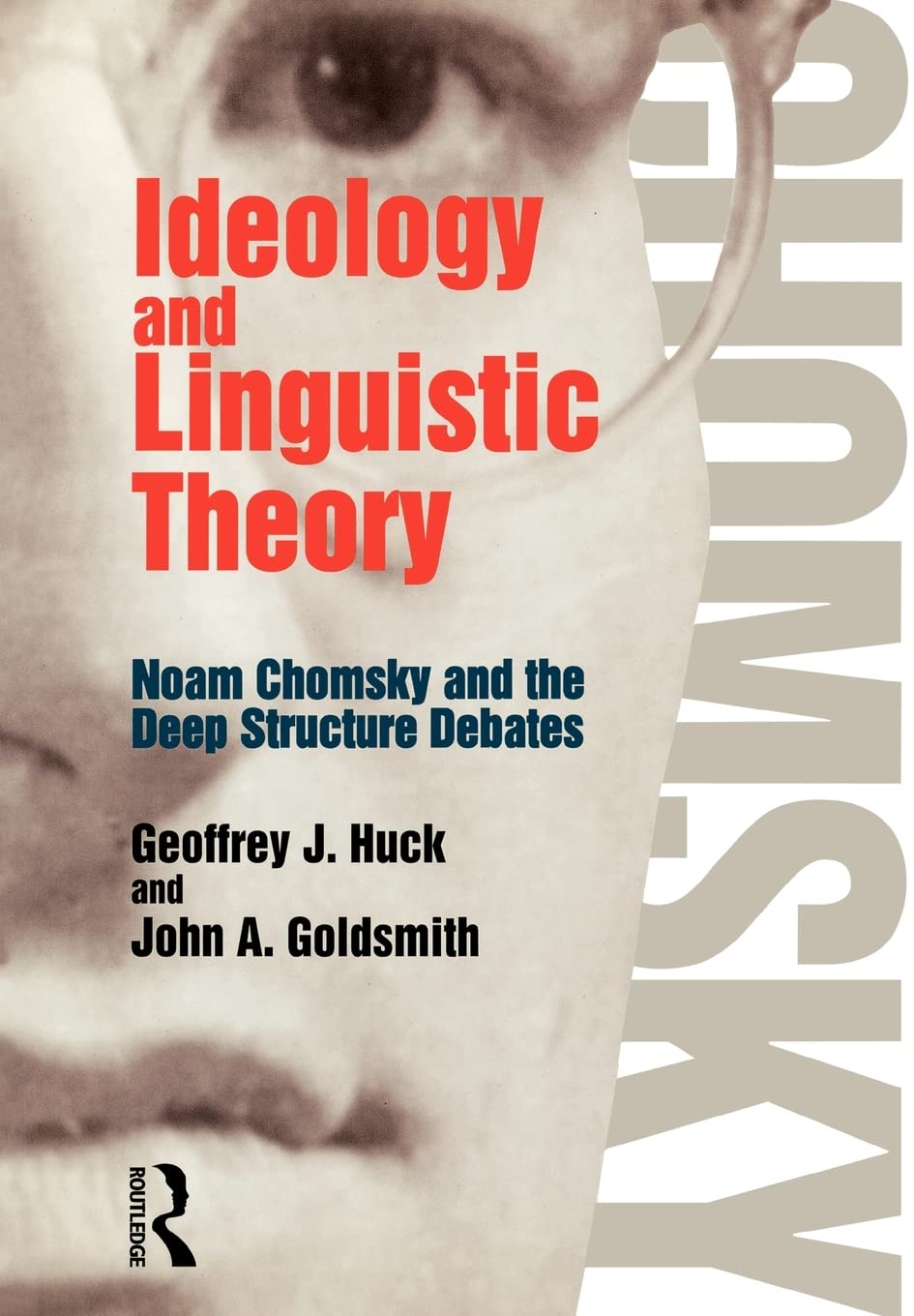
Our review of Ideology and Linguistic Theory finds it most useful for readers who want a focused, historical analysis of semantic debates in modern linguistics. Geoffrey J. Huck and John A. Goldsmith present a revisionist narrative that zeroes in on the public dispute between Noam Chomsky and the Generative Semanticists over the notion of Deep Structure, making this book especially valuable for graduate students, researchers, and historians of linguistic thought who need a clear account of that intellectual turning point. The book's strength is its concentrated attention on ideas rather than exhaustive biography, which keeps the discussion tight and argument-driven.
Key Features
- Revisionist account: The text reframes the development of semantic theory to highlight how debates about Deep Structure shaped later theoretical directions.
- Focused scope: Concentrating on the Chomsky versus Generative Semantics rift allows readers to trace a pivotal controversy without unrelated digressions.
- Historical context: Clear situating of semantic debates within the broader history of linguistic thought helps readers understand why the dispute mattered to subsequent theory.
- Accessible analysis: The authors present complex theoretical disagreements in a readable way suitable for advanced students and interdisciplinary scholars.
- Scholarly perspective: The book emphasizes interpretation of ideas over polemics, useful for researchers doing literature reviews or historiography.
Who It's For
This book is best for graduate students in linguistics, instructors preparing a seminar on the history of ideas, and researchers tracing the genealogy of semantic theory. The focused narrative on the debate over Deep Structure makes it a compact resource for anyone writing about mid-20th century theoretical shifts.
Readers seeking a broad survey of world linguistic traditions or an introductory textbook for undergraduates should look elsewhere, as the book presupposes some familiarity with generative grammar and the key figures involved.
Pros & Cons
Pros
- Concentrated revisionist viewpoint clarifies the significance of the Chomsky-Generative Semantics dispute.
- Readable, argument-focused prose that serves historians and advanced students well.
- Useful contextualization that links historical events to later theoretical developments.
Cons
- The narrow focus may feel limiting for readers who want a wider survey of global linguistic thought.
Specifications
| Title | Ideology and Linguistic Theory (History of Linguistic Thought) |
| Authors / Brand | Geoffrey J. Huck and John A. Goldsmith |
| Subject focus | Development of semantics and Deep Structure debates |
| Approach | Revisionist historical analysis |
| Intended audience | Graduate students, researchers, historians of linguistics |
| Geographic category hint | United States; State & Local history context implied |
Our Verdict
Ideology and Linguistic Theory is a compact, thoughtful text for anyone studying the trajectory of semantic theory within modern linguistics. Its focused, revisionist account of the Chomsky versus Generative Semantics dispute makes it good value for graduate courses or research bibliographies, though casual readers seeking a broad introduction may find its scope narrow.
Frequently Asked Questions
Does this book cover the Chomsky versus Generative Semantics conflict?
Yes; the book centers on that very public rift and its implications for the concept of Deep Structure.
Who wrote this book?
The work is by Geoffrey J. Huck and John A. Goldsmith, presented as a revisionist study in the history of linguistic thought.
Is this suitable for undergraduate readers?
It presumes some prior knowledge of generative grammar, so it is better suited to graduate students and researchers than complete beginners.
Editor's Take
A compact, revisionist study that clarifies the Chomsky versus Generative Semantics dispute; ideal for graduate students and researchers who need a focused historical account of semantic theory.

Recently viewed
Recently viewed products will appear here as customers browse the store.