Regular price
$101.00 USD
Price subject to change. Tap below for current.
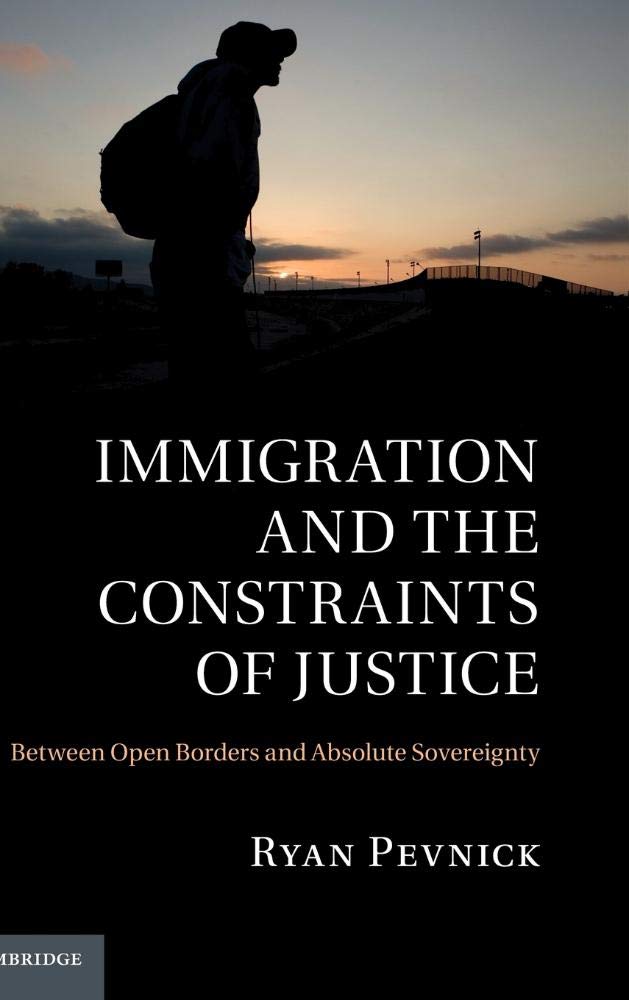
In the thought-provoking book Immigration and the Constraints of Justice, Ryan Pevnick explores the intricate balance between open borders and absolute sovereignty. This work delves into the philosophical underpinnings of immigration policies and their implications on justice.
Pevnick's analysis is both comprehensive and accessible, making it an essential read for anyone interested in the complexities of immigration. The author argues that the current frameworks often fail to address the moral obligations we have towards immigrants, highlighting the need for a more nuanced approach to immigration justice.
Throughout the book, readers will encounter a range of perspectives on the ethical considerations surrounding immigration. Pevnick challenges the notion that absolute sovereignty should dictate immigration policies, advocating instead for a model that recognizes the rights of individuals. This perspective is crucial for understanding the moral dimensions of immigration in today's globalized world.
The book is structured in a way that encourages critical thinking, with each chapter building on the last. Pevnick employs a variety of case studies to illustrate his points, making the theoretical aspects of immigration policy relatable and grounded in real-world scenarios. This approach not only enriches the reader's understanding but also invites them to engage with the material on a deeper level.
One of the standout features of this book is its ability to provoke discussion. Pevnick does not shy away from controversial topics, instead embracing them to foster a dialogue about the future of immigration. His insights into the ethical implications of border control are particularly compelling, urging readers to reconsider their preconceived notions about national sovereignty.
Moreover, the writing style is clear and engaging, making complex ideas accessible to a broad audience. Whether you are a scholar, a student, or simply someone interested in the topic, you will find value in Pevnick's arguments. The book serves as a vital resource for understanding the intersection of justice and immigration in contemporary society.
In conclusion, Immigration and the Constraints of Justice is a must-read for anyone looking to deepen their understanding of immigration issues. Pevnick's work is not only timely but also essential for fostering a more just approach to immigration policy. This book will undoubtedly leave a lasting impact on its readers, encouraging them to think critically about the future of immigration and justice.