

Imperial Designs - Neoconservative Influence on U.S. Foreign Policy
Imperial Designs - Neoconservative Influence on U.S. Foreign Policy
Price subject to change. Tap below for current.
Couldn't load pickup availability
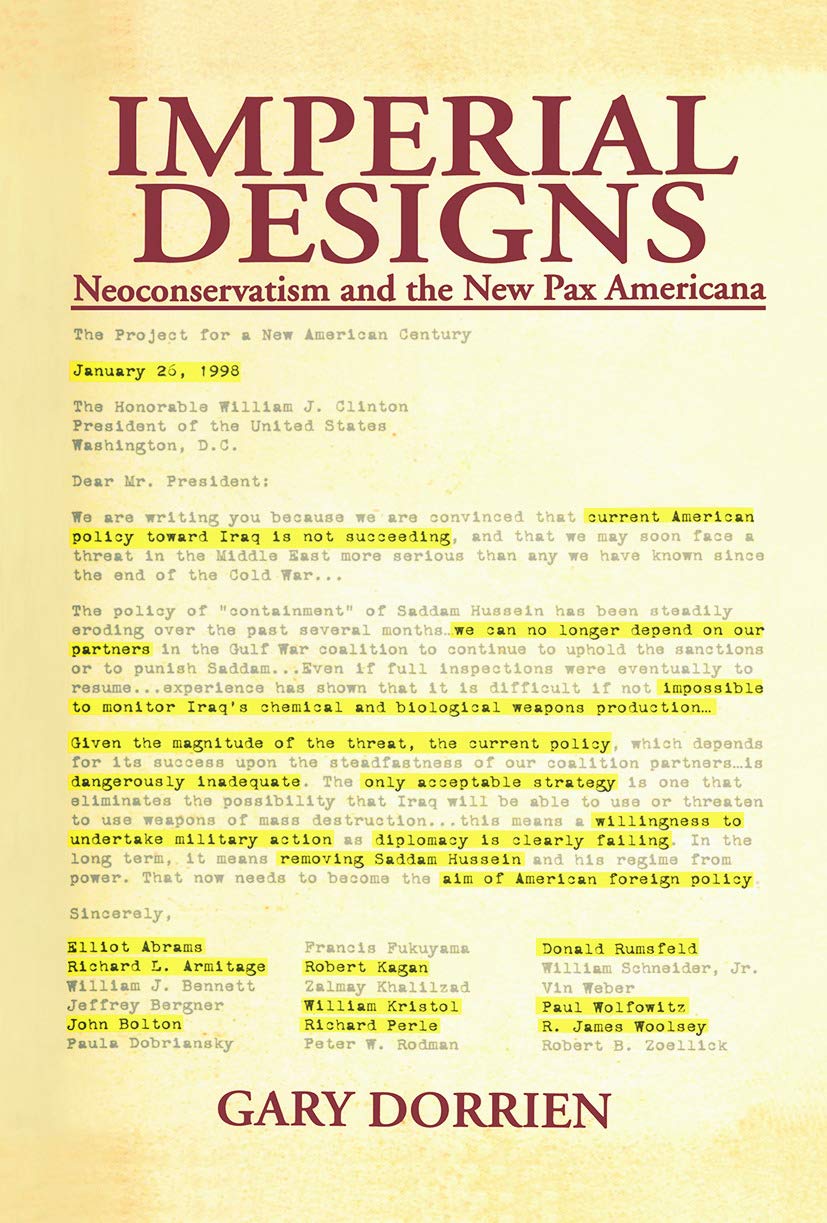
In this review of Imperial Designs, the author Gary Dorrien examines how neoconservative ideas shaped recent American foreign policy and the push for war in Iraq. The bottom line: this book is for readers seeking a critical, historically grounded account of the individuals and doctrines behind the drive for a global Pax Americana, and its biggest reason to buy is the detailed narrative linking key figures to policy outcomes. The review highlights how the work connects intellectual currents to political action and explains why that connection matters for students, historians, and engaged citizens.
Key Features
- Authoritative narrative: Dorrien traces the personal and political trajectories of central neoconservative figures to explain how ideas translated into policy pressure for war.
- Focus on influence: The book demonstrates the scale of neoconservative impact on American foreign policy, making it easier to understand contemporary debates about intervention.
- Historical context: Readers get a clear account of the historical moment in which the push for a global Pax Americana gained momentum, not just isolated events.
- Analytical framing: The text frames neoconservative doctrine as an intentional project, helping readers evaluate motives and consequences rather than only outcomes.
- Readable scholarship: Dorrien balances detailed reporting with accessible prose, allowing both scholars and general readers to follow complex political networks.
Who It's For
Imperial Designs is best suited for students of political science, historians of recent U.S. foreign policy, and readers curious about the intellectual roots of the Iraq war. The book is useful as a supplemental text for courses on modern American political movements or as background reading for anyone researching interventionist doctrine.
Readers seeking a broad survey of global diplomacy without focus on doctrinal actors, or those wanting a policy manual rather than a critical history, should look elsewhere. This work is analytic and critical rather than a neutral compendium of policy options.
Pros & Cons
Pros
- Provides a focused account of how neoconservative thinkers influenced policy, clarifying causal links between ideas and action.
- Offers historical context that illuminates the emergence of a Pax Americana as a political objective.
- Accessible prose makes complex political history readable to non-specialists.
Cons
- The book is interpretive and critical in tone, so readers expecting a neutral or purely empirical narrative may find its arguments assertive.
Specifications
| Title | Imperial Designs |
| Author | Gary Dorrien |
| Subject | Neoconservatism and U.S. foreign policy |
| Focus | Influence of neoconservative figures on Iraq war policy |
| Theme | Establishment of a global Pax Americana |
| Intended audience | Students, historians, engaged citizens |
Our Verdict
Imperial Designs is a valuable, well-argued book for readers who want to understand the intellectual drivers behind recent U.S. interventionist policy. Its detailed portraits of key figures and clear linking of ideas to action make it good value for students and informed readers who need a critical, historically grounded perspective.
Frequently Asked Questions
Does this book explain who the central neoconservative figures were?
Yes, the narrative focuses on the central figures and traces how their influence shaped policy debates and decisions.
Is this a neutral history or an interpretive critique?
The work is interpretive and critical, arguing that neoconservative influence was significant and intentional in pursuing a Pax Americana.
Who will benefit most from reading it?
Students of political science, historians, and engaged citizens seeking a critical account of the intellectual origins of U.S. interventionism will benefit most.
Editor's Take
Imperial Designs is a well-argued, historically grounded critique of neoconservative influence on U.S. foreign policy; valuable for students and readers who want to understand how key actors shaped the push for war in Iraq.

Recently viewed
Recently viewed products will appear here as customers browse the store.