

Indian Corps in France - Detailed Historical Merewether
Indian Corps in France - Detailed Historical Merewether
Price subject to change. Tap below for current.
Couldn't load pickup availability
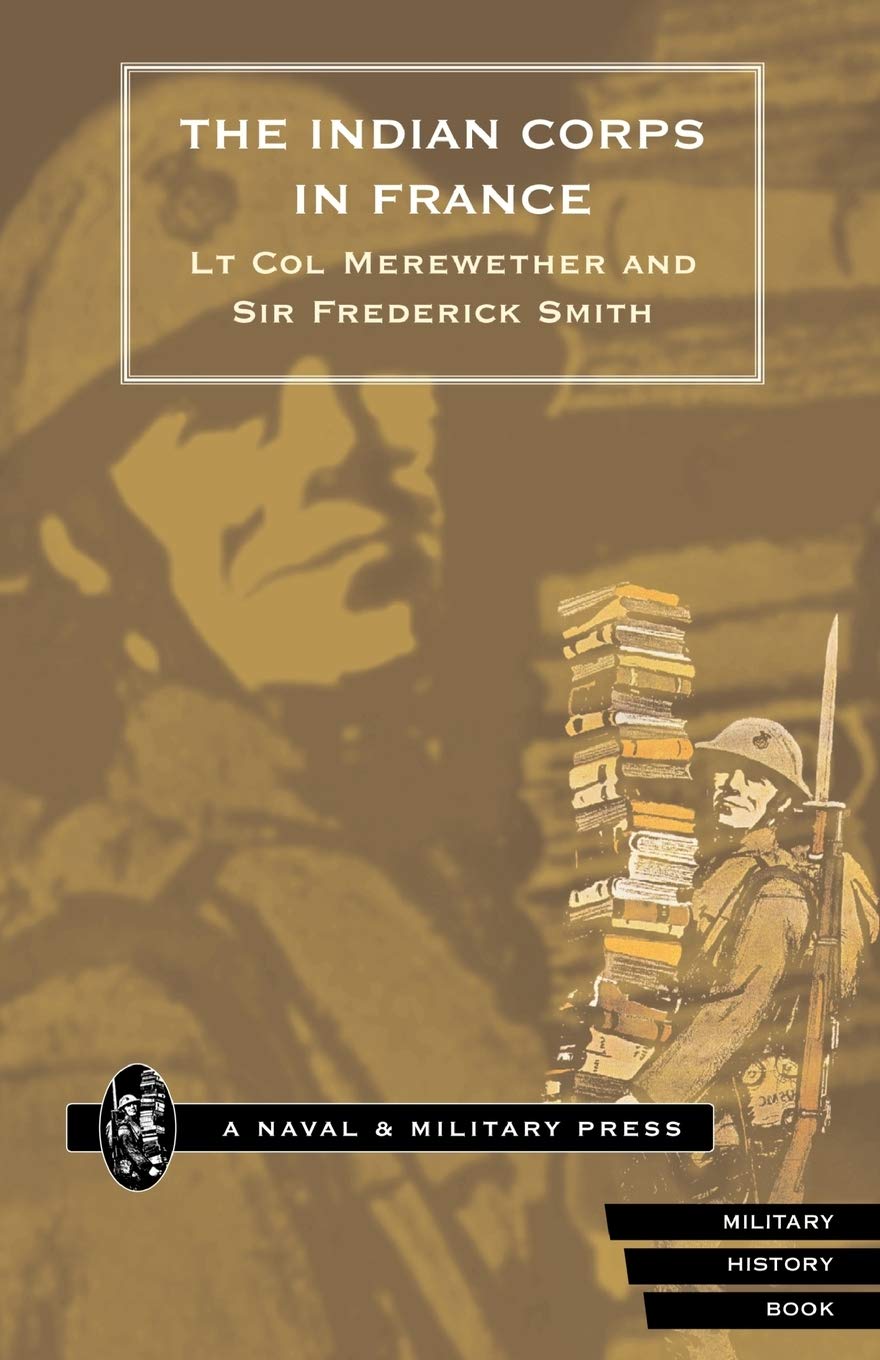
In this review the book Indian Corps in France is presented for readers seeking a focused, documentary account of the Indian Army on the Western Front. The bottom line: this history is best for military historians and readers interested in primary, administrative perspectives because it was published under India Office authority and serves as one of the few formal records of the corps' service in France. It offers firsthand context around deployment, command and theatre transfer rather than a broad social narrative.
Key Features
- Official authority: Published at the request and under the authority of the India Office, the book provides an institutional perspective that benefits readers seeking an authoritative account.
- Unit coverage: Covers the two infantry divisions, Meerut and Lahore, giving specific attention to their arrival and operations on the Western Front in 1914 and 1915.
- Command focus: Describes leadership under Lieutenant-General Sir James Willcocks, clarifying his role as the most senior officer in the BEF after top commanders.
- Operational timeline: Tracks the corps from arrival in September/October 1914 through its transfer at the end of 1915, helping researchers trace unit movements.
- Comparative angle: Places the corps' service in context by noting the later transfer to the Middle East, useful for understanding strategic decisions affecting Indian troops.
Who It's For
The book is aimed at readers of military history, regimental historians, and graduate students who need a source grounded in official records and contemporary memoirs such as General Willcocks own account, With The Indians in France. It is particularly useful to those mapping campaign timelines or studying imperial military administration during World War I.
Readers seeking a richly illustrated, social history or a soldier-level oral history may want to look elsewhere; this volume leans toward a formal record and strategic overview rather than personal diaries or broad cultural analysis.
Pros & Cons
Pros
- Provides an authoritative, official record useful for serious historical research.
- Clear coverage of the Meerut and Lahore divisions and their deployment timeline.
- Explains command structure and the role of Lieutenant-General Sir James Willcocks within the BEF hierarchy.
- Notes the strategic rationale for transferring the corps to a more suitable theatre in the Middle East.
Cons
- The narrative is not a soldier-level social history, so it offers limited personal anecdote or everyday life detail.
- As an official history relying on available records and memoirs, interpretive commentary is restrained rather than expansive.
Specifications
| Title | Indian Corps in France |
| Subject | History of Indian Army units in World War I |
| Divisions covered | Meerut and Lahore |
| Commanding officer | Lieutenant-General Sir James Willcocks |
| Service period in France | Arrived Sept/Oct 1914, served through end of 1915 |
| Post-1915 deployment | Transferred to the Middle East |
| Publication authority | Published at the request and under the authority of the India Office |
Our Verdict
Indian Corps in France is a compact, authoritative record that historians and researchers will value for its official perspective and clear timeline of deployment. It offers good value to anyone who needs a documentary source on the Meerut and Lahore divisions and the leadership of Lieutenant-General Sir James Willcocks, though readers desiring vivid soldier narratives should supplement it with memoirs and personal accounts.
Frequently Asked Questions
Does this book cover individual soldiers experiences?
Answer. The book is primarily an official record and focuses on unit movements and command rather than extensive personal soldier narratives.
Which formations are described in the text?
Answer. The text covers the two infantry divisions sent from India: the Meerut and Lahore divisions, and their service on the Western Front.
Why was the corps transferred in 1915?
Answer. The review notes the corps was moved to the Middle East, considered a more suitable theatre for Indian Army troops after their service on the Western Front.
Editor's Take
Indian Corps in France is an authoritative, documentary history that provides clear timelines and command detail on the Meerut and Lahore divisions, making it valuable for historians and researchers though less focused on individual soldier narratives.

Recently viewed
Recently viewed products will appear here as customers browse the store.