

Infertile Environments: Epigenetic Toxicology and Chinese Reproductive
Infertile Environments: Epigenetic Toxicology and Chinese Reproductive
Price subject to change. Tap below for current.
Couldn't load pickup availability
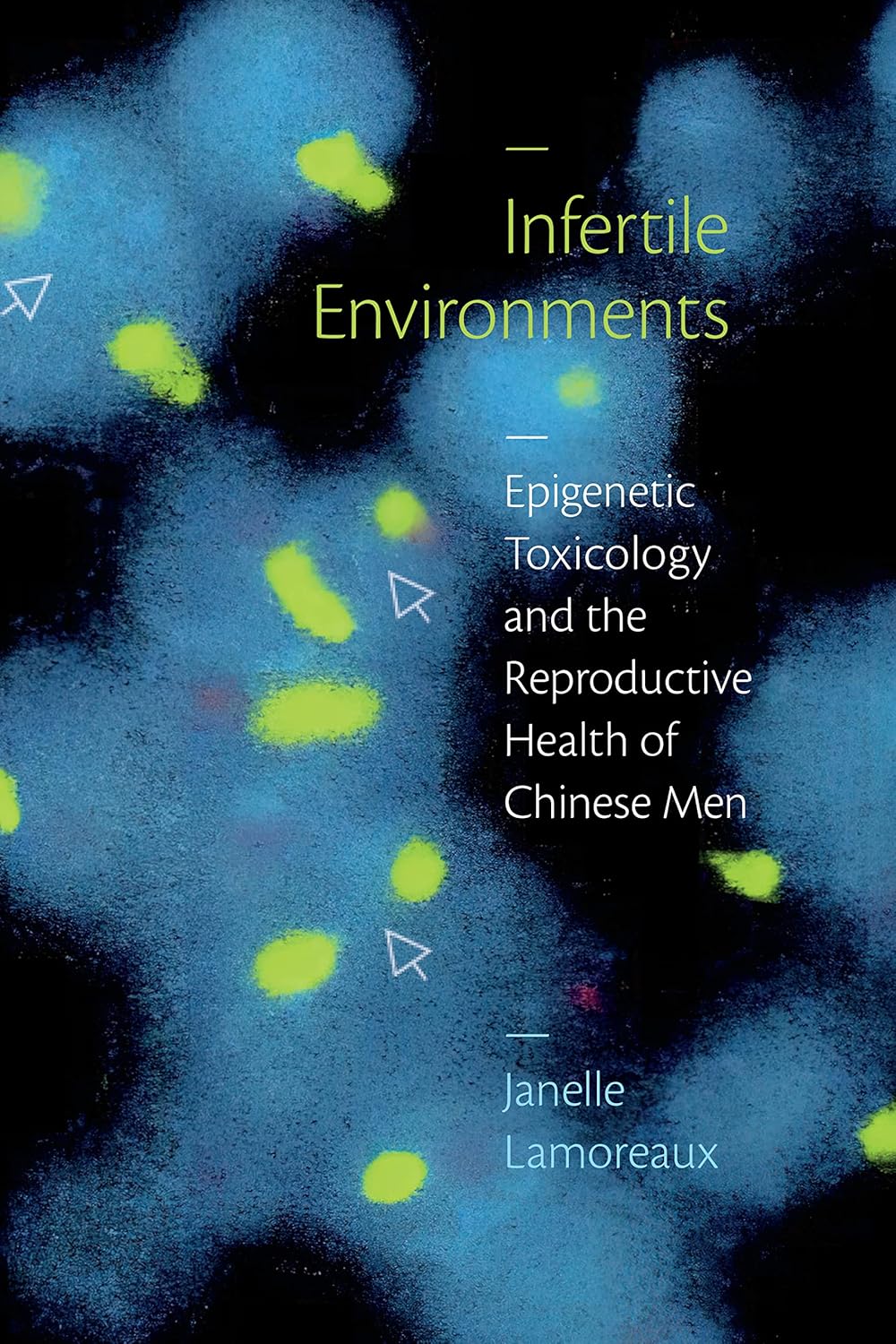
In this review of Infertile Environments, Janelle Lamoreaux offers a careful, fieldwork-driven account of how epigenetic toxicology frames environments and reproductive risk. The book is best for readers who want a grounded anthropological study that links laboratory practice to broader social and political concerns; its single biggest reason to buy is the book's clear demonstration of how everyday lab work shapes ideas about male fertility, diet, hormones, and national policy. Lamoreaux's reporting makes complex concepts accessible without flattening them, and this review highlights the book's value for scholars and informed general readers.
Key Features
- Ethnographic fieldwork: Detailed observations from a Nanjing toxicology lab show how research practices produce specific understandings of environmental harm.
- Epigenetic focus: The book explains how epigenetic research links toxic exposures to changes in male reproductive and developmental health, clarifying mechanisms without excessive technical jargon.
- Historical context: Lamoreaux situates lab research within Chinese history and contemporary concerns about declining fertility, helping readers see long-term continuities.
- Transnational perspective: The narrative connects local laboratory work to international scientific networks, showing how toxicology travels across borders.
- Policy relevance: By tracing reproductive governance and technology, the book illuminates why scientific findings matter for public debate and regulation.
Who It's For
This book is ideal for anthropology students, public health researchers, and readers interested in science studies who want a focused case study of how toxicology shapes notions of environment and fertility. Its ethnographic approach is particularly useful for scholars looking to connect laboratory practice with social policy.
Readers seeking a technical textbook on molecular methods or a broad global survey of toxicology might prefer a different work; Infertile Environments emphasizes social analysis and field observation over laboratory protocols and exhaustive molecular detail.
Pros & Cons
Pros
- Grounded ethnography gives a vivid sense of how labs create categories of risk and environment.
- Clear linkage of epigenetic research to real-world concerns about male reproductive health and policy.
- Incorporates historical and transnational context to broaden the book's analytic reach.
Cons
- Not a methods manual: readers expecting deep technical protocols or laboratory techniques will find the emphasis more anthropological than procedural.
Specifications
| Title | Infertile Environments: Epigenetic Toxicology and the Reproductive Health of Chinese Men |
| Author | Janelle Lamoreaux |
| Primary focus | Epigenetic toxicology and male reproductive health in China |
| Fieldwork location | Nanjing, China toxicology laboratory |
| Approach | Ethnography with historical and transnational analysis |
| Key themes | Fertility trends, reproductive governance, environment and policy |
Our Verdict
Infertile Environments is a strong purchase for readers who want a thoughtful anthropological account of how epigenetic research shapes ideas about environment and male fertility. Its combination of lab-based observation, historical framing, and policy relevance makes it good value for graduate students and researchers seeking qualitative depth rather than technical laboratory instruction.
Frequently Asked Questions
Is this book based on original fieldwork?
Yes. Lamoreaux draws on ethnographic fieldwork in a Nanjing toxicology lab to ground her analysis.
Does the book explain epigenetics in technical detail?
The book explains epigenetic concepts clearly for social science readers but does not function as a laboratory methods manual.
Will the book be useful for policy discussions?
Yes. Its attention to reproductive governance and declining fertility rates links scientific findings to contemporary policy debates.
Editor's Take
Infertile Environments is a thoughtful ethnographic study showing how epigenetic toxicology shapes understanding of male fertility in China; recommended for scholars and policy-focused readers who want qualitative depth.

Recently viewed
Recently viewed products will appear here as customers browse the store.