

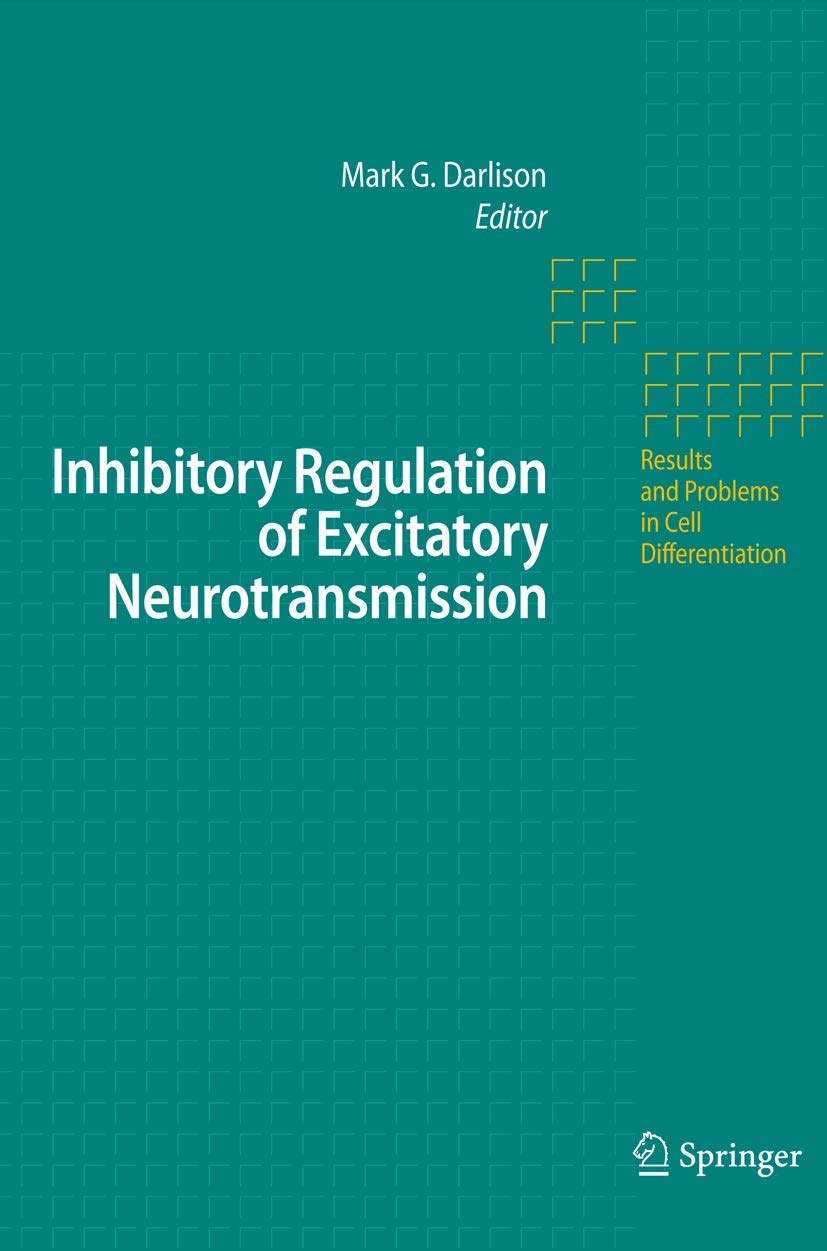
Inhibitory Regulation of Excitatory Neurotransmission - Focused
Inhibitory Regulation of Excitatory Neurotransmission - Focused
Price subject to change. Tap below for current.
Couldn't load pickup availability
Our review of Inhibitory Regulation of Excitatory Neurotransmission finds it most useful for researchers, clinicians and advanced students seeking a focused synthesis of inhibitory systems that shape excitatory signaling. Darlison's volume is strongest as a reference on receptor-level mechanisms and pathophysiological consequences, and the single biggest reason to buy is its concentrated discussion of diverse inhibitory proteins and how their dysfunction alters excitatory neurotransmission. This is a scholarly, technical review rather than a general textbook, and it rewards readers who need mechanistic detail.
Key Features
- Comprehensive receptor review: Examines GABA-A receptor function in detail to clarify mechanisms that control inhibitory tone in the central nervous system.
- Coverage of multiple inhibitory systems: Includes focused chapters on GABA-C receptors, glycine receptors and potassium channels to present complementary inhibitory mechanisms.
- G-protein coupled receptor discussion: Surveys neuropeptide-coupled G-protein pathways that modulate inhibitory signaling and influence excitability.
- Pathophysiology focus: Discusses the consequences of mutations that disrupt inhibitory regulation, helping readers connect molecular changes to network-level effects.
- Therapeutic context: Reviews efforts to target the GABAergic system for therapeutic benefit, useful for translational researchers considering drug strategies.
Who It's For
This volume is aimed at neuroscientists, neurologists and pharmacologists who require a concise, expert-led review of inhibitory regulators of excitatory neurotransmission, particularly at the receptor and channel level. It suits readers preparing literature reviews, designing experiments on inhibitory circuits, or evaluating therapeutic targets in neuropsychiatric and neurological disorders.
It is less suitable for general readers or early undergraduates because the emphasis is technical and assumes familiarity with synaptic physiology and receptor pharmacology. For broad surveys of neuroscience or basic textbooks, readers should look for more introductory material.
Pros & Cons
Pros
- Concise, expert-led synthesis that brings together GABA-A, GABA-C and other inhibitory receptor topics in one place.
- Useful discussion of mutations and pathophysiological consequences linking molecular defects to excitatory dysregulation.
- Practical coverage of therapeutic strategies targeting the GABAergic system for clinicians and translational researchers.
Cons
- Technical depth may limit accessibility for non-specialists seeking an introductory overview.
Specifications
| Title | Inhibitory Regulation of Excitatory Neurotransmission (Results and Problems in Cell Differentiation, 44) |
| Author / Editor | Mark G. Darlison |
| Subject areas | GABA receptors, glycine receptors, potassium channels, GPCRs |
| Focus | Receptor function, mutations, therapeutic targeting of GABAergic system |
| Intended audience | Researchers, clinicians, advanced students in neuroscience and neurology |
| Series | Results and Problems in Cell Differentiation, volume 44 |
Our Verdict
Inhibitory Regulation of Excitatory Neurotransmission is a focused, high-value reference for specialists who need a detailed, receptor-centric account of inhibitory control of excitation and its clinical implications. Buy it if you require mechanistic clarity on GABAergic and related inhibitory systems; skip it if you need an introductory textbook.
Frequently Asked Questions
Does this book cover therapeutic approaches?
The volume reviews efforts to target the GABAergic system and discusses therapeutic strategies in a translational context.
Is this suitable for beginners?
Not ideally; the content is technical and best suited to readers with prior neurophysiology or pharmacology knowledge.
Which inhibitory proteins are discussed?
Chapters cover GABA-A and GABA-C receptors, glycine receptors, potassium channels and G-protein coupled neuropeptide receptors.
Editor's Take
A focused, receptor-centric reference valuable to researchers and clinicians seeking mechanistic clarity on GABAergic and related inhibitory systems; ideal for specialists, not beginners.

Recently viewed
Recently viewed products will appear here as customers browse the store.