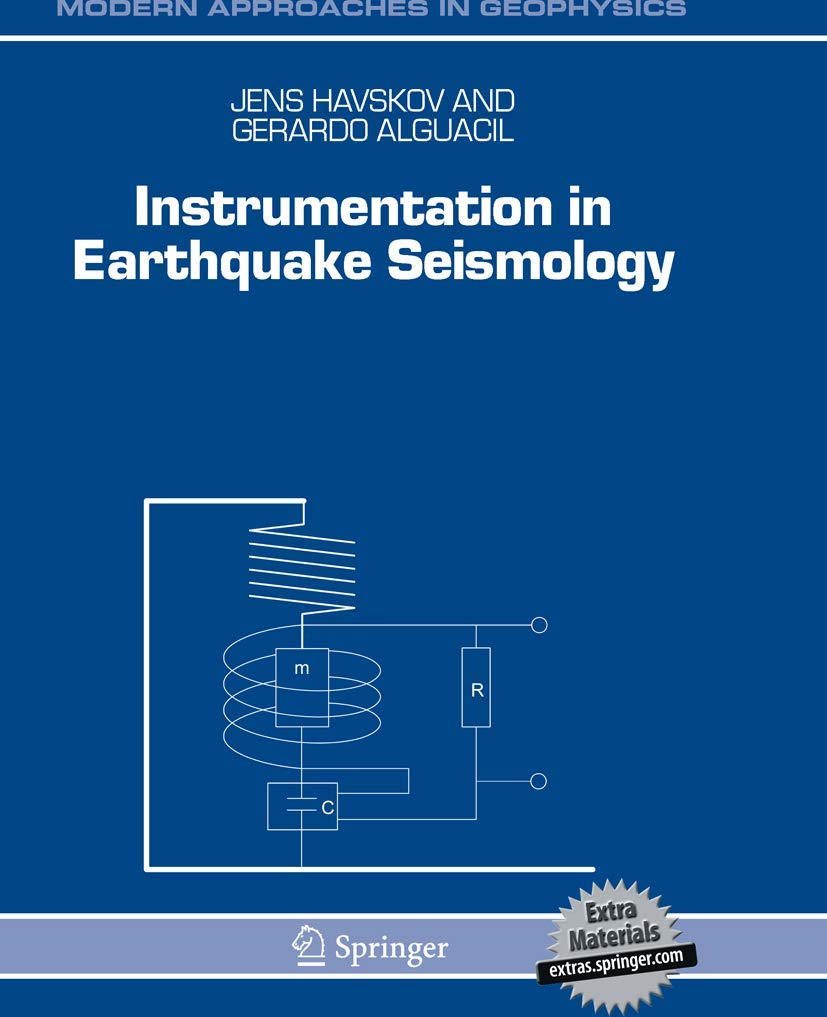
Instrumentation in Earthquake Seismology Techniques and Methods
Instrumentation in Earthquake Seismology Techniques and Methods
Price subject to change. Tap below for current.
Couldn't load pickup availability
The field of earthquake seismology has evolved significantly, and the book Instrumentation in Earthquake Seismology provides a comprehensive overview of the latest techniques and technologies used in this critical area of study. Authored by experts Jens Havskov and Gerardo Alguacil, this text serves as an essential resource for both students and professionals.
This book delves into the various modern approaches in geophysics, focusing on the instrumentation that is pivotal for understanding seismic activities. It covers a wide range of topics, including the design and deployment of seismic networks, data acquisition methods, and the analysis of seismic waves. Each chapter is meticulously crafted to ensure that readers gain a thorough understanding of the principles and practices involved in seismology.
One of the standout features of this book is its emphasis on the latest technologies in seismic instrumentation. The authors discuss advancements such as digital seismographs, accelerometers, and GPS systems, which have transformed the way seismologists collect and interpret data. This information is crucial for improving earthquake prediction models and enhancing public safety.
In addition to technical details, the book also addresses the challenges faced by researchers in the field. Issues such as data quality, network reliability, and the integration of various data sources are explored in depth. By understanding these challenges, readers can better appreciate the complexities involved in earthquake monitoring and research.
The authors also provide case studies that illustrate the practical applications of the discussed instrumentation. These real-world examples highlight how effective seismic monitoring can lead to significant advancements in our understanding of earthquakes and their impacts on society. The book encourages readers to think critically about the role of technology in enhancing our preparedness for seismic events.
Furthermore, the text includes numerous illustrations and diagrams that aid in the comprehension of complex concepts. These visual aids are invaluable for students who are new to the field, as they provide a clear representation of the instrumentation and methodologies discussed throughout the book.
Overall, Instrumentation in Earthquake Seismology is a vital addition to the library of anyone interested in geophysics and seismology. Its thorough exploration of modern instrumentation techniques and the challenges faced by researchers makes it an indispensable resource for both academic and professional audiences. Whether you are a student, educator, or practicing seismologist, this book will enhance your understanding of the critical role that instrumentation plays in earthquake research.
Share