

Integrated M/E Design: Building Systems Engineering - Technical
Integrated M/E Design: Building Systems Engineering - Technical
Price subject to change. Tap below for current.
Couldn't load pickup availability
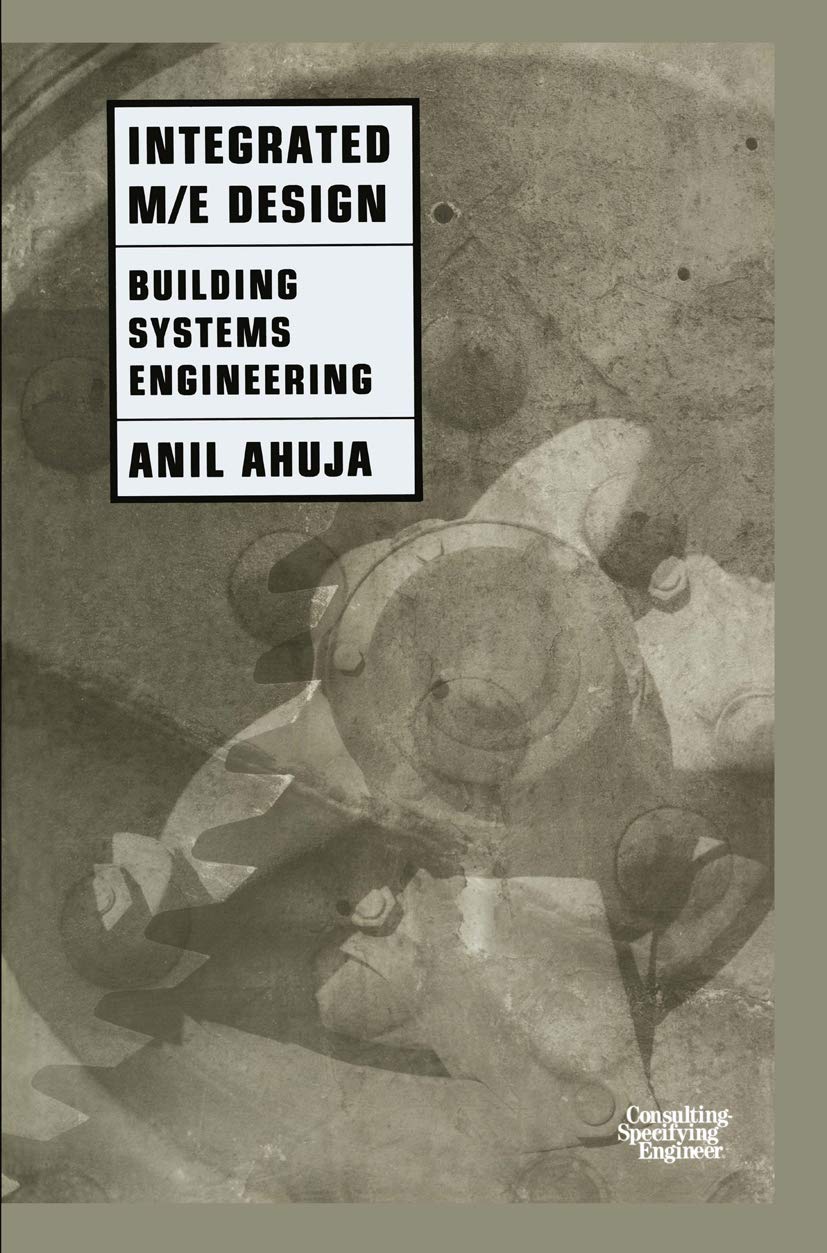
Our review of Integrated M/E Design: Building Systems Engineering finds it to be a disciplined, single-source reference for engineers, architects, and design students who need a practical, systems-level understanding of mechanical and electrical building integration. The book's biggest selling point is its multidisciplinary focus: it explains not only system components but why integration matters for reliability, cost control, and environmental responsibility. This review examines how well the text balances fundamentals, contemporary technology, and site-sensitive design so professionals can apply the ideas to real projects.
Key Features
- Multidisciplinary approach: Presents mechanical and electrical topics together so readers can see interactions and avoid siloed design decisions.
- Integration rationale: Explains why systems must be integrated, helping practitioners design for increased reliability and economic benefit.
- Environmental focus: Explores how natural site resources can be integrated with building systems to support sustainable outcomes.
- Contemporary context: Discusses the impact of modern technology on buildings, making the content relevant for current projects and evolving controls.
- Practical reference: Serves as a single-source handbook, useful for quick consultation on core building systems and design choices.
Who It's For
The book is best for mechanical and electrical engineers, building systems designers, and advanced students who need a coherent view of how separate systems interact and how integration supports reliability and cost control. It is also useful to architects and project managers who want a stronger technical grounding in systems-level decisions.
Those seeking highly specialized component specifications, installation step-by-step guides, or a beginner-level primer on basic HVAC or electrical theory may want a more focused text; this volume emphasizes integration and design implications rather than being a how-to installation manual.
Pros & Cons
Pros
- Comprehensive multidisciplinary coverage helps practitioners design with system interactions in mind.
- Clear explanation of integration benefits supports decisions that improve reliability and economics.
- Includes environmental design discussion that ties site resources into system selection and layout.
Cons
- Not a step-by-step installation guide, so it is less suited for tradespeople needing on-site procedures.
Specifications
| Title | Integrated M/E Design: Building Systems Engineering |
| Author/Brand | Anil Ahuja |
| Scope | Multidisciplinary building systems integration and design |
| Focus | Reliability, economics, environmental responsibility, and technology impact |
| Audience | Engineers, designers, architects, advanced students |
| Format | Single-source reference book for design professionals |
Our Verdict
Integrated M/E Design is a solid value for design professionals who need a systems-level handbook that ties mechanical and electrical topics to reliability, cost, and environmental choices. It is not a trade installation manual, but as a reference on integration and contemporary design implications it helps teams make coordinated, long-term decisions.
Frequently Asked Questions
Does this book cover environmental design?
The book specifically explores integrating natural site resources with building systems to support environmentally responsible design.
Is it suitable for beginners?
It is best for readers with some technical background; beginners may find the systems-level focus less of a step-by-step learning resource.
Who is the author?
The work is by Anil Ahuja and functions as a single-source reference for multidisciplinary building systems engineering.
Editor's Take
Integrated M/E Design is a practical systems-level reference that helps engineers and designers understand how integrating mechanical and electrical systems improves reliability, costs, and environmental performance; it is best for professionals rather than hands-on installers.

Recently viewed
Recently viewed products will appear here as customers browse the store.