

Intellectual Property Protection for AI-generated Creations - In-depth
Intellectual Property Protection for AI-generated Creations - In-depth
Price subject to change. Tap below for current.
Couldn't load pickup availability
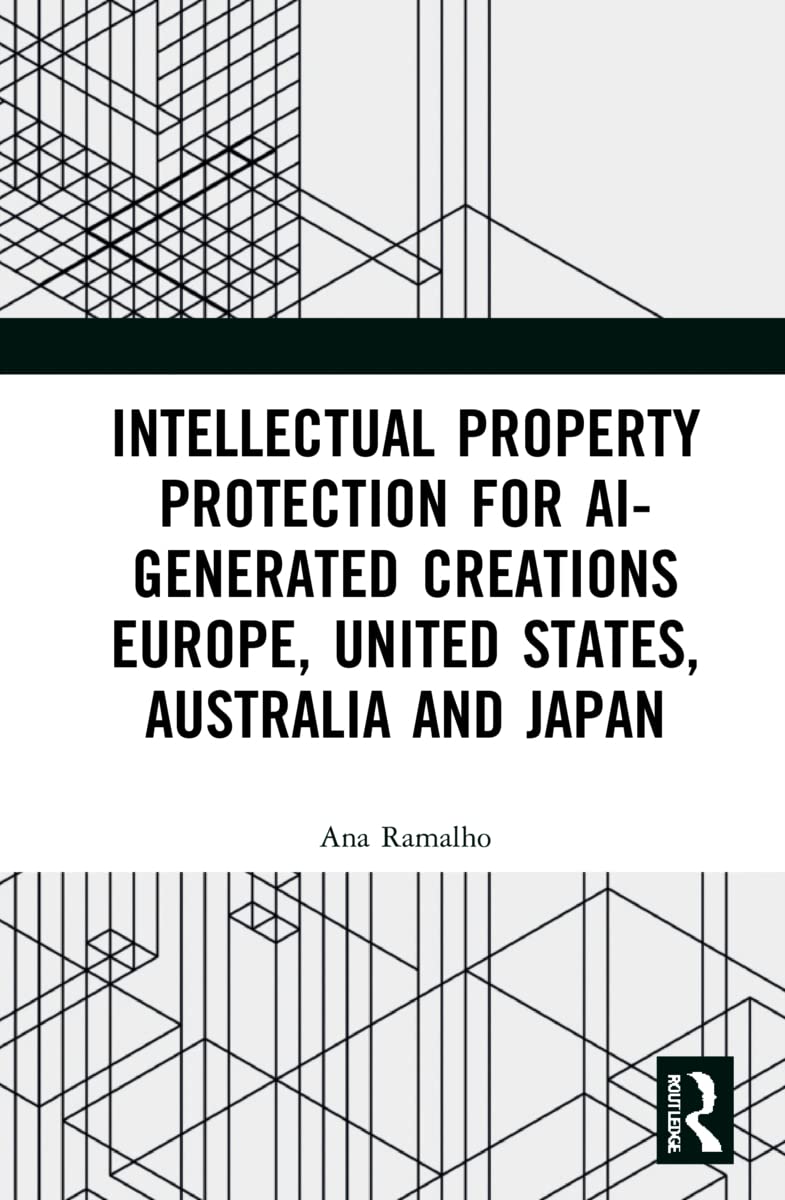
In this review of Intellectual Property Protection for AI-generated Creations the bottom line is clear: this book is for legal scholars, IP practitioners and policy makers who need a focused comparative analysis of how copyright and patent systems respond to artificial intelligence. The single biggest reason to buy is its methodical mapping of four jurisdictions, which gives readers a practical framework to understand whether AI-assisted works and inventions fit existing regimes. The author examines real legal questions without sensationalism, making this a thoughtful, research-driven review selection.
Key Features
- Comparative analysis: The book compares Europe, the United States, Australia and Japan to reveal differences in how each jurisdiction treats AI-involved creations.
- Copyright focus: It explains how copyright regimes assess authorship and originality when artificial intelligence aids or substitutes for human creators.
- Patent considerations: The text analyses patent law approaches to inventions produced with AI participation, highlighting inventor attribution and patentability issues.
- Practical mapping: The author maps legal doctrine and case law to practical questions practitioners will face when evaluating AI-generated output.
- Scholarly tone: The book adopts an analytical, evidence-based style suited to researchers and advanced students rather than casual readers.
Who It's For
This work is primarily aimed at intellectual property lawyers, academics, policy advisors and advanced law students who require a rigorous, jurisdiction-by-jurisdiction understanding of how AI interacts with copyright and patent law. Its comparative approach is especially useful for practitioners working on cross-border matters or advising clients developing AI tools and creative workflows.
Readers seeking a basic primer on artificial intelligence concepts or a how-to guide for everyday creators may find the material dense; general audiences without legal training should look for more accessible introductions to AI and IP before tackling this book.
Pros & Cons
Pros
- Thorough comparative coverage of four major jurisdictions gives a broad, practical perspective useful for cross-border advice.
- Clear treatment of both copyright and patent regimes helps readers see overlaps and distinctions between the two fields.
- Analytical, research-focused writing supports citation and further academic work.
Cons
- The scholarly tone and detailed legal discussion may be challenging for readers without prior IP or legal training.
Specifications
| Title | Intellectual Property Protection for AI-generated Creations |
| Author | Ana Ramalho |
| Primary topics | Copyright and patent law relating to AI |
| Jurisdictions covered | Europe, United States, Australia, Japan |
| Approach | Comparative legal analysis and mapping |
| Intended audience | Legal practitioners, academics, policy makers |
Our Verdict
Intellectual Property Protection for AI-generated Creations is a valuable, well-structured resource for anyone needing a comparative legal account of how AI affects copyright and patents. It offers good value for specialists who require a reliable synthesis of doctrine across Europe, the United States, Australia and Japan, though casual readers may need supplementary, more accessible material first.
Frequently Asked Questions
Does the book cover both copyright and patent issues?
Yes. The author examines how both copyright and patent regimes treat works and inventions where AI plays a role.
Which countries are compared in the analysis?
The book focuses on Europe, the United States, Australia and Japan and compares their legal approaches.
Who will benefit most from reading this book?
Intellectual property lawyers, academics and policy makers will gain the most from its detailed comparative analysis.
Editor's Take
A rigorous comparative account of how copyright and patent laws treat AI-assisted creations; ideal for IP lawyers, academics and policy makers seeking jurisdictional guidance.

Recently viewed
Recently viewed products will appear here as customers browse the store.