

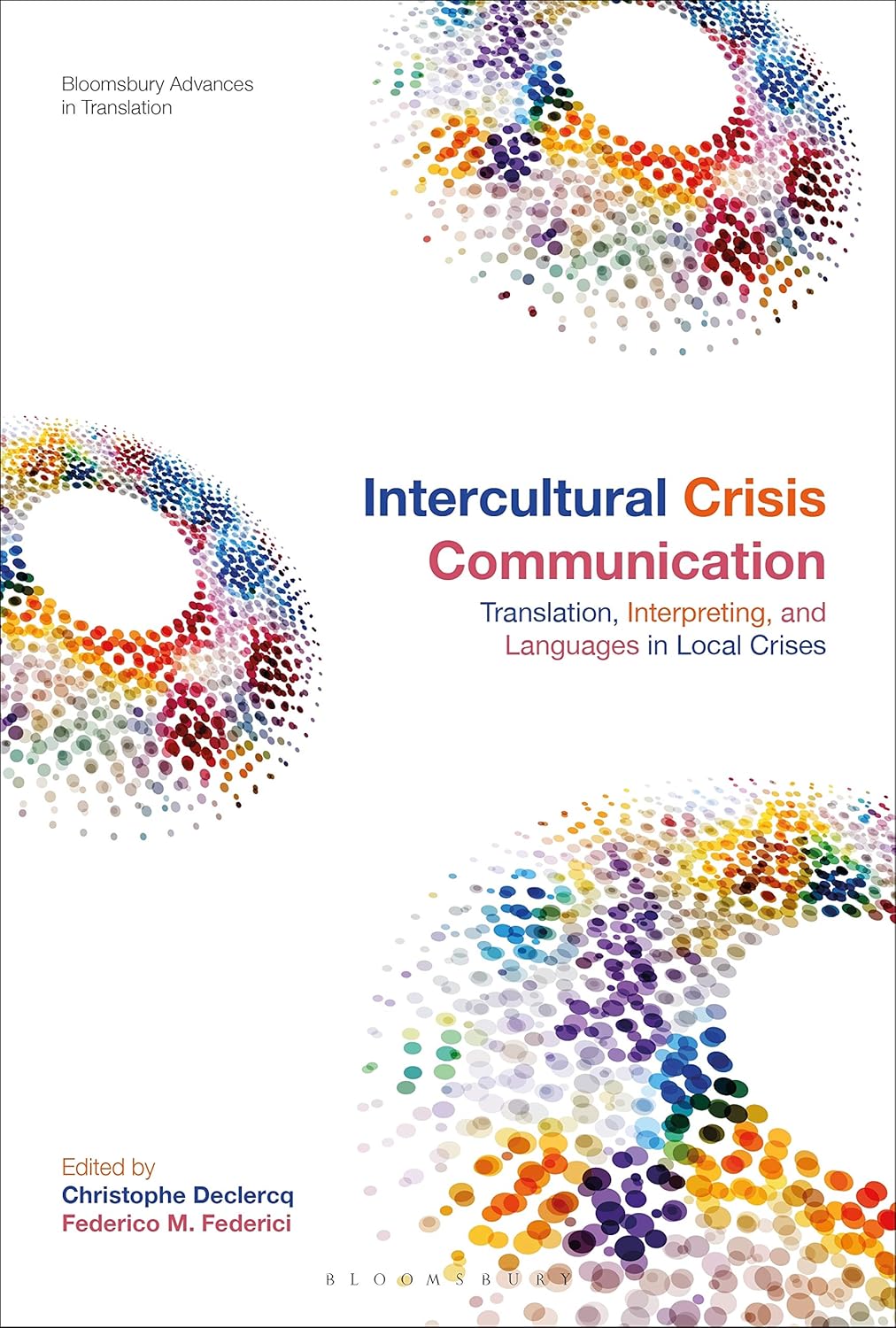
Intercultural Crisis Communication - Translation and Mediation
Intercultural Crisis Communication - Translation and Mediation
Price subject to change. Tap below for current.
Couldn't load pickup availability
In this review of Intercultural Crisis Communication the authors present a thoughtful, field-informed look at how translation, interpreting and language mediation operate in disasters and conflicts. The book is aimed at scholars and practitioners who need concrete, case-based insight rather than abstract theory; its single biggest reason to buy is the steady focus on real-world crisis episodes where language barriers materially affected humanitarian response. The review finds the volume especially useful for teams seeking operational lessons on rare and minority language challenges.
Key Features
- Field-based case studies: Contemporary examples from the USA, Africa, Europe and Armenia illustrate how language mediation shaped crisis outcomes and guide practical decision making.
- Focus on rare languages: Attention to minority and rare language situations shows the precise obstacles they create for humanitarian operations and how to address them.
- Interdisciplinary contributors: Multiple authors bring perspectives from translation studies and applied practice, offering varied methods and recommendations.
- Applied crisis communication: The book frames translation and interpreting as active components of crisis response, useful for planners and responders seeking actionable insight.
- Research gap addressed: It responds to an under-developed area of scholarship by connecting academic study to documented on-the-ground incidents.
Who It's For
This volume is best suited to translators, interpreters, emergency communicators, humanitarian workers and researchers in translation studies who want detailed examples of language mediation in crises rather than purely theoretical treatments. It is particularly valuable for practitioners facing rare or minority language contexts and for course reading in advanced applied linguistics or crisis communication modules.
Readers looking for basic language-learning tools, general disaster management manuals without a linguistic focus, or a quick-reference handbook of procedures should look elsewhere; this book assumes interest in the intersection of language and emergency response and leans on case study analysis.
Pros & Cons
Pros
- Provides concrete, contemporary case studies that connect translation practice to crisis outcomes.
- Highlights the operational significance of rare and minority languages in humanitarian work.
- Brings together multiple expert voices from translation studies and applied practice.
Cons
- Not a step-by-step operational manual, so emergency teams seeking checklists may find it less prescriptive.
Specifications
| Title | Intercultural Crisis Communication: Translation, Interpreting and Languages in Local Crises |
| Series | Bloomsbury Advances in Translation |
| Editors/Authors | Christophe Declercq, Federico M. Federici, Jeremy Munday, Kathryn Batchelor |
| Scope | Language mediation in disaster, emergency and conflict contexts |
| Geographic examples | USA, Africa, Europe, Armenia |
| Primary focus | Rare and minority languages in humanitarian operations |
Our Verdict
Intercultural Crisis Communication is a valuable, well-documented resource for professionals and academics interested in the role of translation and interpreting during crises; it offers practical case-based insight and fills a gap in scholarship, making it good value for those seeking applied knowledge rather than procedural checklists.
Frequently Asked Questions
Does this book include real case studies?
Yes. It presents contemporary case studies from the USA, Africa, Europe and Armenia to illustrate language mediation in crises.
Is it practical for emergency responders?
It is practical in the sense of providing field-informed lessons, but it is not a step-by-step operational manual.
Who are the editors?
The volume is edited by Christophe Declercq, Federico M. Federici, Jeremy Munday and Kathryn Batchelor.
Editor's Take
Intercultural Crisis Communication is a well-documented, case-driven resource for professionals and scholars interested in how translation and interpreting affect humanitarian response; it offers applied insight on rare language challenges and is best for readers seeking field-informed analysis rather than procedural checklists.

Recently viewed
Recently viewed products will appear here as customers browse the store.