

Intercultural Health Communication - Critical Perspectives on Health
Intercultural Health Communication - Critical Perspectives on Health
Price subject to change. Tap below for current.
Couldn't load pickup availability
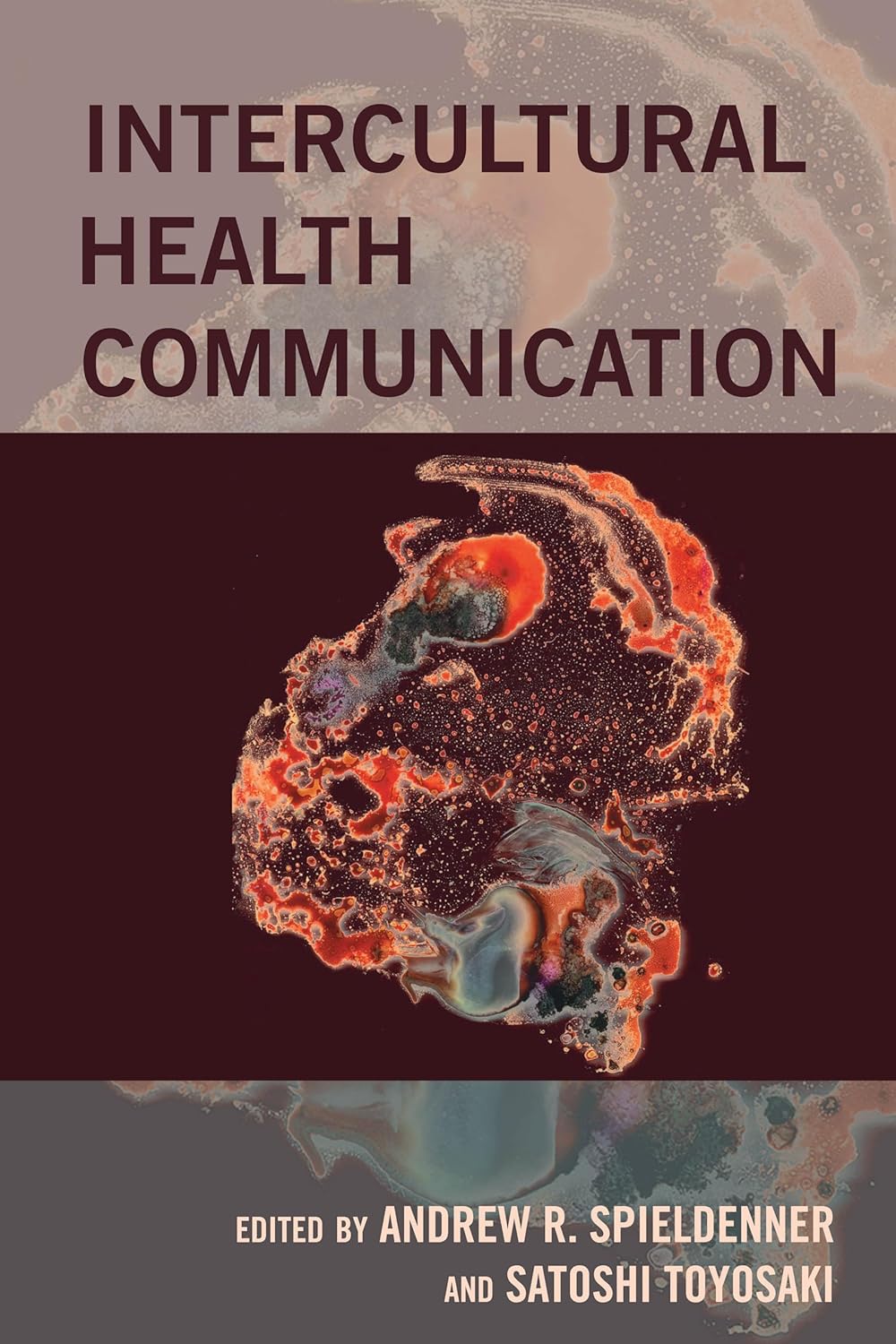
In this review of Intercultural Health Communication, the book is recommended for scholars, graduate students, and practitioners who want a critical, interpretive lens on how health and culture interact. The collection brings together essays that treat both health and culture as contested, politicized concepts, and the single biggest reason to read it is its focus on intersectional and transnational perspectives that challenge simplistic, knowledge-only approaches to health behavior. This review highlights how the volume frames health inside discourses of the body, aesthetics, and science, making it useful for those seeking deeper theoretical grounding.
Key Features
- Interdisciplinary approach: Essays combine communication, public health, and cultural studies to show how health meanings are produced across contexts.
- Critical methodologies: The book emphasizes qualitative and interpretive research that surfaces political and intersectional dimensions of health.
- Transnational focus: Contributors draw connections across national boundaries to move beyond locally bounded models of health communication.
- Discursive emphasis: Chapters explore how notions of healthy behavior are embedded in discourses about the body, aesthetics, and science, not just in information deficits.
- Scholarly contribution: The collection advances critical public health conversations by tying theory to communication research and practice.
Who It's For
This volume is best for graduate students, researchers, and public health professionals who need a theoretical, critical perspective on how culture shapes health communication. It is especially useful for those working on qualitative projects or studying health across borders.
Readers seeking a practical how-to manual, quick behavior-change tactics, or a basic introduction to epidemiology should look elsewhere; the book is oriented toward interpretive scholarship rather than step-by-step program design.
Pros & Cons
Pros
- Thoughtful interdisciplinary essays that integrate communication theory with public health insights.
- Strong emphasis on critical and qualitative methods that reveal structural and intersectional issues.
- Useful for developing a transnational outlook on health communication beyond local case studies.
Cons
- The book is theoretical and interpretive, so practitioners seeking immediate programmatic guidance may find it less directly applicable.
Specifications
| Title | Intercultural Health Communication |
| Author / Editor | Spieldenner |
| Focus | Critical public health and communication |
| Methodologies | Qualitative, interpretive, critical research |
| Scope | Transnational and intersectional perspectives |
| Key themes | Discourses of body, aesthetics, science |
Our Verdict
Intercultural Health Communication is a valuable resource for those who need to interrogate how health is socially and politically constructed across cultures. Its strength lies in critical, qualitative contributions that push researchers to adopt intersectional, transnational lenses; as such it represents strong value for scholars and advanced students even if it is not a practical handbook for immediate program implementation.
Frequently Asked Questions
Is this book suitable for undergraduate coursework?
It can supplement advanced undergraduate courses in communication or health studies, but it is best suited to graduate-level discussion.
Does the book include practical health program examples?
The emphasis is on theory and interpretation rather than step-by-step program guides, so practical examples are limited.
Are international perspectives included?
Yes, the collection aims for a transnational view and addresses health communication across different cultural contexts.
Editor's Take
Intercultural Health Communication is a strong, theory-driven collection that helps scholars and advanced students examine the political and intersectional nature of health across cultures; its qualitative, transnational focus makes it valuable for research even if it offers limited immediate programmatic guidance.

Recently viewed
Recently viewed products will appear here as customers browse the store.