

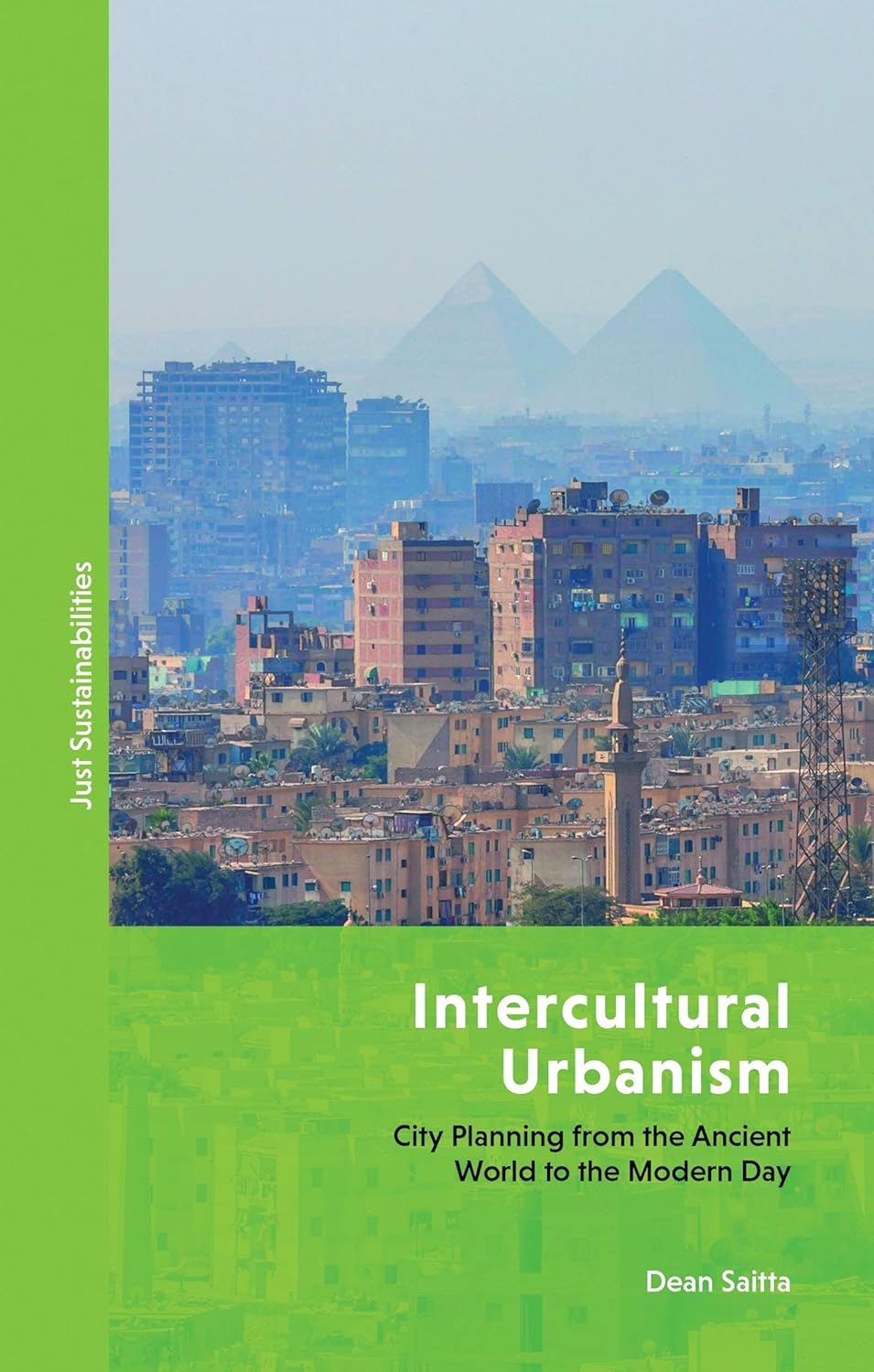
Intercultural Urbanism: City Planning from the Ancient World
Intercultural Urbanism: City Planning from the Ancient World
Price subject to change. Tap below for current.
Couldn't load pickup availability
In this review of Intercultural Urbanism: City Planning from the Ancient World to the Modern Day the reviewer finds a thoughtful, historically grounded argument for rethinking how cities promote inclusion. Dean Saitta uses archaeological case studies to show that the built environment shapes social outcomes; the book is best for planners, policy students, and engaged citizens who want a trans-historical perspective on urban sustainability. Its single biggest reason to buy is the book's sustained focus on how ancient practices can inform contemporary public space and housing design to reduce segregation.
Key Features
- Trans-historical approach: Connects archaeological evidence from the ancient world to modern planning dilemmas, offering fresh comparative lessons for inclusion.
- Focus on public space: Explains how civic architecture and public realms historically structured social interaction, useful for redesigning contemporary public spaces.
- Housing and community: Examines housing patterns in ancient cities to suggest ways to promote mixed communities and lessen economic segregation.
- Policy relevance: Frames urban design choices as drivers of social and economic prosperity, making it applicable to planners and policy makers.
- Accessible writing: Presents academic archaeology in a readable way for non-specialists interested in city planning and social equity.
Who It's For
The book is well suited to urban planners, students in public affairs and policy, historians of cities, and civic-minded professionals who want concrete historical perspectives on public space and inclusion. Its emphasis on design and planning makes it a practical read for those working on housing, civic architecture, or community development.
Readers seeking a technical manual of contemporary zoning codes or a fully worked modern design toolkit should look elsewhere; this is an interpretive, comparative study that informs thinking rather than providing step-by-step implementation plans.
Pros & Cons
Pros
- Draws on archaeological cases to provide a rare long-view that enriches modern planning debates.
- Clear connections between built form and social inclusion that planners can translate into policy discussions.
- Readable prose that makes academic material accessible to practitioners and students.
Cons
- Not a practical design manual, so readers expecting detailed contemporary technical guidance may find it limited.
Specifications
| Title | Intercultural Urbanism: City Planning from the Ancient World to the Modern Day |
| Authors | Dean Saitta, Julian Agyeman |
| Subject | City planning, urban development, public affairs |
| Approach | Intercultural, trans-historical analysis using archaeology |
| Key topics | Public space, housing, civic architecture, inclusion |
| Audience | Planners, policy students, historians of cities |
Our Verdict
Intercultural Urbanism offers a persuasive, historically informed case for treating urban design as central to social inclusion. Planners and policy students will find it good value for its interpretive insights and clear links between ancient practice and modern challenges; those wanting hands-on technical guidance should supplement it with contemporary practice-oriented resources.
Frequently Asked Questions
Does this book cover modern planning policy?
It links historical examples to contemporary policy debates but does not serve as a technical policy manual.
Who authored the book?
Dean Saitta is the primary author, with Julian Agyeman associated with the series context.
Is the book accessible to non-academics?
Yes; the writing aims to make archaeological and planning ideas readable for practitioners and interested readers.
Editor's Take
Intercultural Urbanism is a persuasive, historically informed study that links ancient urban practices to modern planning challenges; ideal for planners and students seeking insight into public space, housing, and inclusion.

Recently viewed
Recently viewed products will appear here as customers browse the store.