

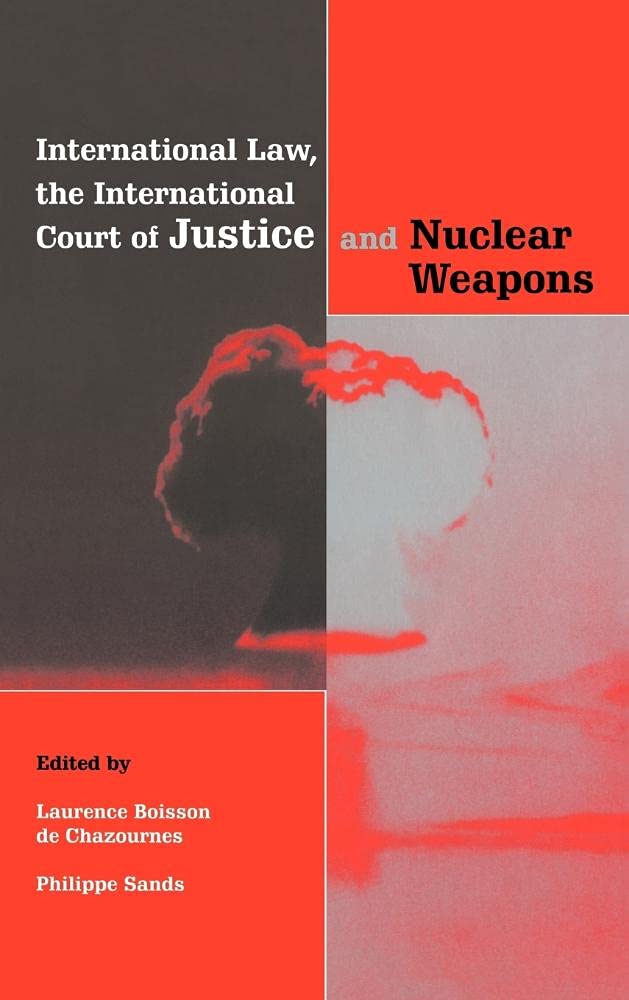
International Law, the International Court of Justice and Nuclear
International Law, the International Court of Justice and Nuclear
Price subject to change. Tap below for current.
Couldn't load pickup availability
In this review of International Law, the International Court of Justice and Nuclear Weapons the bottom line is clear: this is a serious, academic collection intended for readers who need a rigorous, multi-disciplinary analysis of the 1996 ICJ Advisory Opinions. Compiled by Laurence Boisson de Chazournes and Philippe Sands, the volume brings together more than thirty experts and offers comprehensive perspectives across use of force, humanitarian law, environment and human rights. Readers seeking a substantive legal and historical study will find the book indispensable; casual readers seeking an introduction to nuclear policy may find it dense.
Key Features
- Comprehensive expert analysis: More than thirty contributors provide detailed legal interpretation of the 1996 ICJ Advisory Opinions, giving the reader multiple authoritative viewpoints.
- Interdisciplinary coverage: Chapters examine the status of nuclear weapons across use of force, humanitarian law, environment and human rights to connect doctrinal and practical implications.
- Practical institutional focus: Contributors include diplomats and advisors, offering insight into what the opinions mean for international organizations and judicial practice.
- Historical and legal context: The book places the 1996 opinions within a broader historical and legal framework, helping readers trace doctrinal developments.
- Scholarly contributions: The mix of academics and practicing lawyers supplies both theoretical depth and applied perspectives on international adjudication.
Who It's For
This collection is best suited to legal scholars, graduate students, diplomats and practitioners who need a detailed examination of the ICJ opinions and their consequences across multiple branches of international law. The depth of the essays makes it useful for seminar reading and research where primary legal analysis and cross-sector implications are important.
Those looking for a concise primer or popular history of nuclear weapons should look elsewhere, as this volume favors rigorous legal argumentation over accessible narrative. It is not a general-audience policy book but a specialist resource for readers prepared to engage with academic and professional legal writing.
Pros & Cons
Pros
- Wide-ranging expertise brings authoritative, varied analyses of the ICJ Advisory Opinions.
- The interdisciplinary approach links humanitarian, environmental and human rights law to the core legal questions.
- Inclusion of diplomats and advisors adds practical context for international organizations and judicial function.
Cons
- The book's academic tone and depth make it a demanding read for non-specialists.
Specifications
| Title | International Law, the International Court of Justice and Nuclear Weapons |
| Editors/Authors | Laurence Boisson de Chazournes, Philippe Sands |
| Subject | ICJ Advisory Opinions on nuclear weapons; international law sectors |
| Contributors | More than thirty experts including lawyers, academics, diplomats and advisors |
| Coverage | Use of force, humanitarian law, environment, human rights, international organizations |
| Publication focus | Comprehensive legal and institutional analysis of 1996 Advisory Opinions |
Our Verdict
This volume is a high-value resource for scholars and practitioners who need a deep, multi-perspective legal study of the ICJ's 1996 opinions on nuclear weapons. Its authoritative contributors and interdisciplinary scope make it indispensable for research and professional reference, though its dense academic style limits its appeal to casual readers.
Frequently Asked Questions
Does this book explain the 1996 ICJ Advisory Opinions?
The collection offers in-depth analyses of the 1996 Advisory Opinions, with multiple contributors unpacking their legal meaning and implications.
Who contributed to this volume?
Contributors include more than thirty internationally respected experts: lawyers, academics, diplomats and advisors to international bodies.
Is this suitable for a general reader?
The book is primarily academic and best suited to specialists; casual readers may find the material dense and technical.
Editor's Take
This volume is a rigorous, multi-author legal study of the ICJ's 1996 opinions on nuclear weapons, ideal for scholars and practitioners who need deep, interdisciplinary analysis.

Recently viewed
Recently viewed products will appear here as customers browse the store.