

Ipsative Assessment: Motivation through Marking Progress - Practical
Ipsative Assessment: Motivation through Marking Progress - Practical
Price subject to change. Tap below for current.
Couldn't load pickup availability
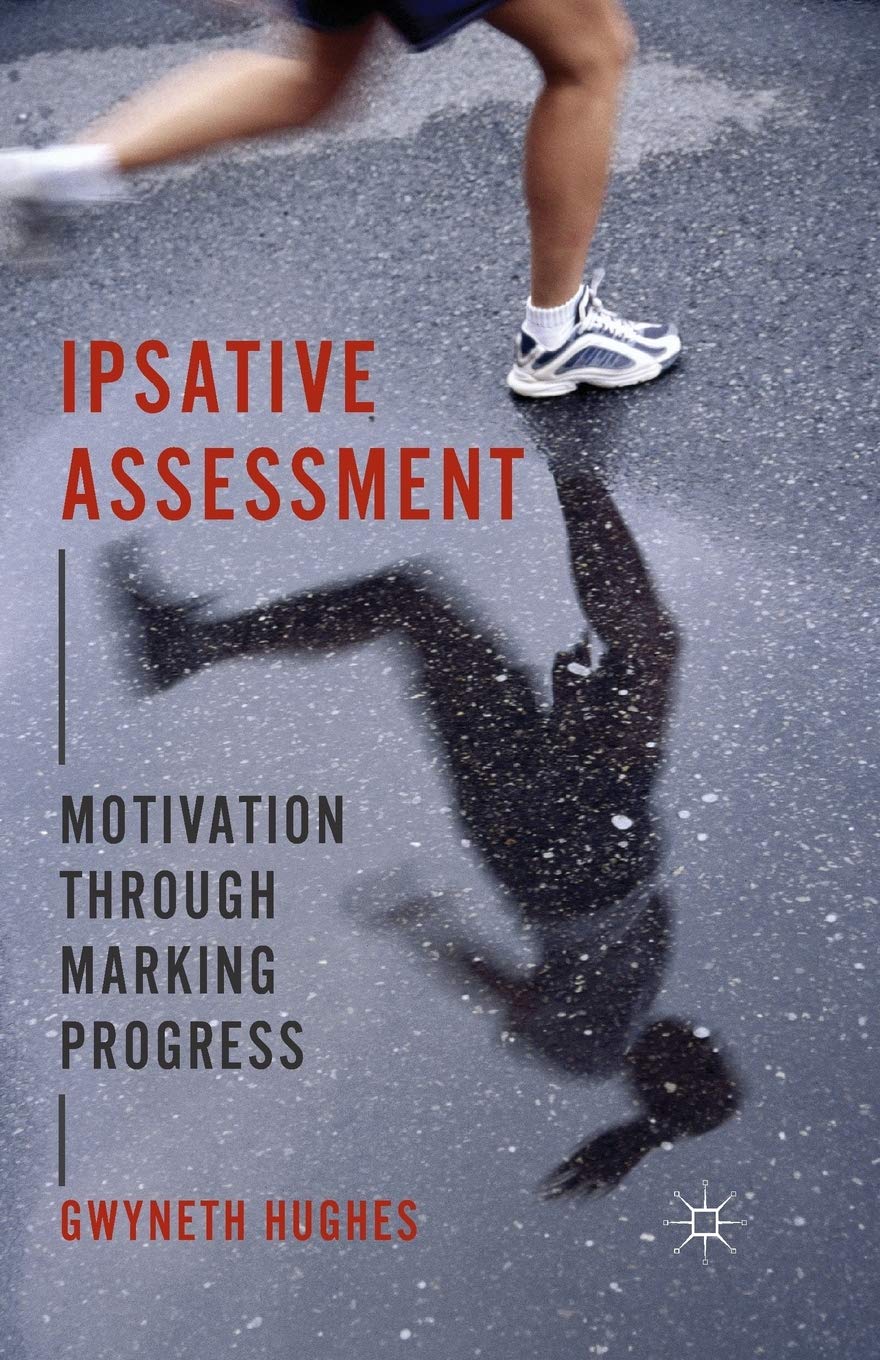
In this review of Ipsative Assessment: Motivation through Marking Progress the reviewer finds a thoughtful, research-led argument for rethinking how students are assessed. The book is aimed at educators and policy makers who want a practical yet evidence-based alternative to purely comparative grading systems, and its biggest selling point is a sustained case for replacing some competitive assessment with ipsative assessment approaches that emphasise personal progress. The tone is academic but readable, and the book balances conceptual framing with case studies so readers can see both the theory and classroom implications.
Key Features
- Foundational argument: Presents a clear case for partially replacing competitive assessment with ipsative assessment, helping readers understand the rationale behind the shift.
- Research evidence: Supports claims with research findings so practitioners can judge the reliability of the approach.
- Practical case studies: Includes real classroom and institutional examples that illustrate how ipsative methods work in practice.
- Challenge exploration: Discusses potential obstacles and trade offs, assisting leaders in planning realistic implementation steps.
- Accessible writing: Balances academic rigour and readability so both researchers and teachers can engage with the material.
Who It's For
Teachers, school leaders, curriculum designers and education researchers who are curious about alternative assessment models will find this book most useful, especially those seeking to boost student motivation by recognising individual progress rather than focusing solely on ranking. The emphasis on evidence and case studies makes it particularly relevant for professionals planning pilot programmes or policy adjustments.
Readers looking for step-by-step lesson plans or a prescriptive toolkit for classroom activities should look elsewhere; this is stronger on conceptual framing and institutional implications than on scripted day-to-day worksheets. Those expecting a light introduction without engagement with research might also find the material denser than anticipated.
Pros & Cons
Pros
- Well-argued case for ipsative assessment that connects theory to classroom examples.
- Uses research evidence to back claims, useful for convincing stakeholders.
- Includes realistic discussion of challenges, improving the practicality of adoption.
Cons
- Not a lesson-plan manual, so teachers seeking immediate classroom resources may need to supplement it.
- The academic tone may be dense for readers after a brief, popular overview.
Specifications
| Title | Ipsative Assessment: Motivation through Marking Progress |
| Author | G. Hughes |
| Category | Education Theory / Assessment |
| Primary focus | Replacing competitive assessment with ipsative methods |
| Content types | Research evidence and case studies |
| Intended audience | Teachers, school leaders, researchers |
Our Verdict
For educators and decision makers interested in shifting assessment culture, Ipsative Assessment offers a persuasive, evidence-based argument and useful case studies that make the idea actionable. It represents good value for those planning policy change or pilot projects, though classroom practitioners who need immediate activity resources should pair it with practical guides.
Frequently Asked Questions
Does the book explain how ipsative assessment improves motivation?
The book presents research and case studies showing how recognising individual progress can enhance student engagement and intrinsic motivation.
Is this suitable for classroom teachers to implement immediately?
It provides conceptual guidance and examples but is not a step-by-step workbook; teachers should combine it with practical resources for daily lessons.
Who is the author?
G. Hughes is the author, and the book is positioned for education professionals and researchers interested in assessment theory and practice.
Editor's Take
Ipsative Assessment is a research-driven, practical argument for replacing parts of competitive assessment with progress-focused methods; recommended for educators and leaders planning policy or pilot programmes.

Recently viewed
Recently viewed products will appear here as customers browse the store.