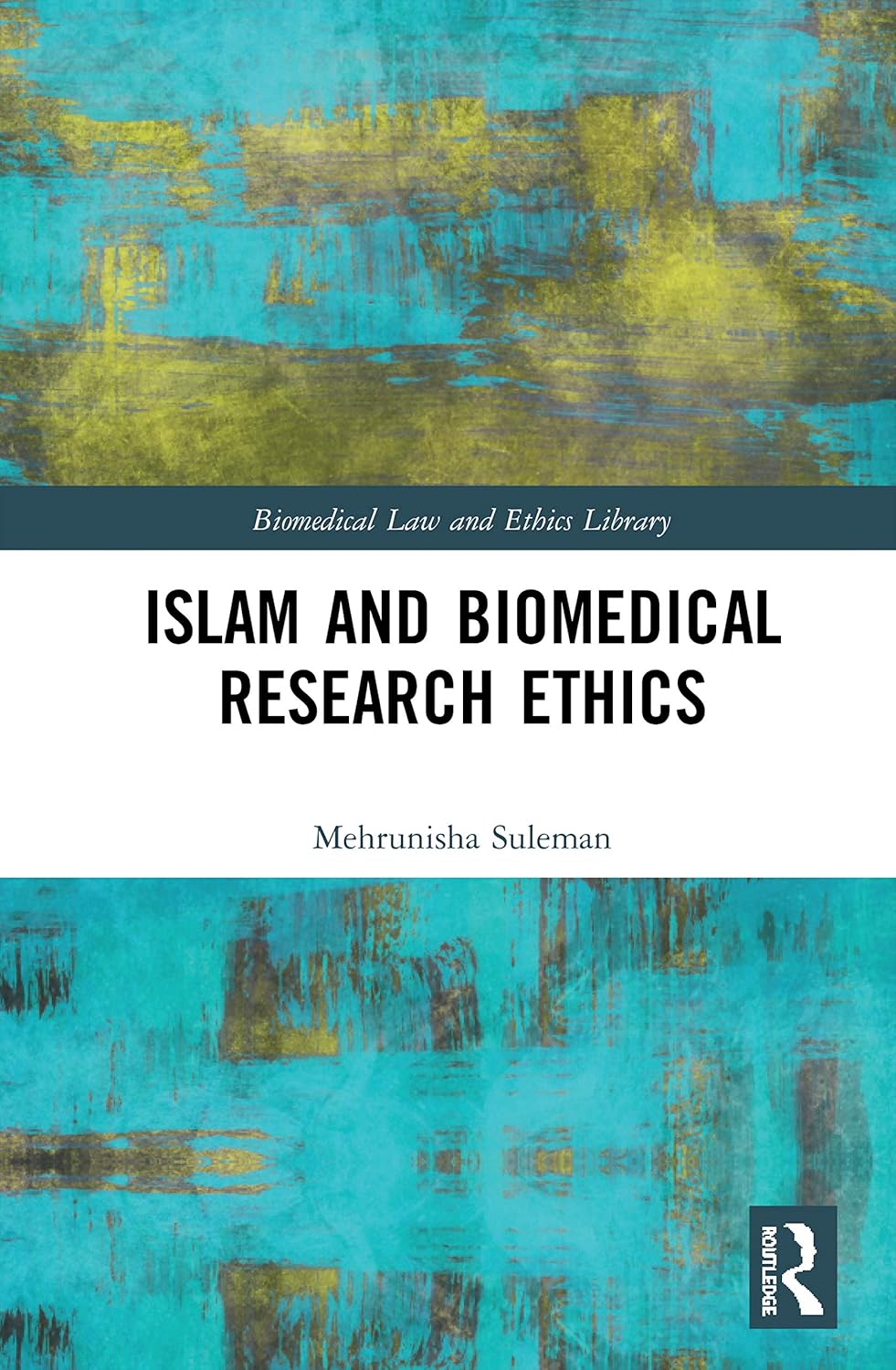
Islam and Biomedical Research Ethics: A Comprehensive Guide
Islam and Biomedical Research Ethics: A Comprehensive Guide
Price subject to change. Tap below for current.
Couldn't load pickup availability
The book Islam and Biomedical Research Ethics offers a profound exploration of the intersection between Islamic principles and modern biomedical research. Authored by Mehrunisha Suleman, this text delves into the ethical considerations that arise in the realm of biomedical research from an Islamic perspective.
In today's rapidly evolving medical landscape, understanding biomedical ethics is crucial for researchers, practitioners, and policymakers. This book provides a thorough analysis of how Islamic teachings can inform ethical decision-making in research practices. It emphasizes the importance of aligning research methodologies with Islamic values, ensuring that the dignity and rights of individuals are upheld.
One of the key features of this book is its comprehensive coverage of various ethical dilemmas faced in biomedical research. It discusses issues such as informed consent, confidentiality, and the moral implications of genetic research. The author meticulously examines how these issues can be approached through the lens of Islamic jurisprudence, providing readers with a unique perspective that is often overlooked in mainstream discussions.
Furthermore, the book highlights the significance of cultural competence in research. It argues that understanding the cultural context of participants is essential for conducting ethical research. By integrating cultural sensitivity into research practices, scholars can foster trust and cooperation with diverse populations, ultimately leading to more meaningful outcomes.
Another notable aspect of this work is its focus on the role of ethics committees in biomedical research. The author outlines the responsibilities of these committees in ensuring that research adheres to ethical standards. This discussion is particularly relevant in the context of Islamic ethics, as it provides a framework for evaluating the ethical implications of research proposals.
In addition to theoretical discussions, the book includes practical case studies that illustrate the application of Islamic ethics in real-world research scenarios. These examples serve to bridge the gap between theory and practice, making the content accessible and relevant to a wide audience. Readers will find that the case studies not only enhance understanding but also provoke critical thinking about the ethical dimensions of their own research.
Overall, Islam and Biomedical Research Ethics is an essential resource for anyone involved in biomedical research, particularly in contexts where Islamic principles are significant. It encourages a thoughtful examination of how ethical frameworks can be harmonized with religious beliefs, ultimately contributing to the advancement of ethical research practices.
Share