

Islam and Biomedical Research Ethics - Informed Scholarly
Islam and Biomedical Research Ethics - Informed Scholarly
Price subject to change. Tap below for current.
Couldn't load pickup availability
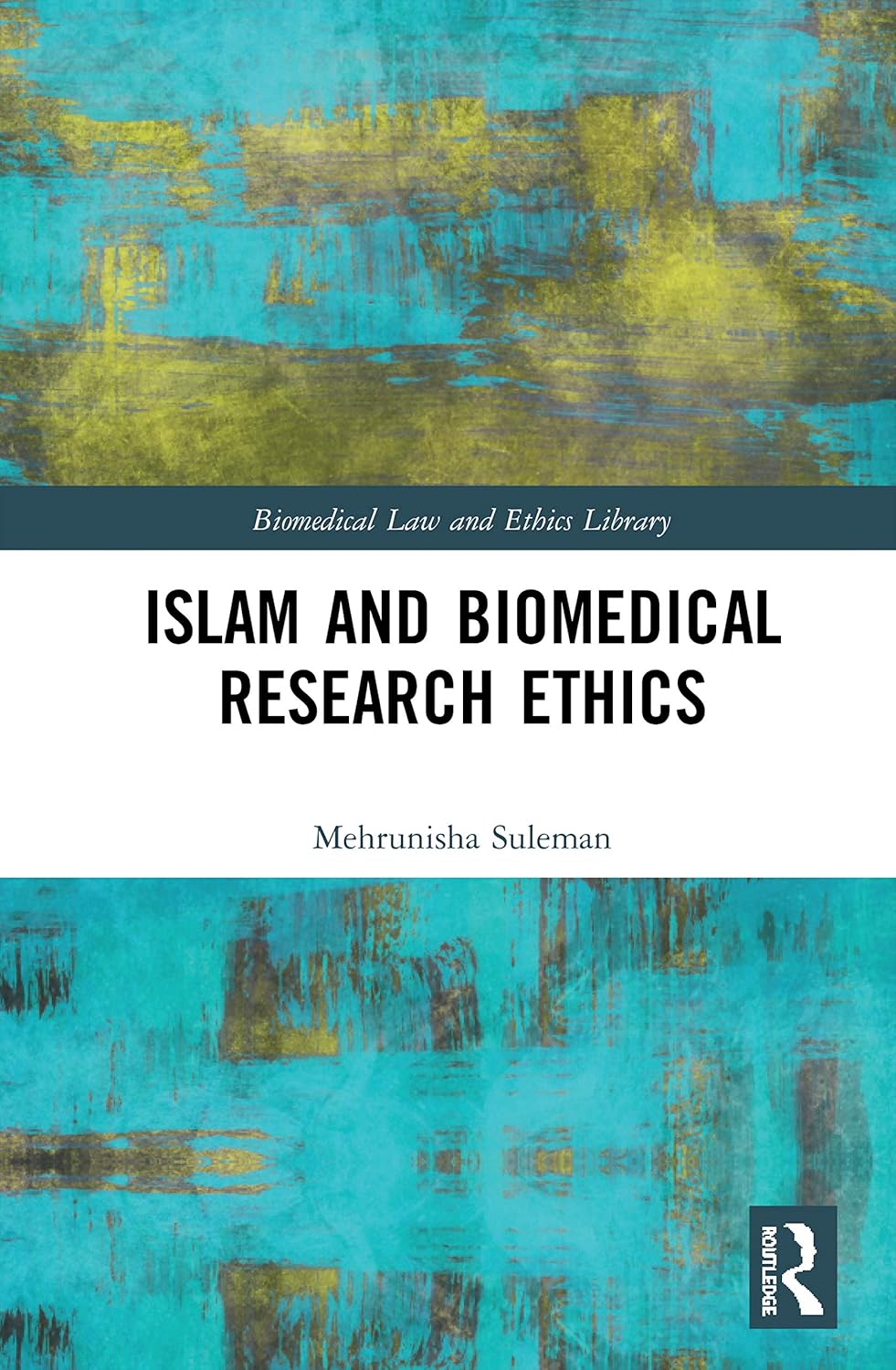
In this review the book Islam and Biomedical Research Ethics is presented as a focused scholarly contribution for readers seeking insight into how faith intersects with global health and research ethics in Muslim contexts. Mehrunisha Suleman offers a sociological account that fills a gap in broader bioethics literature, and the single biggest reason to buy is its detailed attention to moral deliberation and lived negotiation by researchers and participants where Islamic belief shapes ethical decisions.
Key Features
- Sociological perspective: The book provides a rich sociological account of debates and negotiations that reveals how ethical decisions are shaped in practice within Islamic contexts.
- Focus on faith and moral deliberation: It examines the role of faith in moral reasoning, offering readers specific examples of how religion influences biomedical research ethics.
- Explores marginalisation: The text addresses the marginalisation of women and the prejudice faced by groups such as sex workers and LGBT communities in research settings.
- Contextualised debates: Case-oriented discussion shows how researchers experience moral anxiety and frustration when balancing multiple moral sources.
- Fills a literature gap: The book delivers perspectives currently lacking in mainstream bioethics, making it a useful reference for scholars and practitioners.
Who It's For
This book is best suited to academics, graduate students and policy researchers working at the intersection of bioethics, global health and religious studies who need qualitative, context-rich analysis rather than technical clinical guidance. It will also appeal to ethics committees and institutional reviewers seeking better understanding of cultural and faith-based concerns in Muslim-majority settings.
Those looking for practical clinical protocols or step-by-step research regulations should look elsewhere; the book is analytic and sociological rather than a handbook of legal rules or medical procedures.
Pros & Cons
Pros
- Provides an uncommon sociological lens on biomedical ethics in Islamic contexts, useful for deep understanding.
- Highlights how faith influences moral deliberation, adding nuance to standard bioethics debates.
- Addresses marginalisation and the ethical challenges facing vulnerable groups in research.
Cons
- Not a practical guide for clinical compliance or legal policy; readers seeking procedural checklists may find it theoretical.
Specifications
| Title | Islam and Biomedical Research Ethics |
| Series | Biomedical Law and Ethics Library |
| Author | Mehrunisha Suleman |
| Subject focus | Bioethics, sociology, Islam and research ethics |
| Key themes | Faith, moral deliberation, marginalisation, researcher experience |
| Intended audience | Scholars, students, policy researchers |
Our Verdict
Islam and Biomedical Research Ethics is a thoughtful, well-focused contribution that fills an important gap in bioethics literature. Researchers and scholars interested in how Islamic belief systems shape ethical debate will find valuable qualitative analysis and contextual examples, making it good value as an academic reference rather than a practical procedural manual.
Frequently Asked Questions
Does this book cover clinical protocols?
No. The book is analytic and sociological, focusing on moral deliberation rather than clinical protocols or regulatory checklists.
Who wrote this book and what is the perspective?
Mehrunisha Suleman authored the work and presents a sociological perspective on how debates about Islam are negotiated in biomedical research contexts.
Is it useful for ethics committees?
Yes. Ethics committees and institutional reviewers can use its contextual insights to better understand faith-related concerns in research involving Muslim populations.
Editor's Take
Islam and Biomedical Research Ethics offers thoughtful sociological analysis of how Islamic faith shapes moral deliberation in research; a valuable academic resource for scholars and ethics committees, though not a practical procedural guide.

Recently viewed
Recently viewed products will appear here as customers browse the store.