

Islam and the Baha'i Faith - Comparative Historical
Islam and the Baha'i Faith - Comparative Historical
Price subject to change. Tap below for current.
Couldn't load pickup availability
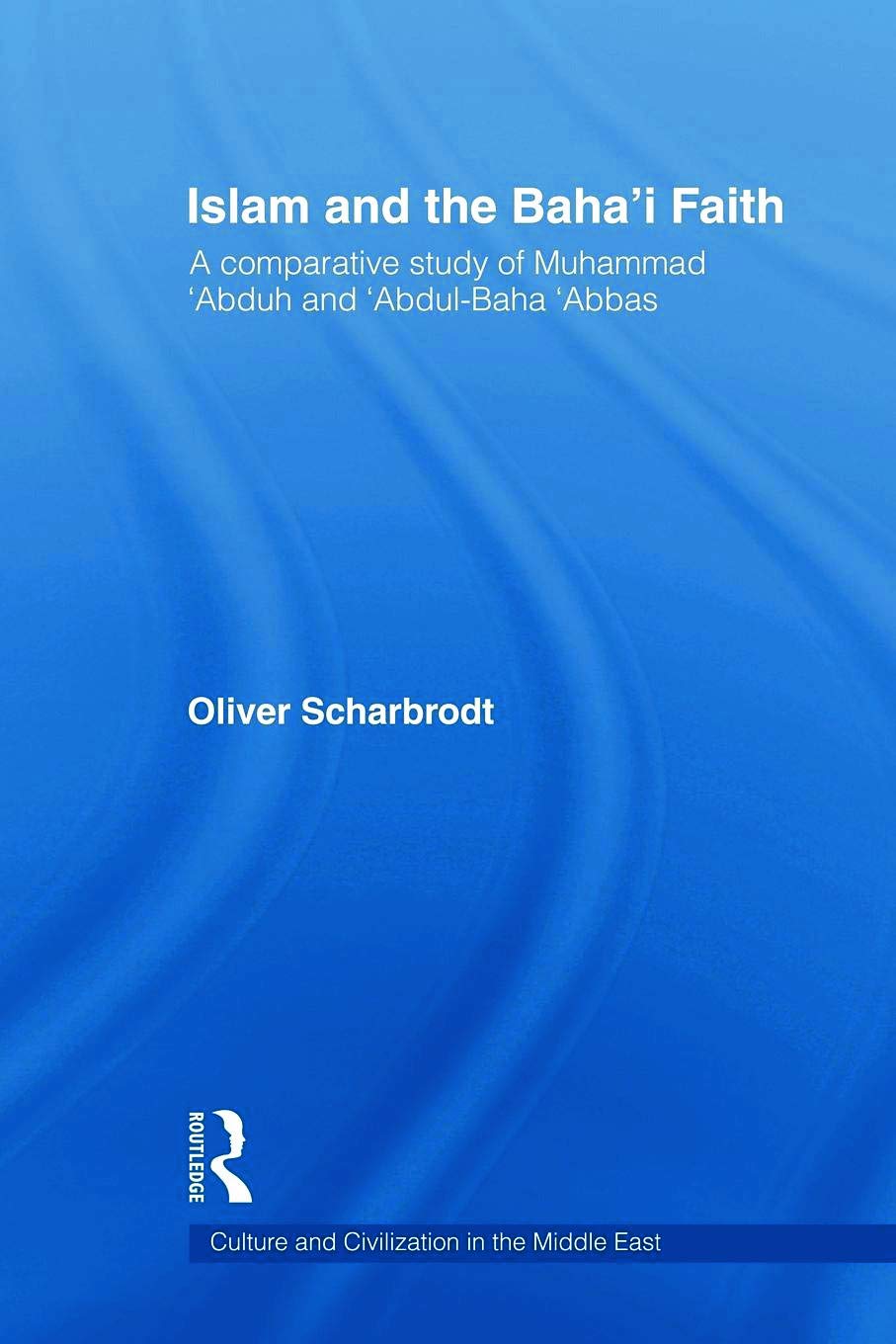
In this review of Islam and the Baha'i Faith the author offers a comparative historical study that will appeal to readers interested in 19th century religious change. The book reframes two prominent figures, Muhammad Abduh and Abdul-Baha, placing them into unfamiliar terrain to challenge assumptions about reform and heresy. The bottom line: this is a thoughtful, scholarly account best suited to students and readers who want a nuanced, interpretive look at modern Islamic and Baha'i developments rather than a simple doctrinal summary.
Key Features
- Comparative focus: The book juxtaposes Muhammad Abduh and Abdul-Baha to highlight contrasting paths of reform and messianic leadership in the 19th century Middle East.
- Historical context: It situates both figures within the social and political currents of their time to clarify how each responded to modernity and religious change.
- Fresh perspective: Scharbrodt deliberately places familiar biographies into unfamiliar terrain to challenge received narratives about orthodoxy and heresy.
- Scholarly but accessible: The narrative is written for readers of politics, history, and religion who want critical interpretation rather than purely technical theology.
- Focus on influence: The text traces how Abduh's thought influenced later reform movements and how Abdul-Baha carried forward a messianic movement that departed from Islam.
Who It's For
This study is aimed at graduate students, scholars, and engaged readers in Middle Eastern studies or comparative religion who appreciate interpretive historical analysis. It is useful for courses on modern Islam, new religious movements, or 19th century intellectual history.
Readers seeking a doctrinal handbook, devotional text, or a beginner's introduction to either religious tradition should look elsewhere; the book assumes some prior interest in historical and political framing rather than providing an introductory primer.
Pros & Cons
Pros
- Provides a nuanced comparative lens that illuminates less obvious connections between reform and messianic movements.
- Places both figures in their broader 19th century social and political contexts for clearer understanding.
- Balances scholarly depth with readable analysis suitable for advanced undergraduates and graduate readers.
Cons
- Not a beginner's guide; readers unfamiliar with the basic biographies may need supplemental background reading.
Specifications
| Title | Islam and the Baha'i Faith |
| Series | Culture and Civilization in the Middle East |
| Author | Oliver Scharbrodt |
| Primary subjects | Muhammad Abduh; Abdul-Baha; modern Islam; Baha'i Faith |
| Historical focus | 19th century Middle East |
| Approach | Comparative historical analysis |
Our Verdict
Islam and the Baha'i Faith is a worthwhile purchase for readers seeking a critical, comparative study of two 19th century reformers. Its strength lies in reinterpreting familiar figures through contextual analysis, making it good value for students and scholars who want an interpretive history rather than an introductory or devotional text.
Frequently Asked Questions
Does this book cover both Muhammad Abduh and Abdul-Baha?
Yes, the study focuses on both figures and compares their roles in 19th century religious change.
Is prior knowledge of Islam or the Baha'i Faith required?
Some background helps, as the book favors comparative, historical analysis over introductory explanations.
Who will benefit most from this book?
Graduate students, scholars, and readers of Middle Eastern intellectual history will get the most from its interpretive approach.
Editor's Take
A thoughtful comparative study that reframes Muhammad Abduh and Abdul-Baha in 19th century context; recommended for students and scholars seeking interpretive historical analysis.

Recently viewed
Recently viewed products will appear here as customers browse the store.