

Islamic Banking in Pakistan - History and Legal Analysis
Islamic Banking in Pakistan - History and Legal Analysis
Price subject to change. Tap below for current.
Couldn't load pickup availability
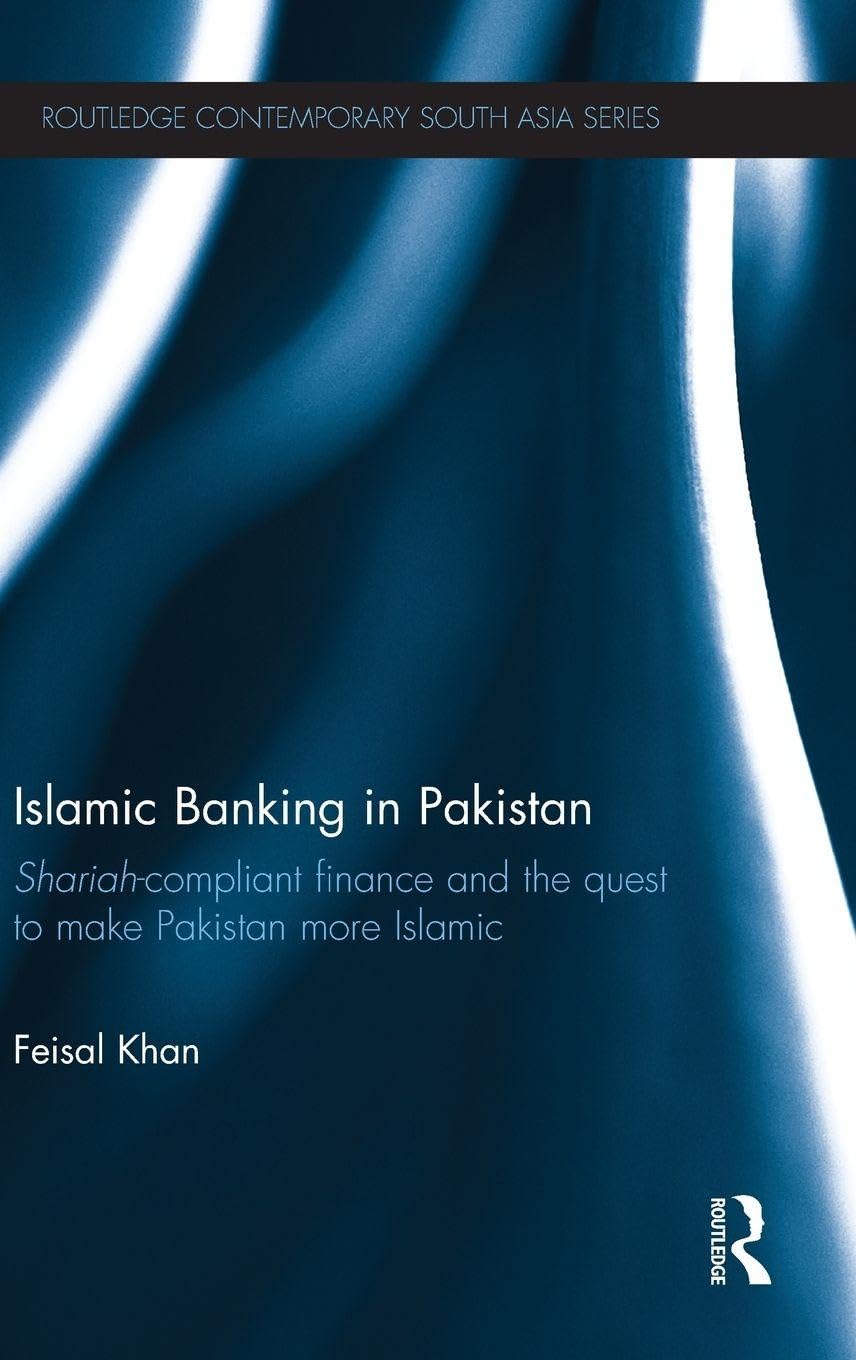
In this review of Islamic Banking in Pakistan the focus is on readers seeking a grounded, historical and legal perspective of the country's shift to interest-free finance. Feisal Khan traces debates from 1947 through the 2002 Shariat Appellate Bench ruling, and the book's single biggest reason to buy is its careful linking of political contestation with concrete changes to Pakistan's financial system, making it useful for scholars and policy-minded readers who want a disciplined account rather than a popular overview.
Key Features
- Historical scope: Covers debates from Pakistan's founding in 1947 to the early 2000s, which helps readers understand long-term continuity and change in Islamic finance policy.
- Legal focus: Examines the 2002 Shariat Appellate Bench ruling and other legal milestones, offering insight into how judicial decisions shaped Islamic Banking and Finance in Pakistan.
- Political analysis: Analyses tensions between Islamic Minimalists and Maximalists, clarifying the ideological drivers behind banking reform efforts.
- Practice and theory: Balances theoretical discussion with practical reform efforts, helping readers see how ideas translated into banking policy and institutional change.
- Contemporary relevance: Places Pakistan among early adopters of IBF, useful for comparative studies of Islamic finance in the region.
Who It's For
This book is aimed at graduate students, researchers, and policy analysts interested in Islamic finance, Pakistani political history, or the intersection of religion and state institutions. Its legal and historical framing makes it particularly valuable for readers working on comparative finance, constitutional law, or South Asian politics.
Readers seeking a practical how-to guide for Islamic banking operations or a primer for retail customers should look elsewhere, as the text is scholarly and focused on political and legal dynamics rather than operational banking manuals or consumer guidance.
Pros & Cons
Pros
- Clear historical narrative that links post-1947 debates to later banking reforms.
- Strong legal analysis of key rulings, especially the Shariat Appellate Bench decision of 2002.
- Useful political framing of Minimalist vs Maximalist positions for understanding policy drivers.
Cons
- Not a practical manual for banking practitioners; it focuses on history and law rather than operational detail.
Specifications
| Title | Islamic Banking in Pakistan (Routledge Contemporary South Asia Series) |
| Author | Feisal Khan |
| Scope | History, law, and political analysis of IBF in Pakistan |
| Time period covered | From 1947 debates to the 2002 Shariat Appellate Bench ruling |
| Focus | Islamization of Pakistan and its financial system |
| Series | Routledge Contemporary South Asia Series |
Our Verdict
Islamic Banking in Pakistan is a well-argued scholarly account that combines legal scrutiny and political context to explain Pakistan's move toward an interest-free banking system. Those researching Islamic finance or South Asian state formation will find it good value for its depth and documentation; readers wanting operational banking guidance should choose a different title.
Frequently Asked Questions
Does the book cover legal decisions that shaped Islamic banking?
The book examines judicial milestones including the 2002 Shariat Appellate Bench ruling and explains their impact on Islamic Banking and Finance in Pakistan.
Is this a practical guide for banking practitioners?
No. The focus is historical, political, and legal rather than operational or technical guidance for practitioners.
Who is the author and what perspective does he bring?
Feisal Khan writes as a scholar situating the Islamic revivalist push within broader debates about Pakistan's identity and institutional change.
Editor's Take
A well-argued scholarly account linking Pakistan's post-1947 political debates to legal rulings that shaped its move toward interest-free banking; ideal for researchers of Islamic finance and South Asian politics.

Recently viewed
Recently viewed products will appear here as customers browse the store.