

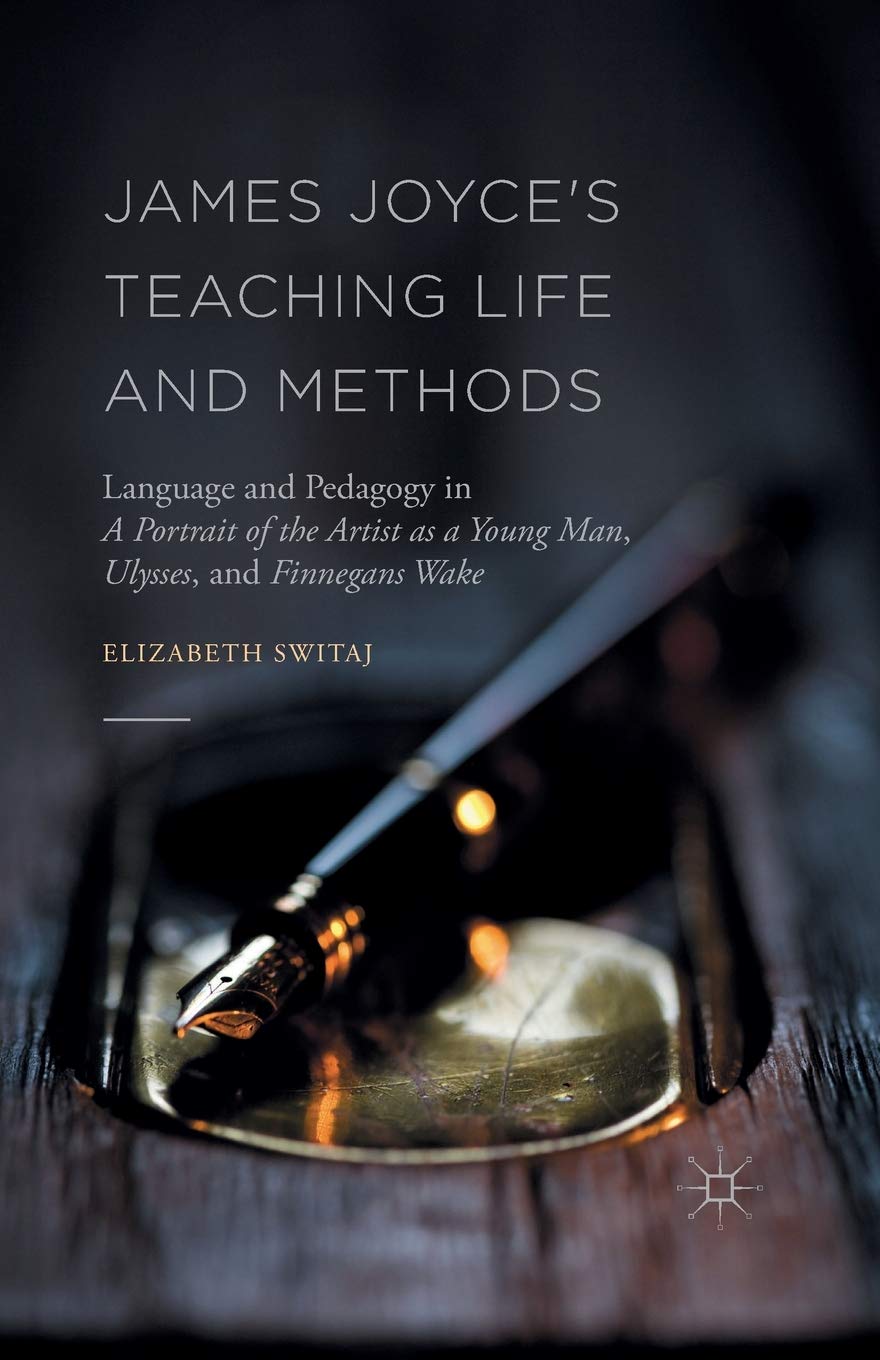
James Joyce's Teaching Life and Methods - Pedagogy in Joyce's Major
James Joyce's Teaching Life and Methods - Pedagogy in Joyce's Major
Price subject to change. Tap below for current.
Couldn't load pickup availability
In this review readers interested in Joyce and literary pedagogy will find a concentrated study of why the author's early work as an English teacher matters for reading his fiction. Our review of James Joyce's Teaching Life and Methods argues that Elizabeth Switaj fills a gap in Joyce studies by tracing how classroom practice, Berlitz methods, and language play informed A Portrait of the Artist as a Young Man, Ulysses, and Finnegans Wake. This book is most valuable to graduate students, researchers in modernist studies, and teachers who want a historically grounded explanation of Joyce's language techniques rather than a purely stylistic reading.
Key Features
- Historical focus: Places Joyce's language teaching in Pola, Trieste, and Rome into the center of interpretation so readers can connect biography and method.
- Pedagogical analysis: Shows how Joyce's unconventional classroom play and Berlitz experience shaped his approach to language and learning.
- Textual connections: Demonstrates clear links between teaching practice and scenes or techniques in A Portrait of the Artist as a Young Man, Ulysses, and Finnegans Wake.
- Corrective argument: Challenges the tendency to underappreciate Joyce's teaching by offering evidence that pedagogy contributed to his literary innovations.
- Targeted scholarship: Written for readers familiar with modernist literature who want a focused, critical study rather than a broad biography.
Who It's For
Academic readers and graduate students working on modernism, language, or literary pedagogy will get the most from Switaj's concentrated argument about Joyce's teaching life and methods. In particular, scholars who study A Portrait of the Artist as a Young Man, Ulysses, or Finnegans Wake will appreciate the specific links made between classroom practice and narrative technique.
General readers seeking a light biography or a broad introduction to Joyce's life should look elsewhere; this is not a general-interest narrative but a critical, evidence-based study intended for readers comfortable with scholarly argument and primary-text analysis.
Pros & Cons
Pros
- Careful archival and contextual attention repositions Joyce's language teaching as a significant influence on his writing.
- The book draws precise connections to specific works, helping readers re-evaluate familiar passages in light of pedagogy.
- Useful for teachers and researchers who want a model of how classroom practice can influence literary creativity.
Cons
- The focused scholarly approach may feel narrow for readers seeking a broader cultural biography of Joyce.
Specifications
| Title | James Joyce's Teaching Life and Methods |
| Author | Elizabeth Switaj |
| Primary focus | Language and pedagogy in Joyce's major works |
| Works discussed | A Portrait of the Artist as a Young Man, Ulysses, Finnegans Wake |
| Geographic teaching sites | Pola, Trieste, Rome |
| Pedagogical context | Berlitz schools and English-language teaching |
Our Verdict
Switaj's study is a persuasive corrective that makes a clear case for the importance of Joyce's teaching in understanding his language experiments. Scholars and teachers interested in modernist technique will find it a compact, evidence-driven book that repays careful reading and offers fresh interpretive routes without unnecessary popularization.
Frequently Asked Questions
Does the book rely on primary sources?
The review notes archival and contextual material about Joyce's teaching postings and methods, indicating reliance on documentary evidence.
Which Joyce works receive the most attention?
The review highlights focused analysis of A Portrait of the Artist as a Young Man, Ulysses, and Finnegans Wake.
Is this suitable for a classroom?
Yes; it is especially useful for graduate seminars or courses on modernist pedagogy and language, though it is more scholarly than introductory.
Editor's Take
Switaj's study persuasively argues that Joyce's English teaching shaped his language experiments; it is a focused, evidence-driven book best suited to scholars and teachers interested in modernist pedagogy.

Recently viewed
Recently viewed products will appear here as customers browse the store.