

Japan, Race and Equality - Historical Analysis of the 1919 Proposal
Japan, Race and Equality - Historical Analysis of the 1919 Proposal
Price subject to change. Tap below for current.
Couldn't load pickup availability
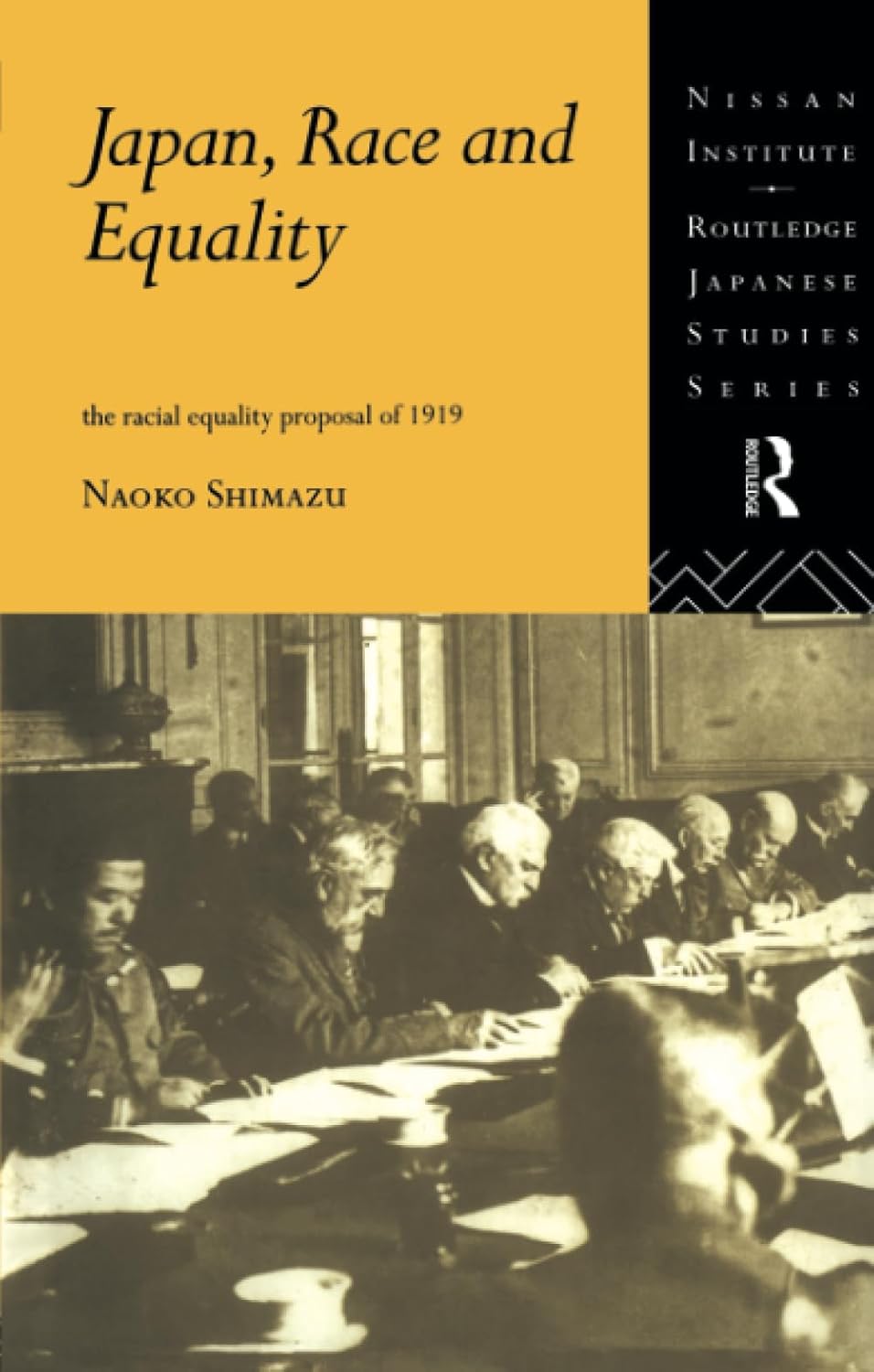
In this review of Japan, Race and Equality, the reviewer finds a focused academic study best suited to readers who want a clear, archival-grounded account of Japan's role at the 1919 Paris Peace Conference. The book's single biggest reason to buy is its claim to be the first comprehensive analysis of the racial equality proposal and its aftermath, offering a structured narrative that links diplomatic maneuvering to political consequences in the 1920s and 1930s. This review assesses its usefulness for historians, political scientists, and informed general readers interested in modern Japanese foreign relations.
Key Features
- Comprehensive historical focus: The book traces the origins and motivations behind Japan's racial equality proposal, giving readers a sustained account of a historically neglected diplomatic episode.
- Analysis of political effects: It explains how the failure of the proposal influenced Japanese politics through the 1920s and 1930s, helping readers connect a single diplomatic event to broader domestic change.
- Contextual diplomatic narrative: The study situates the proposal within the complex politics and diplomacy of the Paris Peace Conference, clarifying competing international positions.
- Scholarly synthesis: As the first full-length treatment, the book synthesizes prior fragments of scholarship into a single narrative useful for coursework or research reading lists.
- Readable scholarly tone: The author presents argumentation aimed at academics and serious general readers, making the material accessible without sacrificing nuance.
Who It's For
Scholars and students of modern Japan, diplomatic history, and race in international relations will find this book particularly valuable, as it offers a concentrated study of a single, consequential episode. Readers preparing seminar papers or seeking a clear interpretive framework for the 1919 conference will benefit from the focused analysis.
General readers with a strong interest in intellectual history or East Asian politics will appreciate the narrative, but those looking for a broad survey of Japan in the early twentieth century or a popular history with extensive anecdote should look elsewhere; this work remains an academic study rather than a general-audience overview.
Pros & Cons
Pros
- Provides the first comprehensive, single-volume account of the Japanese racial equality proposal, filling a clear gap in scholarship.
- Connects diplomatic events at the Paris Peace Conference to later political shifts in Japan, offering useful causal reading for researchers.
- Maintains a clear, academic structure that supports citation and classroom use.
Cons
- Because the study is tightly focused, readers seeking broad social or cultural history of the period may find the scope limited.
Specifications
| Title | Japan, Race and Equality |
| Series | Nissan Institute/Routledge Japanese Studies |
| Author | Naoko Shimazu |
| Subject focus | Racial equality proposal at the 1919 Paris Peace Conference |
| Coverage | Effects on Japanese politics in the 1920s and 1930s |
| Approach | Comprehensive historical and diplomatic analysis |
Our Verdict
Japan, Race and Equality is a valuable, well-focused contribution for historians and political scientists who need a concentrated account of the 1919 racial equality proposal and its political repercussions. Its clear argument and archival emphasis make it good value for research and coursework, though readers seeking broader narrative history should pair it with wider surveys.
Frequently Asked Questions
Does this book cover the Paris Peace Conference in detail?
Yes, it centers on the diplomatic context of the 1919 Paris Peace Conference and examines Japan's proposal and the international response.
Is this work suitable for undergraduate courses?
Yes, it is appropriate as a focused reading in courses on modern Japan, diplomatic history, or race in international relations, especially at advanced undergraduate or graduate level.
Does the author discuss long-term political effects?
Yes, the book analyzes the failure of the proposal and its influence on Japanese politics in the 1920s and 1930s.
Editor's Take
A focused, archival-grounded study that offers the first comprehensive account of Japan's 1919 racial equality proposal and its political aftermath, recommended for historians and political scientists.

Recently viewed
Recently viewed products will appear here as customers browse the store.