

Japan's Changing Generations - In-depth of Social Change
Japan's Changing Generations - In-depth of Social Change
Price subject to change. Tap below for current.
Couldn't load pickup availability
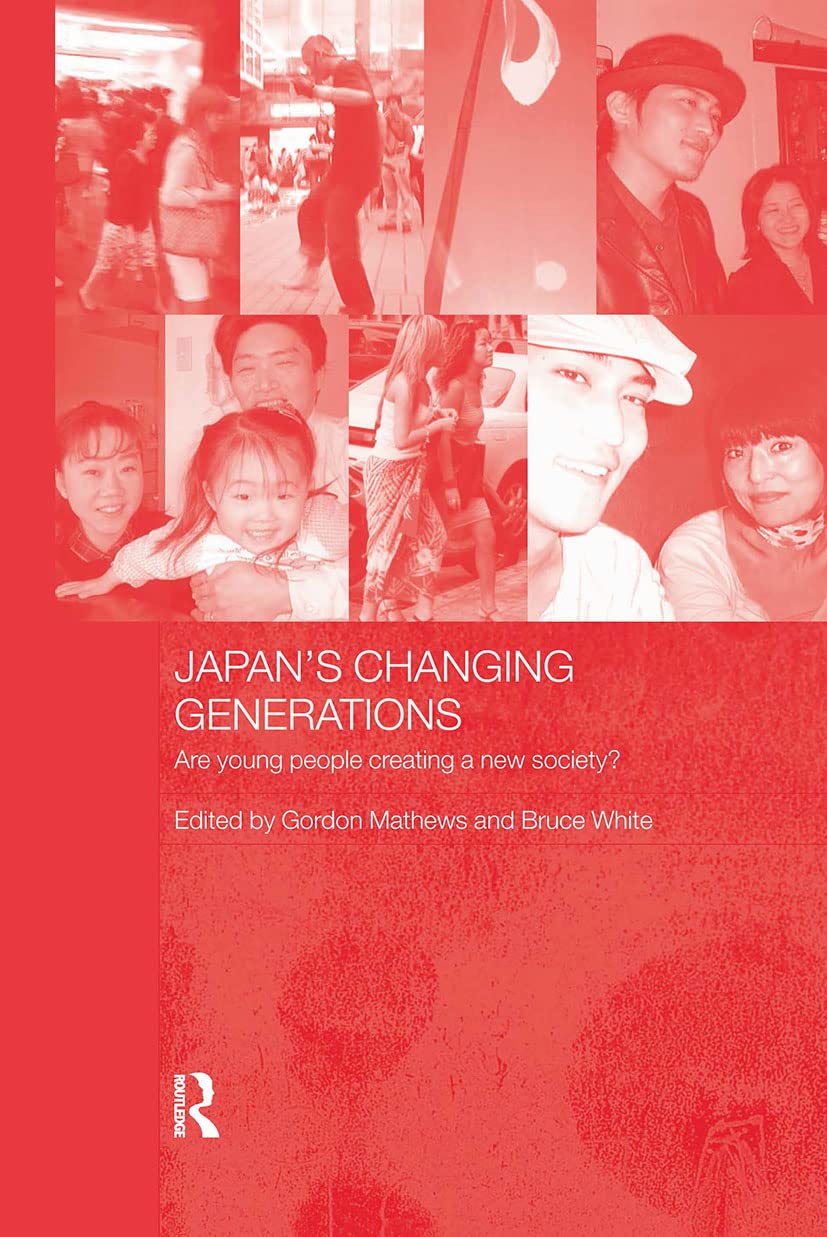
In this review of Japan's Changing Generations, the authors Gordon Mathews and Bruce White present a careful, anthropological look at how younger cohorts in Japan are redefining social life. The book is best for readers who want a sustained, evidence-based argument that the generation gap signals a deeper emergence of a new Japan rather than temporary youth rebellion. It serves scholars, students and engaged readers seeking clear analysis of identity, employment and parenting shifts in the wake of economic downturn.
Key Features
- Generational analysis: The book traces how teens, twenty-somethings and early thirty-somethings think differently about work and family, offering readers grounded examples of shifting values.
- Focus on legitimacy: It shows how the economic downturn has undermined the legitimacy of the existing social order, helping readers understand why youth disengagement matters.
- Identity and the body: The authors examine how younger Japanese reframe bodily practices and identities, giving concrete cultural context for changing behaviors.
- Social relationships: Detailed discussion of friendships, dating and parenting illustrates how interpersonal life is being reconfigured across generations.
- Employment perspectives: The book explores attitudes toward work and career expectations, useful for anyone studying labor and youth transitions in Japan.
Who It's For
Researchers, graduate students and informed readers of contemporary Asia will find this book particularly useful as a qualitative companion to economic or political studies. Its anthropological approach is well suited to those who want close attention to lived experience rather than broad policy prescriptions.
Readers seeking a quick, data-heavy survey or a handbook of policy solutions may want to look elsewhere; this is a reflective, interpretive study focused on meanings, identities and generational context rather than statistical modeling.
Pros & Cons
Pros
- Thoughtful, evidence-based argument that reframes the generation gap as systemic change.
- Rich qualitative detail on identity, social ties and parenting that brings the argument to life.
- Useful for interdisciplinary readers interested in culture, politics and labor in contemporary Japan.
Cons
- The focus on interpretive, anthropological material means readers looking for heavy quantitative data may find the approach limited.
Specifications
| Title | Japan's Changing Generations (Japan Anthropology Workshop Series) |
| Authors | Gordon Mathews, Bruce White |
| Subject | Generational change, identity, social relationships in Japan |
| Approach | Anthropological, qualitative analysis |
| Key themes | Identity, employment, parenting, social legitimacy |
| Intended audience | Scholars, students, engaged readers of Asian social change |
Our Verdict
Japan's Changing Generations is a persuasive, well-crafted study for anyone who wants to understand how younger Japanese are reshaping social expectations in response to economic and cultural shifts. Its strength lies in careful qualitative evidence and interpretation, making it good value for readers looking to grasp the human side of political and social transformation.
Frequently Asked Questions
Does this book argue that youth in Japan are openly rebellious?
Not exactly; the authors argue that young people are not overtly resistant but are turning away from the existing social order in less visible, generationally specific ways.
Is the book primarily quantitative or qualitative?
The study is primarily anthropological and qualitative, focusing on lived experience, identities and social relationships rather than large-scale statistics.
Who will benefit most from reading it?
Graduate students, researchers and readers interested in contemporary Japanese society, generational change and cultural anthropology will benefit most.
Editor's Take
Japan's Changing Generations offers a persuasive anthropological account showing how younger Japanese are redefining identity, work and social ties; it is a strong read for scholars and informed readers interested in social transformation.

Recently viewed
Recently viewed products will appear here as customers browse the store.