

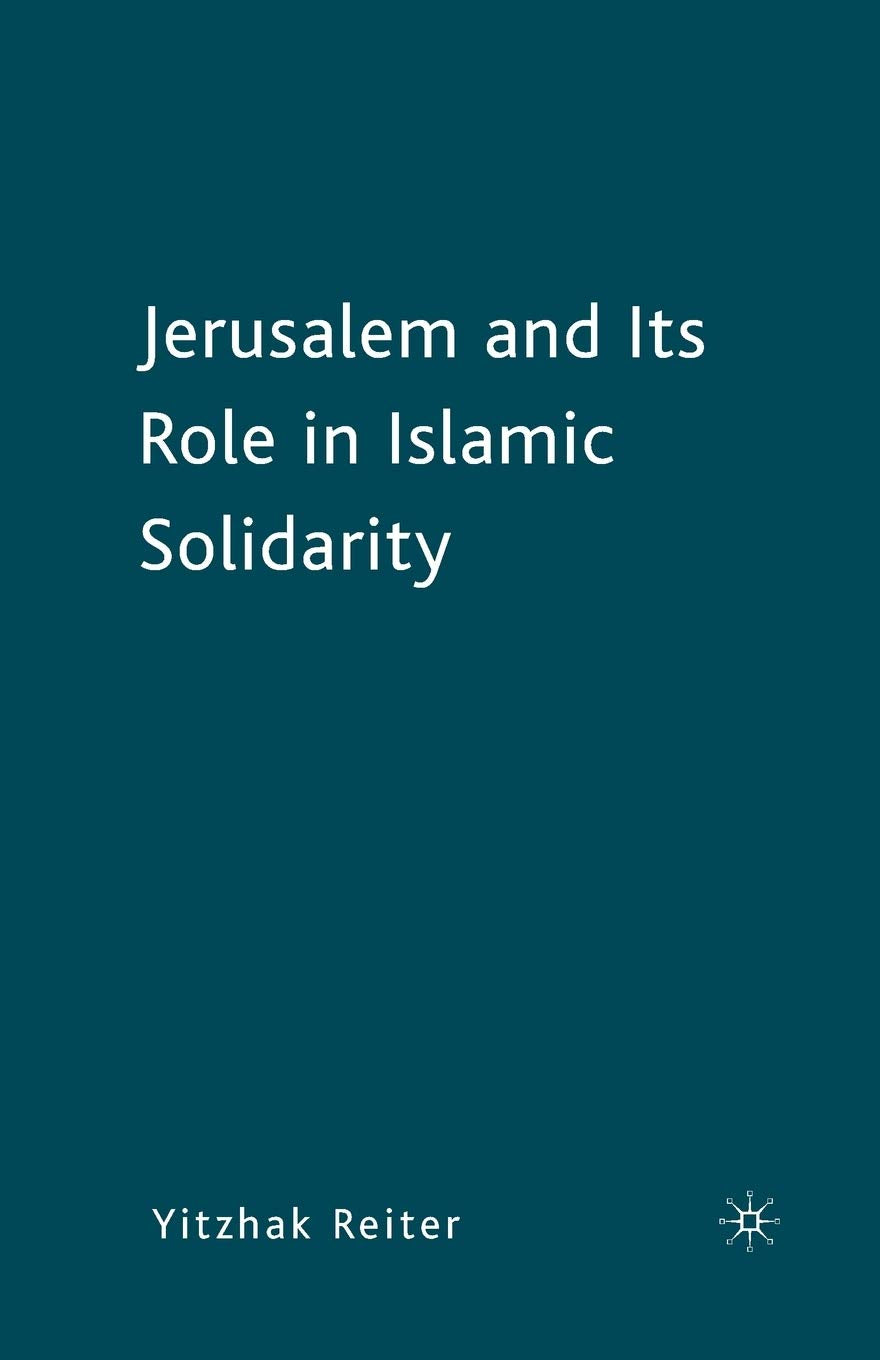
Jerusalem and Its Role in Islamic Solidarity - In-depth
Jerusalem and Its Role in Islamic Solidarity - In-depth
Price subject to change. Tap below for current.
Couldn't load pickup availability
In this review of Jerusalem and Its Role in Islamic Solidarity the reviewer evaluates a focused academic study that examines Jerusalem as a persistent religious-political symbol and how that symbolism feeds contemporary struggles. This book is for readers who want a measured, scholarly account of the ways religious sentiment toward Jerusalem aligns with Palestinian and wider Arab and Islamic political aspirations; the single biggest reason to read it is its detailed exploration of how faith-based narratives are employed in political contestation rather than mere historical description.
Key Features
- Symbolic analysis: The book traces how Jerusalem functions as a central religious-political symbol, helping readers understand the mechanics of symbolic mobilization in conflict.
- Contemporary ethos: It presents the current Islamic ethos toward Jerusalem, offering up-to-date context for modern political and religious expressions.
- Comparative narratives: The text compares Jewish and Muslim narratives, clarifying patterns of denial and de-legitimization between communities.
- Political linkage: It links religious outlooks to political aspirations of Palestinians and other Arab and Islamic groups, illuminating motivations behind policy and rhetoric.
- Peace implications: The book addresses whether religious outlooks form a major barrier to peace, providing readers a framework for evaluating peacemaking prospects.
Who It's For
This book is aimed at students, scholars, and informed readers of Middle Eastern politics who need a thoughtful, text-driven examination of religion and political symbolism. It suits those who prefer analysis of narratives and ideology over journalistic immediacy.
Readers seeking a general history of Jerusalem, a travel guide, or a strictly theological treatise should look elsewhere; this work concentrates on the interplay between religious symbolism and political strategy rather than exhaustive historical chronology or devotional instruction.
Pros & Cons
Pros
- Provides a clear framework for understanding Jerusalem as a political-religious symbol and how that shapes regional politics.
- Useful comparative approach that highlights mutual processes of de-legitimization between Jewish and Muslim narratives.
- Contributes to discussions on peace by directly addressing religious barriers and political aspirations.
Cons
- The book is analytical and may feel dense to readers expecting narrative history or popular overview.
Specifications
| Title | Jerusalem and Its Role in Islamic Solidarity |
| Author | Y. Reiter |
| Subject focus | Religious-political symbolism and modern Islamic ethos toward Jerusalem |
| Comparative scope | Compares Jewish and Muslim narratives and processes of de-legitimization |
| Core question | Whether religious outlooks are a barrier to peace in the Israeli-Arab arena |
| Intended audience | Students and scholars of politics, religion, and Middle Eastern studies |
Our Verdict
Jerusalem and Its Role in Islamic Solidarity is a valuable, focused study for readers seeking a rigorous analysis of how religious symbolism informs political claims and conflict dynamics. Its comparative emphasis and direct engagement with peace implications make it good value for academics and policy-minded readers who want to understand the ideological currents behind contemporary Middle Eastern disputes.
Frequently Asked Questions
Does this book cover historical accounts of Jerusalem?
The book concentrates on symbolic and political analysis rather than exhaustive historical narrative, so historical context is present but not the main focus.
Who would benefit most from this book?
Graduate students, scholars, and policy analysts interested in religion and politics in the Middle East will find it most useful.
Does the author propose solutions to the conflict?
The work assesses whether religious outlooks hinder peace but is analytical rather than prescriptive, focusing on understanding rather than offering detailed policy prescriptions.
Editor's Take
A focused, scholarly analysis that explains how Jerusalem functions as a religious-political symbol and examines whether religious outlooks impede peace; recommended for students and policy readers.

Recently viewed
Recently viewed products will appear here as customers browse the store.