Regular price
$190.00 USD
Price subject to change. Tap below for current.
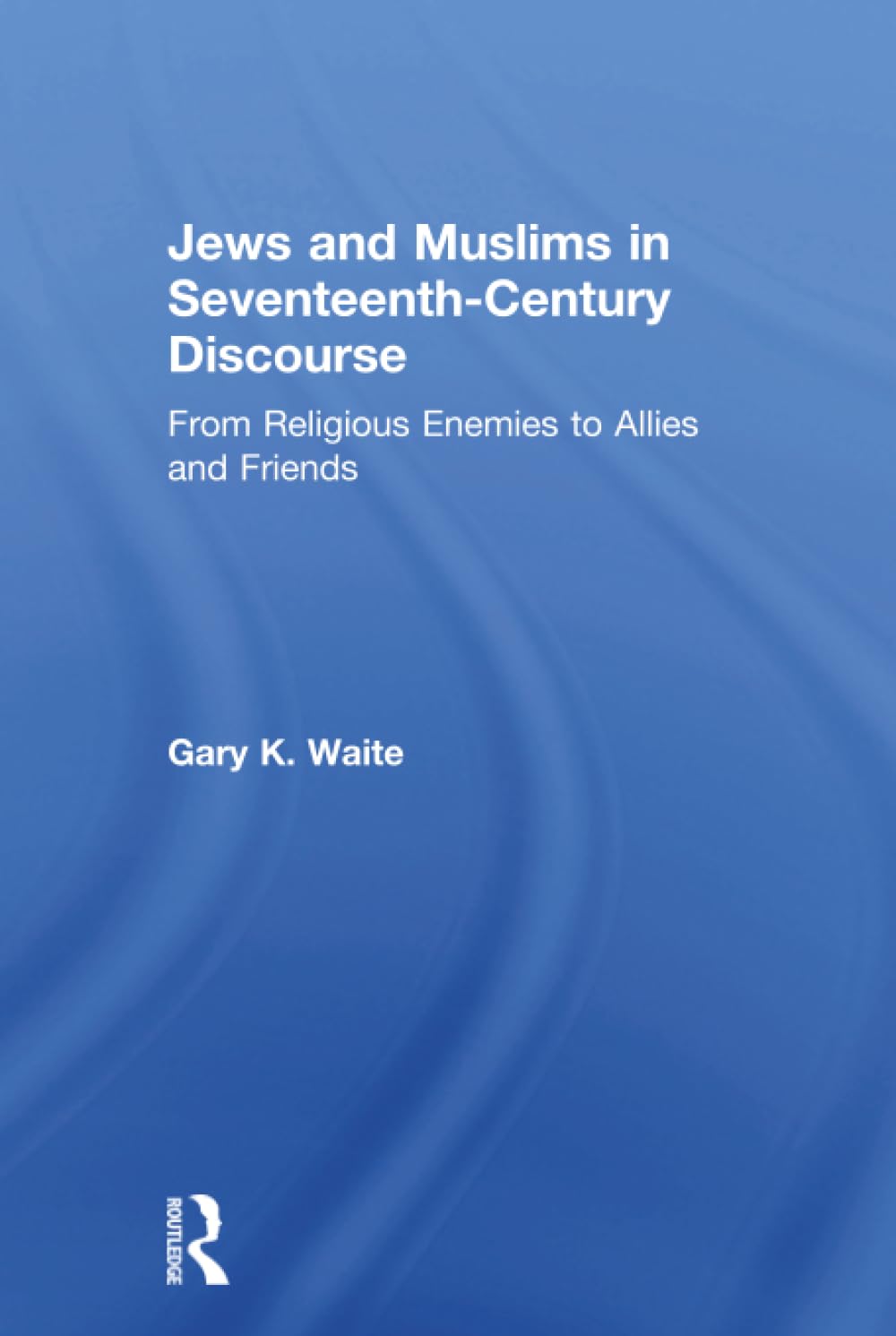
In the fascinating book Jews and Muslims in Seventeenth-Century Discourse, author Gary K. Waite explores the intricate relationships and dialogues between Jewish and Muslim communities during a pivotal era. This scholarly work delves into the cultural, religious, and social dynamics that shaped interactions between these two groups, offering readers a comprehensive understanding of their historical context.
Waite meticulously examines various texts and discourses from the seventeenth century, highlighting how religious identities were constructed and perceived. The author sheds light on the complexities of coexistence, conflict, and collaboration that characterized the lives of Jews and Muslims during this time. Through detailed analysis, the book reveals the nuances of their interactions, challenging simplistic narratives.
One of the key themes in the book is the role of literature and art in shaping perceptions. Waite discusses how writers and artists depicted Jews and Muslims, influencing public opinion and societal attitudes. This exploration of cultural representation provides valuable insights into the ways in which art and literature served as tools for both connection and division.
Furthermore, the author addresses the impact of political changes on Jewish and Muslim relations. The shifting power dynamics of the seventeenth century created new opportunities and challenges for both communities. Waite's analysis of these political contexts enriches the reader's understanding of how external factors influenced internal relationships.
In addition to historical analysis, Waite incorporates a range of primary sources, allowing readers to engage directly with the voices of the past. This approach not only enhances the book's academic rigor but also makes it accessible to a broader audience interested in interfaith dialogue and historical discourse.
The book is not just a historical account; it is a call to reflect on contemporary issues of religious coexistence and the lessons that can be learned from the past. Waite encourages readers to consider how the interactions between Jews and Muslims in the seventeenth century can inform current discussions about tolerance and understanding in today's world.
Overall, Jews and Muslims in Seventeenth-Century Discourse is an essential read for anyone interested in the complexities of religious identity, cultural exchange, and historical narratives. Waite's thorough research and engaging writing style make this book a significant contribution to the field of religious studies and history.