

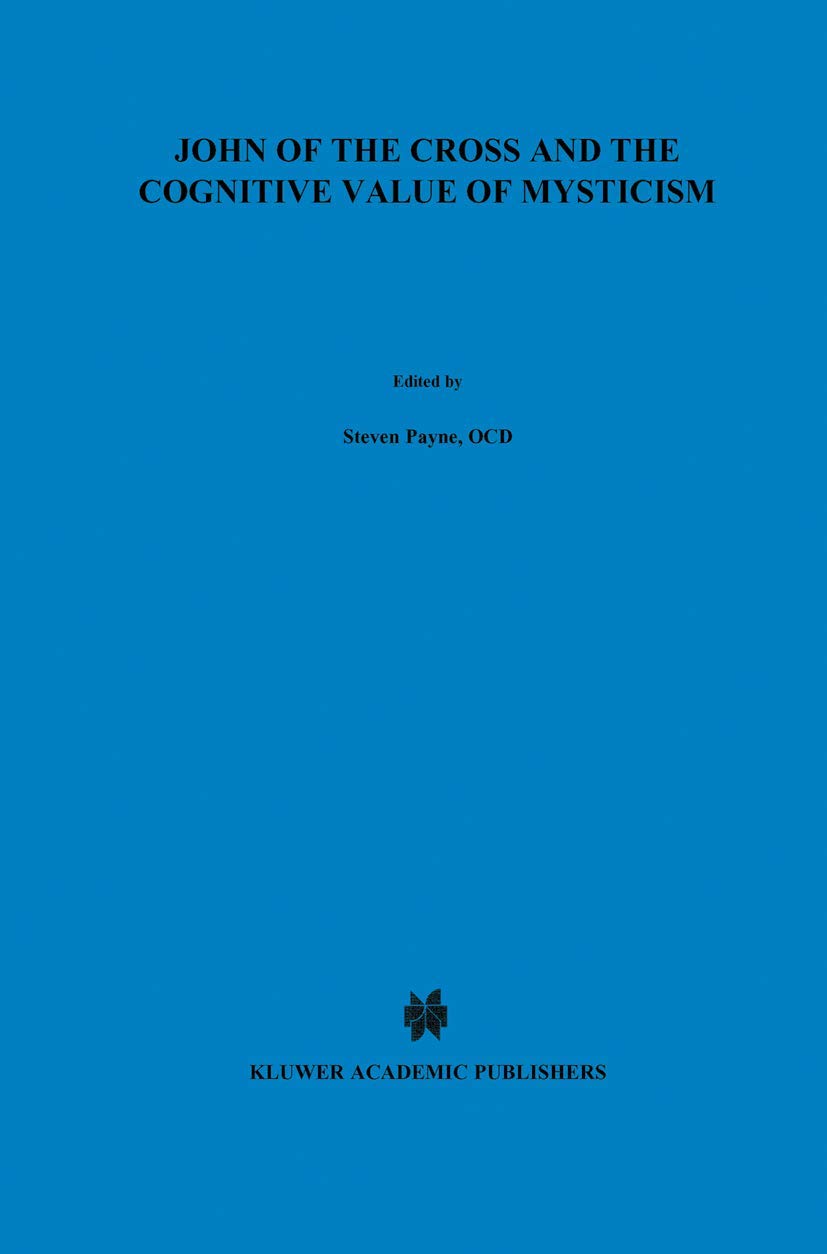
John of the Cross and the Cognitive Value of Mysticism - Philosophical
John of the Cross and the Cognitive Value of Mysticism - Philosophical
Price subject to change. Tap below for current.
Couldn't load pickup availability
In this review of John of the Cross and the Cognitive Value of Mysticism, S. Payne examines whether mystical experience can be counted as cognitive evidence within contemporary Anglo-American philosophy. The book is for readers who want a careful, text-focused study of a single mystical author and a sustained philosophical argument about epistemic significance. Its single biggest reason to buy is the sustained reconstruction of Saint John of the Cross's teachings into a coherent theory that engages current objections to the cognitive status of mysticism.
Key Features
- Focused author study: The book offers a detailed reading of Saint John of the Cross that grounds philosophical discussion in primary mystical texts, helping readers see how a historical figure can inform present debate.
- Philosophical engagement: Payne brings contemporary Anglo-American concerns about evidence and cognition to bear, translating mystical claims into terms philosophers use when assessing epistemic value.
- Critical argumentation: The work examines common objections to mysticism's epistemic significance and proposes defenses based on a coherent interpretation of Sanjuanist teaching.
- Interdisciplinary reach: The study connects religious and philosophical scholarship so those interested in theology, mysticism, or epistemology gain interdisciplinary perspective.
- Scholarly tone: The analysis is scholarly rather than devotional, suitable for academic readers and serious students who want rigorous argument rather than pious exposition.
Who It's For
The book is best for philosophy students, scholars of religion, and readers curious about the interface between mystical theology and epistemology. Those researching Saint John of the Cross or mysticism in a philosophical framework will find the focused case study particularly valuable.
Readers seeking an introductory, devotional, or pastoral guide to mysticism should look elsewhere; the text assumes familiarity with philosophical terminology and a willingness to follow careful analytic reconstruction rather than devotional narrative.
Pros & Cons
Pros
- Provides a clear, text-based reconstruction of Sanjuanist teaching that informs philosophical debate.
- Engages directly with contemporary objections to mystical knowledge, making it useful for epistemologists.
- Bridges disciplines so both theologians and philosophers can use its arguments in further research.
Cons
- The scholarly and analytic approach may feel dense for general readers looking for an accessible introduction.
Specifications
| Title | John of the Cross and the Cognitive Value of Mysticism |
| Author / Editor | S. Payne |
| Subject | Mysticism, philosophy of religion, epistemology |
| Focus | Detailed study of Saint John of the Cross (Sanjuanist teaching) |
| Approach | Philosophical analysis of epistemic significance |
| Intended audience | Scholars, graduate students, serious readers |
Our Verdict
This is a thoughtful and rigorous study that will repay readers who want a philosophical defense of mysticism using a single historical author as a test case. It is good value for students and scholars who need a concentrated, text-grounded engagement with objections to the cognitive status of mystical experience.
Frequently Asked Questions
Does this book focus on primary texts by John of the Cross?
Yes. The author bases the philosophical argument on a detailed study of Saint John of the Cross's writings and teaching.
Is this suitable for beginners in philosophy of religion?
Not ideal for beginners; the book presumes familiarity with epistemological issues and analytic argumentation.
Will the book appeal to theologians as well as philosophers?
Yes. Its interdisciplinary approach makes it relevant to both theologians interested in mysticism and philosophers studying epistemic claims.
Editor's Take
A thoughtful, text-grounded study that reconstructs Saint John of the Cross's teaching to defend the epistemic relevance of mysticism; best for scholars and serious students.

Recently viewed
Recently viewed products will appear here as customers browse the store.