

Journal of a Voyage to the Northern Whale-Fishery - Historical Arctic
Journal of a Voyage to the Northern Whale-Fishery - Historical Arctic
Price subject to change. Tap below for current.
Couldn't load pickup availability
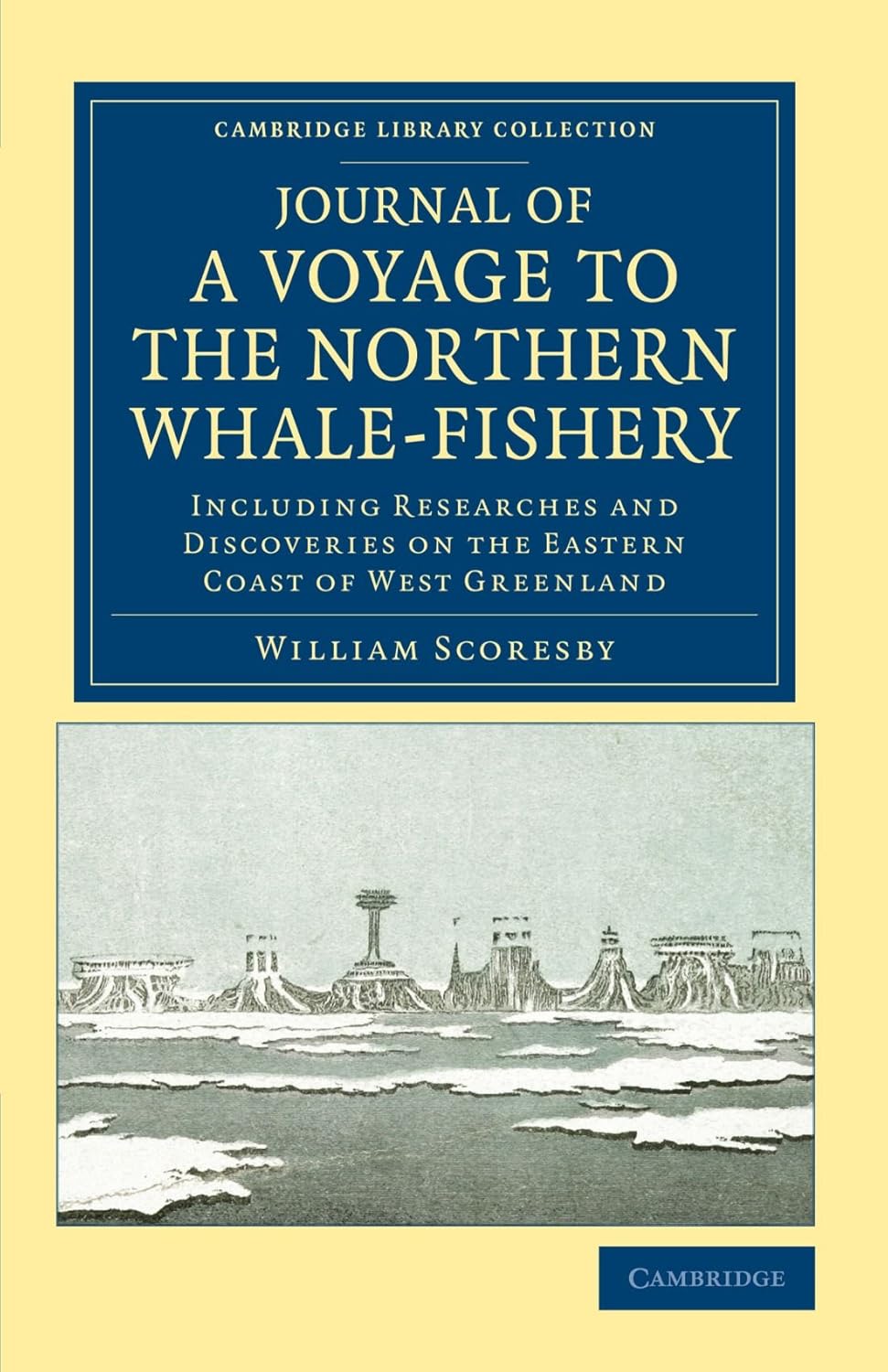
In this review of William Scoresby's Journal of a Voyage to the Northern Whale-Fishery, the bottom line is simple: this is an essential historical account for readers interested in early 19th century Arctic exploration and scientific observation. The book combines a first-person narrative of an 1822 Greenland voyage with detailed descriptions of geographical charting and natural science, making it particularly valuable to historians, geographers, and anyone curious about the origins of polar research. The review focuses on why the book remains relevant: its eyewitness detail and Scoresby's clear record of discoveries and measurements.
Key Features
- Firsthand narrative: Scoresby recounts his 1822 voyage aboard the Baffin with candid observations that place the reader aboard a contemporary whaler.
- Scientific observations: The journal documents measurements and remarks on meteorology, oceanography, and magnetism, useful to readers interested in early scientific methods.
- Geographical discovery: Scoresby charted a large section of the eastern coast of West Greenland, offering concrete place-based reporting from an era of active Arctic mapping.
- Authoritative perspective: As a lifelong Greenland voyager and later a Fellow of the Royal Society, Scoresby provides informed interpretation born of decades at sea.
- Historical context: First published in 1823, the journal captures the practices and priorities of early 19th century whale-fishing and exploration.
Who It's For
This journal is best for readers who appreciate primary sources: historians of polar exploration, students of 19th century science, and enthusiasts of nautical narrative will find Scoresby's account both informative and evocative. The combination of voyage narrative and scientific notes makes it a good reference for academic reading lists or personal libraries focused on Arctic studies.
Readers seeking modern guidebooks, contemporary scientific syntheses, or richly illustrated travelogues should look elsewhere; the text is rooted in its period and relies on prose and observations rather than modern interpretation or photography. Those expecting a quick, popular read may find the detailed technical observations denser than anticipated.
Pros & Cons
Pros
- Authentic firsthand account that places the reader on an 1822 Greenland whaler.
- Valuable scientific observations in meteorology, oceanography, and magnetism from an early practitioner.
- Notable geographical contributions through charting of the eastern coast of West Greenland.
Cons
- The language and style reflect its 1823 publication; modern readers may find the prose formal and detailed rather than brisk.
Specifications
| Title | Journal of a Voyage to the Northern Whale-Fishery |
| Author | William Scoresby junior |
| First published | 1823 |
| Voyage year covered | Summer of 1822 |
| Subject focus | Arctic exploration, meteorology, oceanography, magnetism |
| Region | Eastern coast of West Greenland |
Our Verdict
Scoresby's journal is a worthwhile acquisition for anyone assembling a serious collection on polar history or early scientific exploration. Its firsthand observations and charting work continue to have historical value, and the text offers good value for readers who appreciate original accounts rather than modern retellings.
Frequently Asked Questions
Does this book contain scientific observations?
Yes. Scoresby records observations on meteorology, oceanography, and magnetism alongside his narrative of the 1822 voyage.
Is this a modern edition with commentary?
The review addresses the original narrative and its content; editions vary, so check the specific publication for modern introductions or editorial notes.
Who authored the journal?
William Scoresby junior, a lifelong Greenland voyager and later Fellow of the Royal Society, is the author.
Editor's Take
Scoresby's journal is a valuable primary source for polar history and early scientific exploration, offering firsthand narrative, detailed observations, and notable charting of Greenland's coast.

Recently viewed
Recently viewed products will appear here as customers browse the store.