

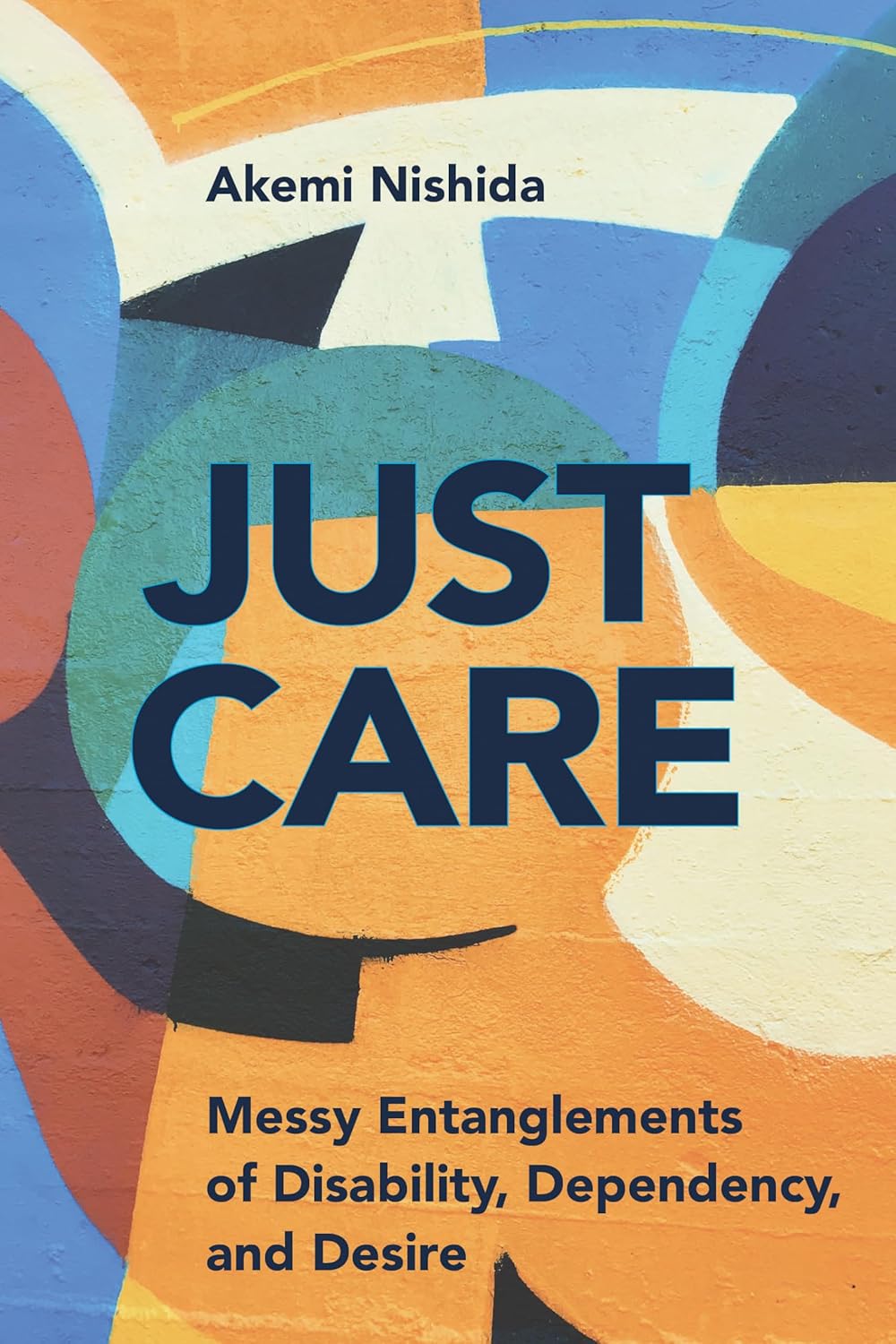
Just Care: Messy Entanglements of Disability, Dependency, and Desire
Just Care: Messy Entanglements of Disability, Dependency, and Desire
Price subject to change. Tap below for current.
Couldn't load pickup availability
In this review of Just Care readers will find a careful, critical examination of how care is structured under contemporary neoliberal systems and why that matters. Akemi Nishida frames care not as a private matter but as a political and social terrain, and this book is best for readers seeking a thoughtful blend of theory and lived experience. The single biggest reason to pick up Just Care is its sustained attention to how disability, migration status, race, gender, and economic inequality interlock to shape both oppression and imaginative practices of community care.
Key Features
- Critical analysis: Nishida maps how the current political economy converts care into a business opportunity and a mechanism of social control, clarifying structural causes of care injustice.
- Focus on lived experience: The book centers the perspectives of caregivers and care receivers, highlighting everyday negotiations and moral complexity faced by people in care relationships.
- Disability-led practices: Nishida documents how people with disabilities assemble community care collectives and bed activism as practical alternatives to institutionalized care.
- Intersectional lens: The text links care to disability, race, gender, migration status, and wealth, offering a multilayered view of how social orders produce harm.
- Practical imagination: Beyond critique, the book explores visions for reimagining care as a driver of social change, not merely a service to be bought and sold.
Who It's For
Just Care is aimed at scholars, activists, healthcare practitioners, and readers interested in disability studies, social justice, and political economy who want a rigorous, humane account of care politics. It is particularly useful for those looking to connect academic critique with grassroots practices such as community care collectives.
Readers looking for a quick how-to manual for caregiving or a purely clinical textbook on nursing practices should look elsewhere; this is primarily a theoretical and activist-oriented treatment rather than a step-by-step care guide.
Pros & Cons
Pros
- Provides a clear critique of how neoliberal systems commodify care, making structural dynamics visible.
- Gives voice to those situated as caregivers, receivers, or both, grounding theory in lived experience.
- Highlights community care and bed activism as actionable models for collective resistance and reimagining care.
Cons
- The book is framed as analysis and activism rather than a clinical manual, so practitioners seeking procedural guidance may find it less directly applicable.
Specifications
| Title | Just Care: Messy Entanglements of Disability, Dependency, and Desire |
| Author | Akemi Nishida |
| Subject focus | Care injustice, disability, community care, bed activism |
| Approach | Critical analysis with lived-experience accounts |
| Major themes | Neoliberal political economy, race, gender, migration, wealth |
Our Verdict
Just Care is a thoughtful, timely contribution for readers who want to understand care as a site of political struggle and collective possibility. Its strength lies in connecting structural critique with examples of community-led practices, making it good value for students, activists, and professionals seeking a deeper ethical and social understanding of care.
Frequently Asked Questions
Is this book a practical caregiving manual?
This book is primarily analytical and activist in orientation rather than a step-by-step clinical guide.
Does the author discuss disability-led alternatives?
Yes, Nishida highlights community care collectives and bed activism as forms of resistance and reimagined care.
Who benefits most from reading this book?
Scholars, activists, and practitioners interested in the intersection of care, disability, and social justice will get the most from it.
Editor's Take
Just Care offers a thoughtful critique of how neoliberal systems commodify care while highlighting disability-led community care and bed activism; recommended for activists, scholars, and practitioners seeking a deeper ethical understanding of care.

Recently viewed
Recently viewed products will appear here as customers browse the store.