

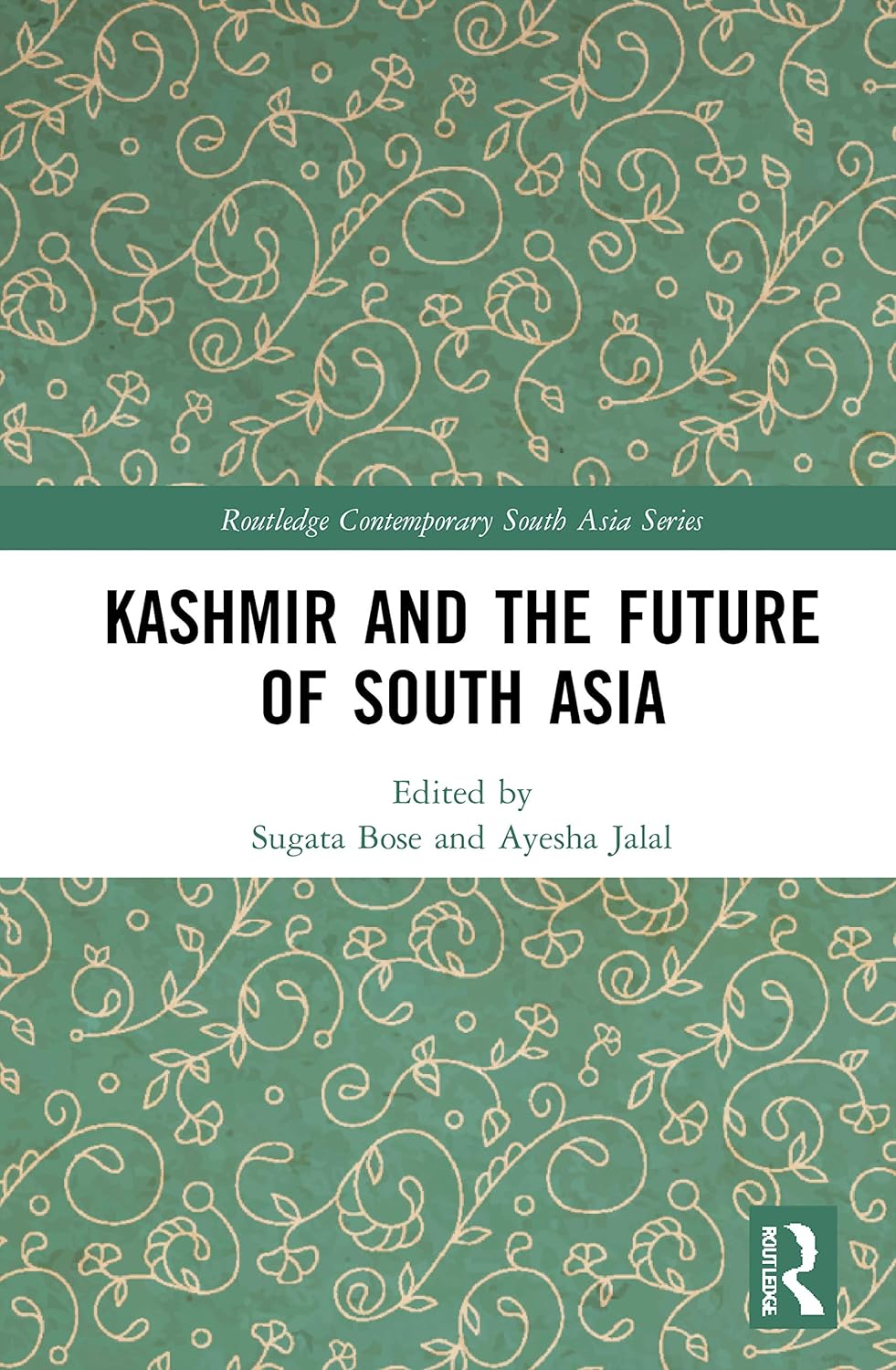
Kashmir and the Future of South Asia - A People-Centered
Kashmir and the Future of South Asia - A People-Centered
Price subject to change. Tap below for current.
Couldn't load pickup availability
In this review of Kashmir and the Future of South Asia, the authors present a measured, people-centered account of the Kashmir dispute that will matter most to readers seeking historical depth rather than polemic. The book foregrounds Kashmiri voices and treats Kashmir as a cultural and political sphere that continues to shape national identities in South Asia. For students, historians, and engaged readers wanting a nuanced, postcolonial framing, this title offers thoughtful chapters that tie local experience to wider national and global dynamics.
Key Features
- People-centered approach: The book centers Kashmiri voices to illuminate how ordinary lives and cultural expressions shape the longer history of the conflict.
- Postcolonial framing: Readers benefit from a clear exploration of why partitions remain unfinished and how postcolonial nation-state formation fuels ongoing tensions.
- Comparative national discourse: Chapters examine Kashmir in the national narratives of India and Pakistan, helping readers understand competing state perspectives.
- Resistance and imagination: The text highlights resistance in the Kashmiri imagination and the role of literature and art, which broadens the historical evidence beyond politics alone.
- Global context: Placing the Kashmir conflict in a global frame helps readers see transnational forces and historical continuities that influence the region today.
Who It's For
This book is aimed at graduate students, scholars of South Asian history, and readers who want a reflective, interdisciplinary treatment of Kashmir rather than a one-sided polemic. The review recommends it for those interested in cultural history, postcolonial studies, and the role of local voices in shaping broader political narratives.
Readers seeking a short, purely journalistic brief or a how-to political guide should look elsewhere; the work is scholarly and interpretive rather than a rapid news summary or policy manual.
Pros & Cons
Pros
- Centers Kashmiri perspectives, giving space to cultural and literary production often absent in state-centered histories.
- Uses a postcolonial lens that clarifies why partition-related conflicts persist across South Asia.
- Situates the Kashmir story within both national discourses and global contexts for a rounded view.
Cons
- The book's scholarly, interpretive style may be dense for casual readers seeking light introduction.
Specifications
| Title | Kashmir and the Future of South Asia |
| Series | Routledge Contemporary South Asia Series |
| Authors | Sugata Bose, Ayesha Jalal |
| Focus | People-centered history of the Kashmir conflict and postcolonial partitions |
| Themes | Culture, national discourse, resistance, global context |
| Audience | Students, historians, readers of South Asian studies |
Our Verdict
For readers prepared to engage with a thoughtful, scholarly narrative, this book is a valuable investment: it reframes Kashmir as a living cultural and political space and shows why partition legacies still matter. It offers strong value to anyone studying South Asia or postcolonial conflicts by combining careful archival and cultural attention with clear interpretive framing.
Frequently Asked Questions
Does this book include Kashmiri voices?
Yes, the authors explicitly foreground Kashmiri cultural, literary, and artistic productions throughout the chapters.
Is the book suitable for nonacademic readers?
It is written in a scholarly style and is best for readers comfortable with deeper historical and theoretical analysis.
What perspective does the book take on partition?
The book uses a postcolonial framework to argue that partitions remain unfinished and continue to shape internal conflicts in South Asia.
Editor's Take
This scholarly, people-centered study reframes Kashmir as a cultural and political space that illuminates why partitions remain unfinished; recommended for students and readers of South Asian history.

Recently viewed
Recently viewed products will appear here as customers browse the store.