

Keratoconus: Recent Advances in Diagnosis and Treatment - Clinical
Keratoconus: Recent Advances in Diagnosis and Treatment - Clinical
Price subject to change. Tap below for current.
Couldn't load pickup availability
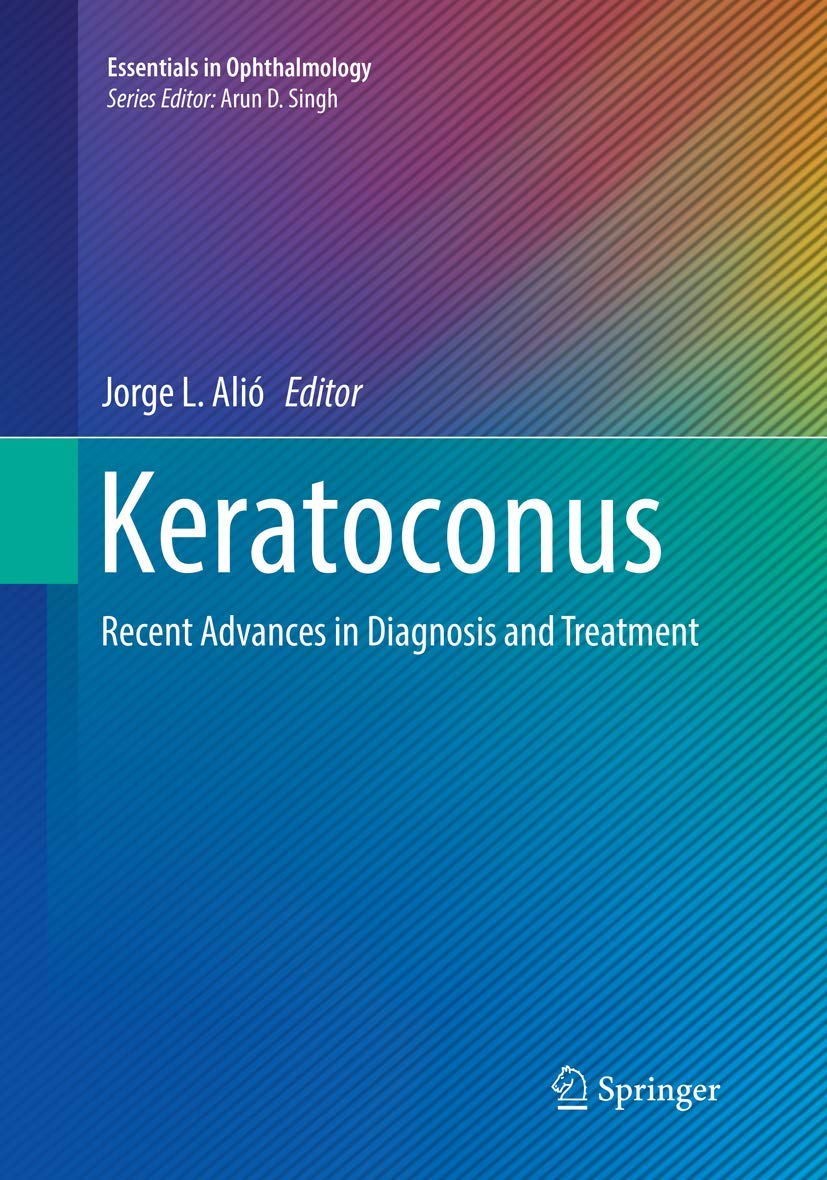
In this review of Keratoconus: Recent Advances in Diagnosis and Treatment, the book is recommended for practicing ophthalmologists, cornea specialists, and advanced trainees who need a focused update on recent diagnostic and therapeutic developments. The single biggest reason to buy is its concentrated examination of new imaging, mathematical and biomechanical approaches that help translate complex data into clinical decisions. The text reads as a clinical resource rather than a general overview, and it is targeted to readers who already understand basic corneal disease and want practical insights into modern keratoconus evaluation and management.
Key Features
- Updated diagnostic imaging: Describes the imaging techniques developed in the last decade that improve early detection of keratoconus and map progression more precisely.
- Examination technique correlations: Explains how clinical examination findings relate to the evolution of keratoconus, aiding interpretation of signs in practice.
- Therapeutic options reviewed: Summarizes the range of therapeutic tools created over recent years so clinicians can compare indications and outcomes.
- Mathematical and biomechanical analysis: Presents fundamentals for new diagnostic elements based on mathematical, physical and biomechanical data for deeper understanding.
- Clinical focus: Orients material toward practical decision making so ophthalmologists can apply advances directly to patient care.
Who It's For
The book is best suited to ophthalmologists and cornea specialists who require an up-to-date, clinically oriented summary of diagnostic imaging and therapeutic innovations in keratoconus. Trainees in advanced residency or fellowship programs will also find the focused discussion of biomechanics and imaging helpful for interpreting modern test results.
This is less appropriate for lay readers or general practitioners seeking an introductory text, as the content assumes familiarity with corneal disease and clinical examination techniques rather than providing basic background or patient-directed guidance.
Pros & Cons
Pros
- Concise update on recent imaging advances that enhances early diagnosis and monitoring.
- Clear discussion of how examination techniques relate to disease evolution, aiding practical assessment.
- Coverage of new therapeutic tools gives clinicians a framework for choosing interventions.
- In-depth analysis of mathematical and biomechanical data supports evidence-based interpretation.
Cons
- Focused, technical content requires prior ophthalmology knowledge and may not serve beginners.
Specifications
| Title | Keratoconus: Recent Advances in Diagnosis and Treatment |
| Series | Essentials in Ophthalmology |
| Author / Editor | Jorge L. Alio |
| Subject | Keratoconus diagnosis and treatment advances |
| Focus areas | Diagnostic imaging, examination correlation, therapeutic tools, biomechanics |
| Audience | Ophthalmologists, cornea specialists, advanced trainees |
Our Verdict
For clinicians and trainees who need a compact, technically informed update on keratoconus, this volume is a useful value: it brings together recent imaging developments, therapeutic options, and biomechanical analysis in a clinically focused way. Buy it if you want a targeted resource to inform diagnosis and treatment decisions rather than a general textbook for beginners.
Frequently Asked Questions
Does this book cover new imaging methods?
Yes. The book describes the diagnostic imaging techniques developed over the last decade and how they improve keratoconus diagnosis and monitoring.
Is this suitable for general practitioners?
No. The text assumes prior ophthalmology knowledge and is aimed at specialists and advanced trainees rather than primary care clinicians.
Does it explain biomechanical testing?
Yes. The book analyzes mathematical, physical and biomechanical data that underpin new diagnostic elements for a deeper clinical understanding.
Editor's Take
A focused, clinically oriented update that brings recent imaging, biomechanical analysis and therapeutic options together for ophthalmologists and cornea specialists who need to apply modern diagnostics and treatments in practice.

Recently viewed
Recently viewed products will appear here as customers browse the store.