

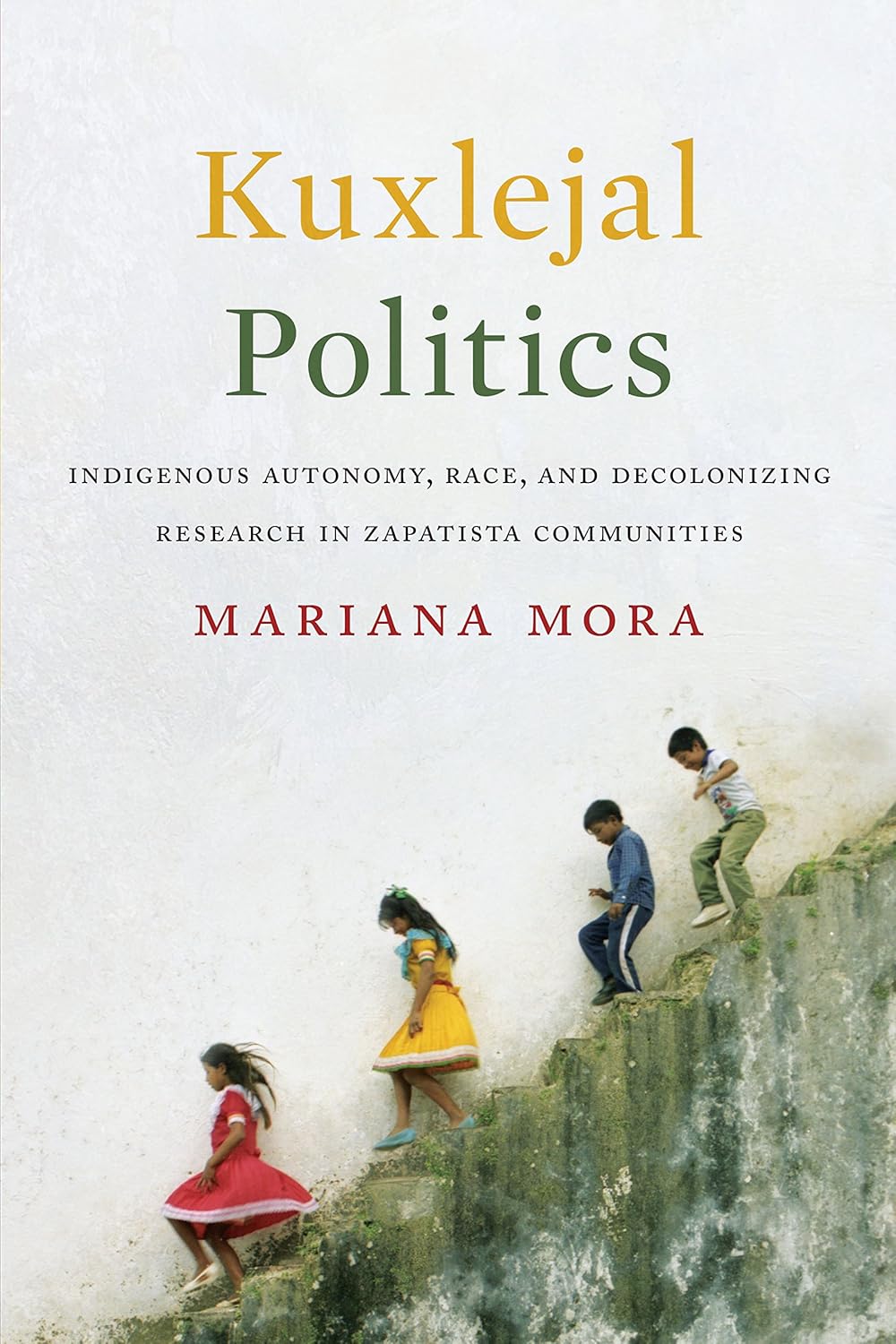
Kuxlejal Politics: Indigenous Autonomy, Race, and Decolonizing
Kuxlejal Politics: Indigenous Autonomy, Race, and Decolonizing
Price subject to change. Tap below for current.
Couldn't load pickup availability
In this review of Kuxlejal Politics, Mariana Mora presents a sustained ethnography intended for readers interested in indigenous autonomy, decolonizing research, and political anthropology. The book synthesizes more than a decade of fieldwork in Chiapas and collaborative methods with Tseltal and Tojolabal community members, and the single biggest reason to buy is its close attention to how everyday practices produce lekil kuxlejal, a dignified collective life rooted in territory. This review highlights why the book matters for scholars, activists, and readers looking for a grounded account of Zapatista life politics.
Key Features
- Extended fieldwork: More than ten years of research provide detailed narratives and thick description that bring community practices and testimony to life.
- Collaborative methods: Tseltal and Tojolabal community members helped design and evaluate the fieldwork, offering legitimacy and ethical depth to the findings.
- Theoretical focus: The book connects everyday practices to broader debates about race, autonomy, and the racialized effects of the Mexican neoliberal state.
- Activist anthropology: Mora frames the work as solidarity-based scholarship, showing how research can be accountable to the communities studied.
- Rich case studies: Detailed accounts of Zapatista strategies for self-determination illustrate how lekil kuxlejal operates in specific territorial and social contexts.
Who It's For
Who will benefit: This book is best for graduate students, researchers in political anthropology and indigenous studies, and activists seeking an ethnographically grounded account of Zapatista autonomy and decolonizing research practices. Its emphasis on collaborative fieldwork will be especially useful for those designing ethical, community-engaged projects.
Who should look elsewhere: General readers seeking a brief introduction to the Zapatistas or a broad political history may find the dense ethnographic detail and methodological focus more than they need; a shorter overview or history might be a better starting point.
Pros & Cons
Pros
- Thorough, long-term ethnography offers deep context and lived testimony that illuminate Zapatista kuxlejal politics.
- Collaborative research design strengthens the book's ethical stance and produces grounded insights into autonomy and territory.
- Clear linkage between everyday practices and broader questions of race and neoliberal state effects makes it relevant for social theory.
Cons
- The dense academic style and detailed field material may feel demanding for casual readers seeking a concise political summary.
Specifications
| Title | Kuxlejal Politics: Indigenous Autonomy, Race, and Decolonizing Research in Zapatista Communities |
| Author | Mariana Mora |
| Geographic focus | Chiapas, Mexico |
| Community partners | Tseltal and Tojolabal community members |
| Research duration | More than ten years of extended research and solidarity work |
| Approach | Activist anthropology and collaborative ethnography |
Our Verdict
Kuxlejal Politics is a rigorous, ethically grounded ethnography that delivers strong value for scholars and practitioners interested in indigenous autonomy and decolonizing research. Its long-term, collaborative fieldwork offers unique, practice-based insights into how Zapatista life politics unsettle race and neoliberal state effects, making it a worthwhile purchase for readers committed to careful, community-centered scholarship.
Frequently Asked Questions
Does this book draw on community collaboration?
Yes. Tseltal and Tojolabal community members helped design and evaluate the fieldwork, which is central to the book's methodology.
What is the main geographic focus of the research?
The ethnography is based on extended research in Chiapas, Mexico, with Zapatista communities.
Is this book suitable for general readers?
It is primarily geared toward academic and activist audiences; casual readers may find the ethnographic depth demanding.
Editor's Take
Kuxlejal Politics is a rigorous, ethically grounded ethnography offering deep, collaborative insight into Zapatista autonomy; recommended for scholars and activists seeking community-centered analysis.

Recently viewed
Recently viewed products will appear here as customers browse the store.