

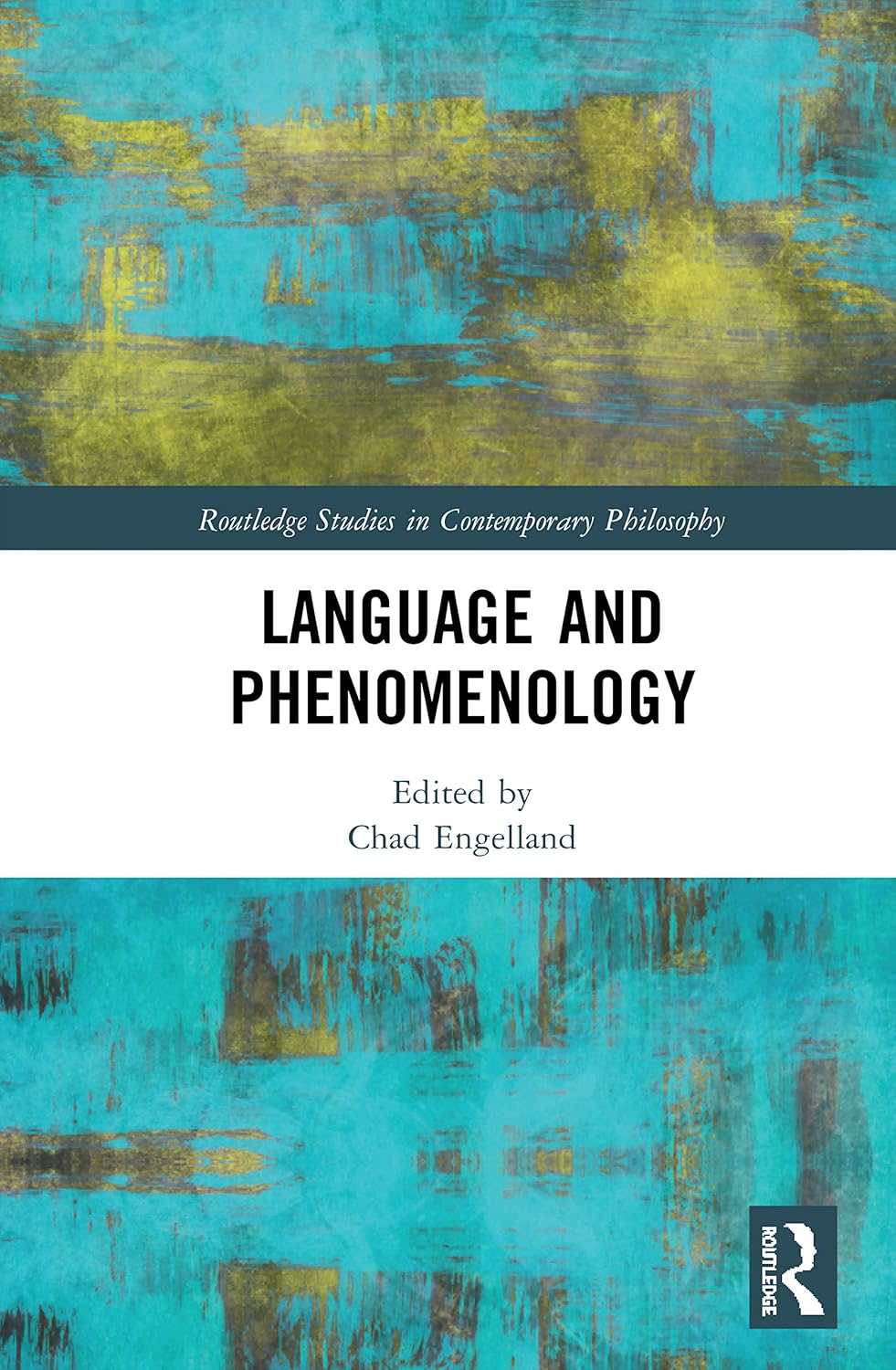
Language and Phenomenology - Contemporary Philosophy
Language and Phenomenology - Contemporary Philosophy
Price subject to change. Tap below for current.
Couldn't load pickup availability
In this review of Language and Phenomenology readers will find a focused collection that argues phenomenology is deeply bound with language rather than merely a study of perception or cognition. The volume collects essays that trace how thinkers from Husserl to Ricoeur treat meaning, reference, and the lived first-person perspective, and it is most valuable for scholars and graduate students who want a clear phenomenological account of language. If you seek a concise, theory-driven treatment that links experience to linguistic expression, this collection delivers considered, essay-length analyses.
Key Features
- Phenomenological focus: Essays demonstrate how questions of meaning and reference are inseparable from lived experience, offering close readings of primary texts.
- Historical range: Contributors engage with Husserl, Heidegger, Merleau-Ponty, Gadamer, and Ricoeur to show continuity and divergence across the tradition.
- Thematic clarity: The book isolates two central question sets about the relatedness of language to experience and the first-person character of meaning.
- Scholarly essays: Each chapter provides extended argumentation suitable for seminar use and for building secondary literature on language in phenomenology.
- Interdisciplinary appeal: The collection speaks to readers in philosophy of language, hermeneutics, and continental phenomenology with concepts that cross disciplinary boundaries.
Who It's For
This volume is best for graduate students, researchers, and professors in continental philosophy who need rigorous treatments of how phenomenology treats language and reference. It suits seminar reading lists where primary texts are paired with interpretive essays that clarify debates about meaning and the first-person perspective.
Those seeking introductory textbooks or a handbook-style survey of phenomenology should look elsewhere; this collection assumes some familiarity with core phenomenological figures and reads as advanced, essay-based scholarship rather than an entry-level primer.
Pros & Cons
Pros
- Deep engagement with primary phenomenological authors makes the essays useful for advanced study and citation.
- Clear focus on the link between language and lived experience provides a distinct thematic contribution to philosophy of language.
- Useful for interdisciplinary discussion, connecting hermeneutics and phenomenology in concrete ways.
Cons
- The book is essayistic and assumes prior knowledge of Husserl and Heidegger, so it is not an introductory text.
Specifications
| Title | Language and Phenomenology (Routledge Studies in Contemporary Philosophy) |
| Author / Editor | Chad Engelland |
| Series | Routledge Studies in Contemporary Philosophy |
| Subject focus | Phenomenology, philosophy of language, hermeneutics |
| Primary figures discussed | Husserl, Heidegger, Merleau-Ponty, Gadamer, Ricoeur |
Our Verdict
Language and Phenomenology is a focused, scholarly collection that rewards readers who want to see how phenomenology bears on meaning and reference; it is good value for advanced students and researchers because of its careful readings of major phenomenologists and its clear thematic aim linking language to lived experience.
Frequently Asked Questions
Is this book suitable for beginners?
The collection is geared toward readers with prior exposure to phenomenology and is not intended as a general introduction.
Which authors receive the most attention?
The essays engage closely with Husserl, Heidegger, Merleau-Ponty, Gadamer, and Ricoeur as central figures in the discussion.
Is the book useful for classroom use?
Yes; the essay format and focused topics make several chapters suitable for graduate seminars and advanced undergraduate courses.
Editor's Take
Language and Phenomenology is a focused scholarly collection that convincingly links phenomenology to questions of language and lived experience; it is particularly valuable for advanced students and researchers who need close readings of Husserl, Heidegger, Merleau-Ponty, Gadamer, and Ricoeur.

Recently viewed
Recently viewed products will appear here as customers browse the store.