

Law and Piety in Medieval Islam - Reviewed Historical Study
Law and Piety in Medieval Islam - Reviewed Historical Study
Price subject to change. Tap below for current.
Couldn't load pickup availability
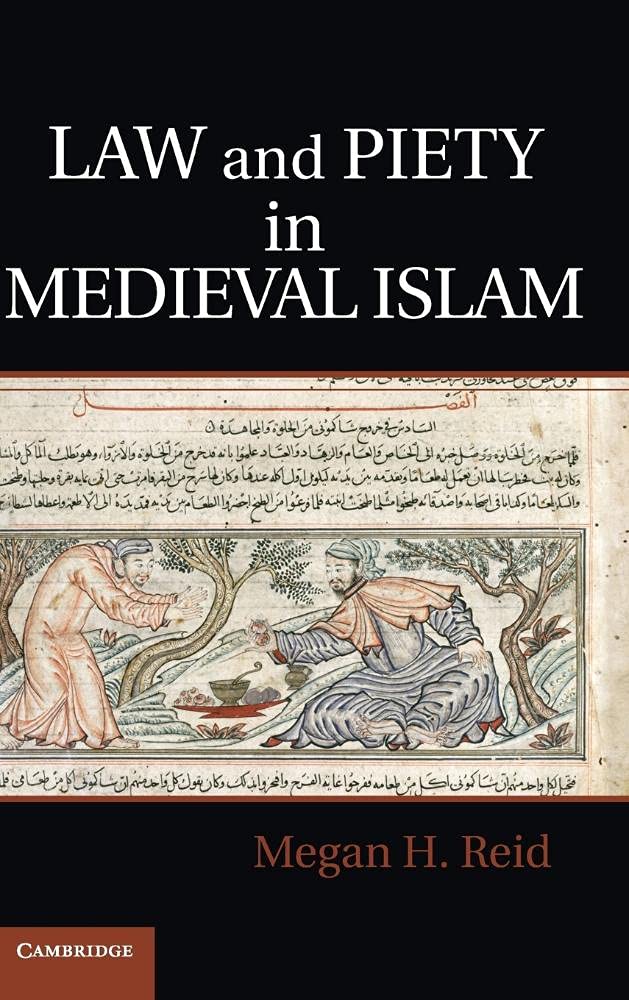
In this review of Law and Piety in Medieval Islam, Megan H. Reid presents a careful, readable study that will appeal to scholars and informed readers interested in the intellectual and devotional life of the Ayyubid and Mamluk eras. The book's principal strength is its recovery of lived religious practice across three centuries, using legal manuals, fatwas, chronicles and obituaries to show how voluntary piety shaped everyday conduct; readers seeking a focused historical examination of medieval Islamic devotion will find this work especially rewarding.
Key Features
- Chronological scope: Covers roughly 1170 to 1500, allowing readers to trace long-term trends in religious practice across the Ayyubid and Mamluk periods.
- Source variety: Draws on manuals of law, fatwa collections, chronicles and obituaries to reconstruct both elite and popular forms of devotional practice.
- Focus on practice: Emphasizes voluntary rituals and bodily disciplines that aimed at seeking God's favor, offering concrete examples rather than abstract theory.
- Social insight: Shows how piety could imply withdrawal from worldly pleasures and even from aspects of social life, illuminating tensions between law and lived devotion.
- Accessible argument: Presents scholarly material in a way that is approachable for non-specialists while still engaging specialists through careful citations and synthesis.
Who It's For
Scholars of Islamic history, graduate students, and readers with a strong interest in medieval religious practice will gain the most from Reid's work, particularly those researching law, devotional literature, or Mamluk-era society. The book's methodological use of diverse documentary sources also makes it useful for historians of religion and legal history looking for case studies of lived piety.
Readers seeking a broad general survey of medieval world history or a purely theological treatise should look elsewhere; this is a focused academic study that presumes interest in primary-source based analysis rather than a casual popular history.
Pros & Cons
Pros
- Clear recovery of overlooked practices through close readings of legal and biographical sources.
- Strong integration of social and legal history that clarifies how devotion shaped behavior and identity.
- Chronological breadth provides perspective on continuity and change over three centuries.
Cons
- The focused academic approach may feel dense to casual readers unfamiliar with primary-source conventions.
Specifications
| Title | Law and Piety in Medieval Islam |
| Series | Cambridge Studies in Islamic Civilization |
| Author | Megan H. Reid |
| Geographical focus | Ayyubid and Mamluk regions |
| Chronological coverage | Circa 1170 to 1500 |
| Source types | Legal manuals, fatwas, chronicles, obituaries |
Our Verdict
Law and Piety in Medieval Islam is a well-documented, carefully argued study that recovers the lived devotional practices of medieval Muslims with precision. It is good value for students and scholars who need a source-rich, historiographical treatment of piety and legal culture in the Ayyubid and Mamluk eras.
Frequently Asked Questions
Does the book use primary sources?
Yes. Reid uses legal manuals, fatwa collections, chronicles and obituaries to reconstruct historical practice.
What period does it cover?
The study spans roughly 1170 to 1500, focusing on the Ayyubid and Mamluk centuries.
Is it suitable for general readers?
It is aimed at scholars and informed readers; general readers may find some chapters dense but still rewarding.
Editor's Take
A source-rich, carefully argued study that recovers lived devotional practices in the Ayyubid and Mamluk eras; recommended for scholars and serious students of medieval Islamic law and piety.

Recently viewed
Recently viewed products will appear here as customers browse the store.