Law and the Brain: Exploring the Intersection of Neuroscience
Law and the Brain: Exploring the Intersection of Neuroscience
Price subject to change. Tap below for current.
Couldn't load pickup availability
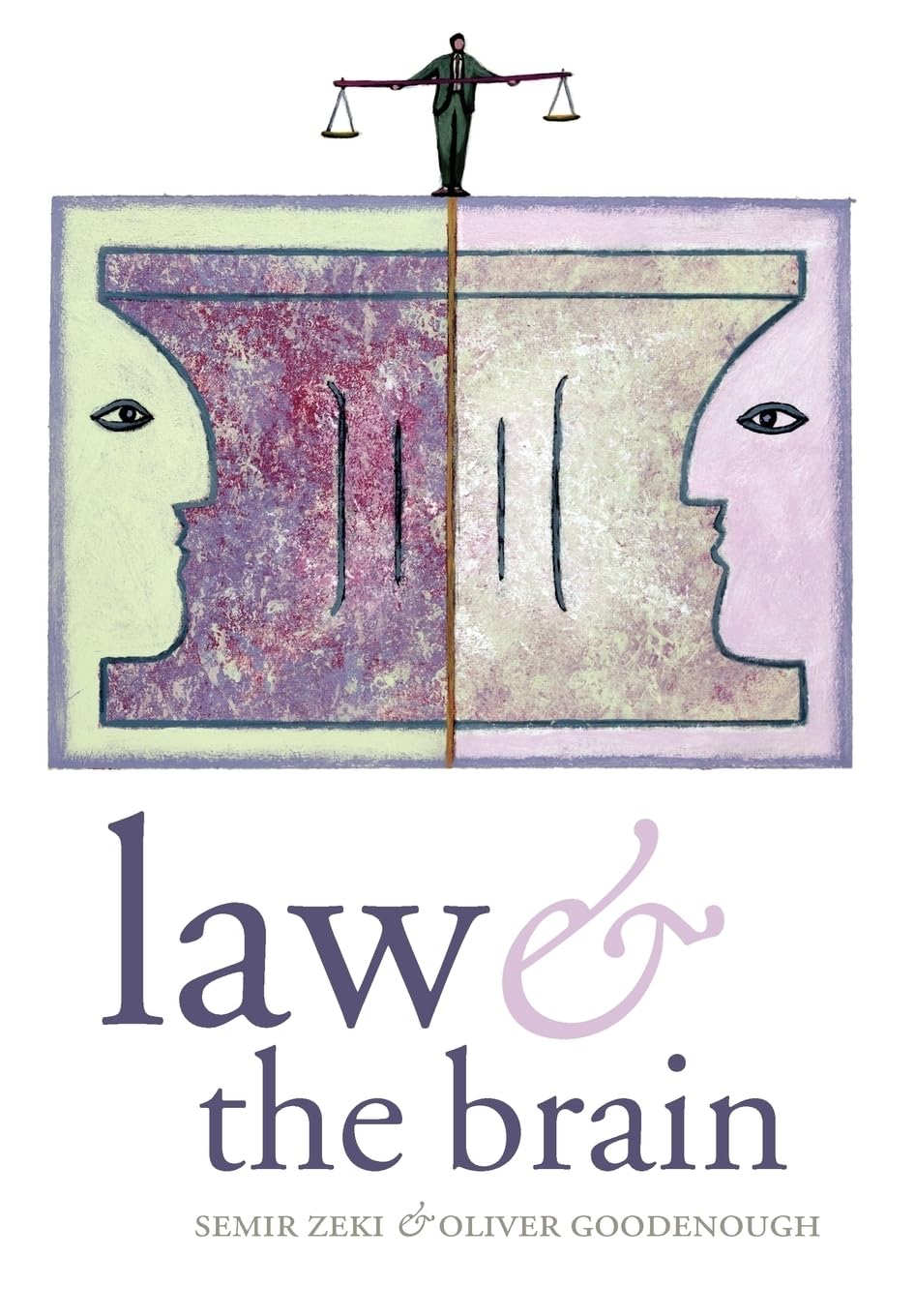
Law and the Brain is a groundbreaking exploration of how neuroscience intersects with legal principles. Authored by Semir Zeki and Oliver Goodenough, this book delves into the complexities of human behavior and decision-making, providing a fresh perspective on the legal system.
The authors present a compelling argument that understanding the brain can significantly enhance our grasp of legal concepts. By examining the neurological underpinnings of actions, Law and the Brain challenges traditional views of culpability and responsibility. This innovative approach invites readers to reconsider how laws are applied in light of scientific discoveries.
Throughout the book, Zeki and Goodenough discuss various case studies that illustrate the profound impact of neuroscience on legal outcomes. They highlight instances where neuroscience and law converge, offering insights into how brain function influences behavior and, consequently, legal judgments.
One of the key themes in Law and the Brain is the concept of free will. The authors argue that our understanding of free will must evolve as we learn more about the brain's mechanisms. This raises important questions about accountability and the justice system's role in addressing behavior that may be influenced by neurological factors.
The book also addresses the implications of neuroscience for legal practices, including how neuroscience can inform legal decisions and the potential for brain imaging to serve as evidence in court. Zeki and Goodenough explore the ethical considerations surrounding these advancements, urging caution and thorough examination before integrating such technologies into legal frameworks.
In addition to its theoretical insights, Law and the Brain is accessible to a broad audience. The authors skillfully balance complex scientific concepts with engaging narratives, making the material relatable for both legal professionals and general readers. This approach ensures that the book serves as a valuable resource for anyone interested in the intersection of law and science.
Overall, Law and the Brain is a must-read for those curious about how our understanding of the brain can reshape legal systems. It invites readers to think critically about the implications of neuroscience on justice, responsibility, and the future of law. Whether you are a legal scholar, a neuroscience enthusiast, or simply someone interested in the evolving relationship between these fields, this book offers profound insights that are sure to provoke thought and discussion.
Share