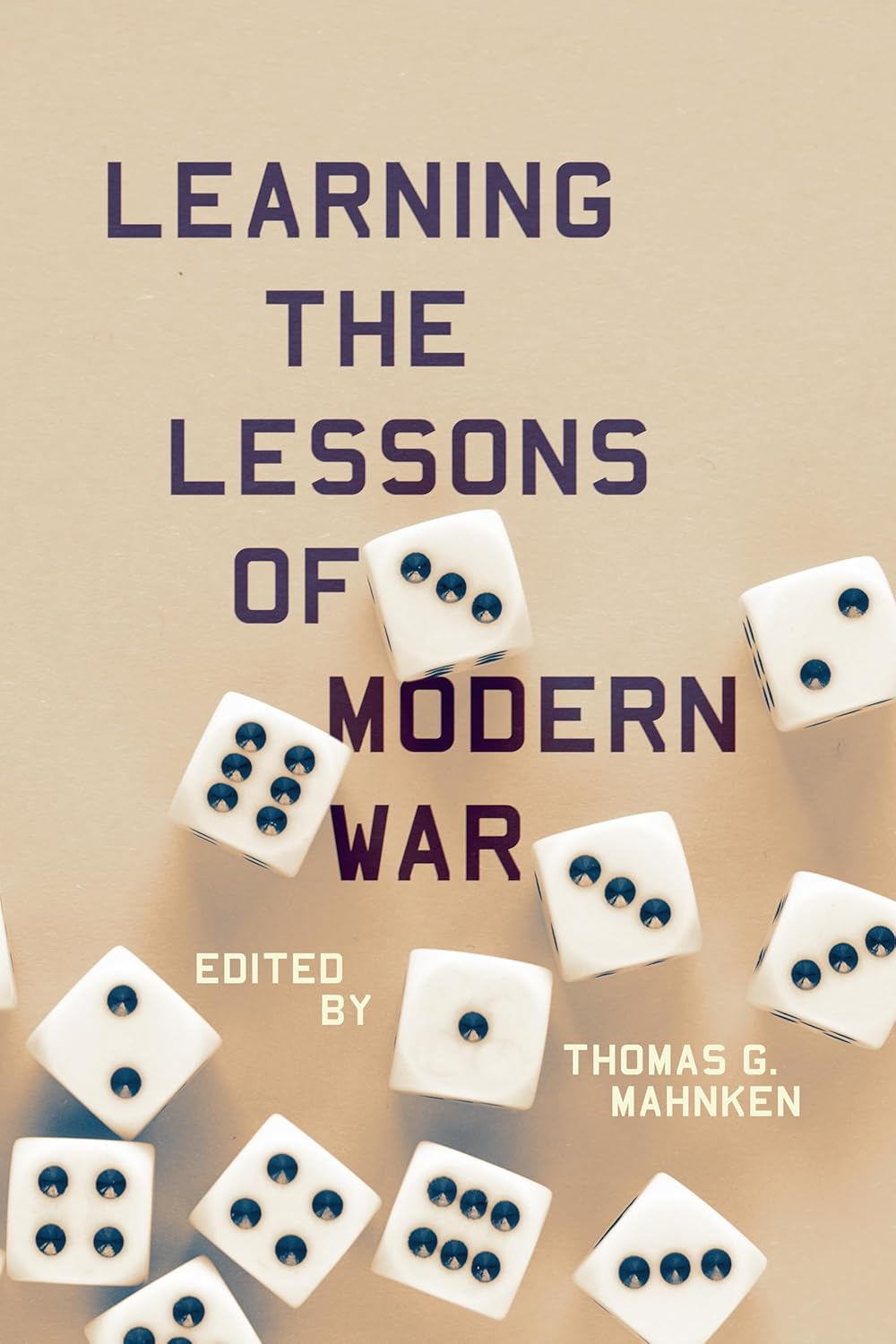
Learning the Lessons of Modern War: A Comprehensive Analysis
Learning the Lessons of Modern War: A Comprehensive Analysis
Price subject to change. Tap below for current.
Couldn't load pickup availability
Learning the Lessons of Modern War is an essential read for anyone interested in military strategy and history. This book delves into the complexities of warfare in the modern era, providing insights that are both profound and practical. The author, Thomas G. Mahnken, expertly navigates through various conflicts, offering a unique perspective on how lessons learned can shape future military engagements.
One of the standout features of this book is its focus on strategic lessons derived from real-world scenarios. Mahnken draws from a wealth of historical examples, illustrating how past conflicts inform current military practices. This approach not only enhances understanding but also equips readers with the tools to analyze contemporary issues in defense and security.
The narrative is engaging and accessible, making it suitable for both scholars and casual readers. Each chapter is meticulously crafted, ensuring that the reader remains captivated while absorbing critical information. The author's ability to present complex ideas in a digestible format is a testament to his expertise in the field of military studies.
Moreover, the book emphasizes the importance of adaptability in warfare. Mahnken argues that the ability to learn from past mistakes is crucial for any military organization. This theme resonates throughout the text, encouraging readers to reflect on how adaptability can lead to success in future conflicts.
Another significant aspect of the book is its exploration of technological advancements in modern warfare. Mahnken discusses how innovations have transformed the battlefield and the implications these changes have for military strategy. This analysis is particularly relevant in today's rapidly evolving technological landscape, where understanding the impact of new tools and tactics is essential.
In addition to strategy and technology, the book also addresses the human element of war. Mahnken highlights the importance of leadership, morale, and the psychological aspects of combat. By focusing on these elements, he provides a holistic view of what it means to engage in modern warfare, making this book a comprehensive resource.
Furthermore, the author includes a range of case studies that exemplify the principles discussed throughout the book. These real-life examples serve to reinforce the theoretical concepts, allowing readers to see how they manifest in practice. This practical application of theory is invaluable for anyone looking to deepen their understanding of military operations.
In conclusion, Learning the Lessons of Modern War is a thought-provoking and informative book that is sure to leave a lasting impression on its readers. Whether you are a military professional, a student of history, or simply someone interested in the dynamics of conflict, this book offers valuable insights that are relevant to today's world. Mahnken's expertise and engaging writing style make this work a must-read for anyone seeking to understand the complexities of modern warfare.
Share